
Plants
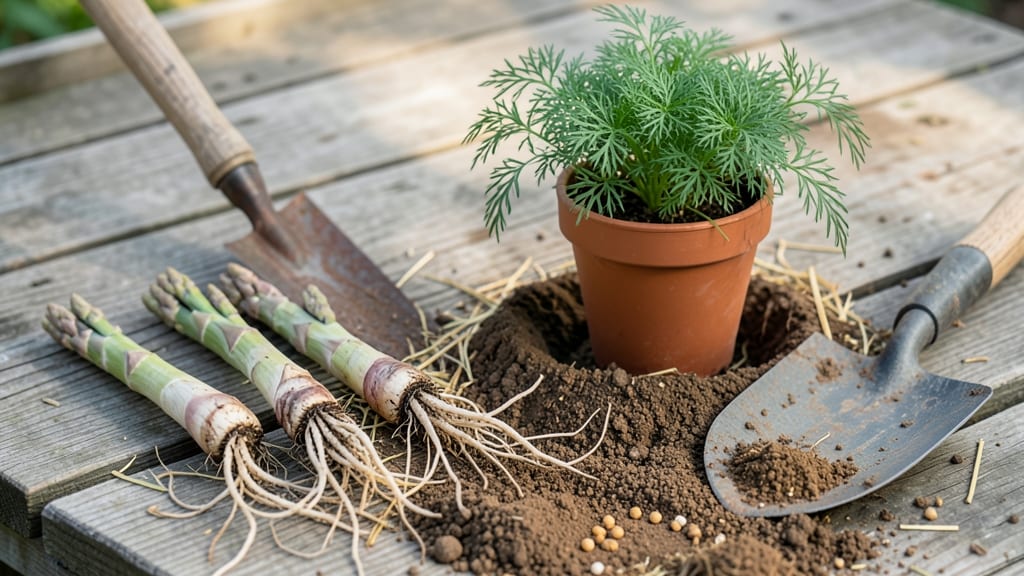
If you're wondering when to plant asparagus in Zone 8, timing is everything—get it wrong, and you risk frost damage or missed harvests. The key window is early spring (February-March) or fall (September-October), when soil temps hover between 40-50°F and frost isn't lurking.
Zone 8 gardeners know that asparagus crowns need patience—they won’t produce spears until year 2-3, but planting at the right time ensures strong roots and a bountiful future harvest.
Whether you’re in Sacramento or Atlanta, local microclimates can shift that window by weeks, so checking frost dates is your best friend.
I’ll break down the best varieties for your climate, how deep to bury those crowns, and why mulching in winter could mean the difference between thriving 🌱 asparagus and a sad, frozen mess. Let’s get those spears growing right.
Ready to plant? You’ll also learn how to avoid common mistakes—like overwatering or ignoring soil pH—that can turn your asparagus patch into a disappointment. Trust me, these tips will save you time (and frustration) down the road.
Optimal planting timeline for Zone 8 asparagus: soil temperature & frost guidelines
Planting asparagus in Zone 8 requires precision—aim for a 6-8 week window before your last frost date, typically between mid-February and mid-March for spring planting. The key isn’t just the calendar; it’s the soil temperature, which should reach 40-50°F for roots to establish without frost damage.
In Southern Zone 8 (e.g., Atlanta), you might start as early as January, while Northern Zone 8 (e.g., Sacramento) may wait until late February.
Fall planting is also viable in Zone 8, with September-October being ideal. This gives roots time to establish before winter’s mild chill. However, avoid planting too late—6-8 weeks before first frost is critical.
Use a frost date calculator for your exact location, as microclimates (e.g., coastal vs. inland) can shift timelines by 2-3 weeks.
Here’s the golden rule: Plant when soil is workable but not frozen. Stick a soil thermometer 2 inches deep—if it’s 40°F or warmer, you’re ready. In Zone 8, this usually aligns with late winter to early spring, but always verify with local USDA frost maps.
For Zone 8’s mild winters, fall planting can be a game-changer. Plant 6-8 weeks before first frost (typically late September to early October), giving roots time to establish before winter’s chill.
The advantage? Fewer weeds and better soil moisture as winter rains begin. Just ensure soil temps stay above 40°F—use a row cover if early frosts threaten.
Pro tip: Use crowns (not seeds) for Zone 8—seeds take 2-3 years longer to harvest. Choose 1-year-old crowns for faster yields. After planting, mulch heavily (3-4 inches of straw) to protect roots from frost heaves—a common issue in Zone 8’s fluctuating temps.
Monitor your asparagus bed closely in early spring. If unexpected late frosts hit (common in Northern Zone 8), cover plants with frost cloth until temps stabilize. The goal? Spear emergence by mid-March for a 6-8 week harvest window before summer heat sets in.
Remember: Patience is key. Asparagus takes 2-3 years to mature, but proper timing in Zone 8 ensures decades of harvests. Start small with 3-5 crowns, then expand based on your first year’s success.
Optimal planting timeline for Zone 8 asparagus: soil temperature & frost guidelines
In Zone 8, your asparagus planting window hinges on two critical factors: soil temperature and frost dates. Unlike cooler zones, Zone 8 offers flexibility with two ideal planting periods: early spring (February–March) or fall (September–October).
The key is waiting until the soil warms to 40–50°F—cold soil stunts root growth, while waiting too long delays your first harvest.
For spring planting, aim to get crowns in the ground 6–8 weeks before your last frost date. In most of Zone 8, this lands between mid-February and early March. Use a soil thermometer to confirm readiness—roots need warmth to establish before spears emerge.
In Southern Zone 8 (e.g., Atlanta), you might start as early as late January, while Northern Zone 8 (e.g., Sacramento) may wait until March.
Zone 8 Asparagus Planting Timeline
| Stage | Action | Soil Temp | Zone 8 Notes |
|---|---|---|---|
| Fall Planting | Plant crowns 4–6 weeks before first frost | 50–60°F | Best for Southern Zone 8; roots establish before winter |
| Spring Planting | Plant 6–8 weeks before last frost | 40–50°F | Northern Zone 8; harvest spears Year 2 |
| Avoid Planting | When soil temps drop below 40°F | N/A | Risk of root rot or stunted growth |
Fall planting is a smart strategy for Southern Zone 8 gardeners, as it allows roots to establish before mild winters. Plant 4–6 weeks before your first frost (typically September–October) when soil temps hover around 50–60°F.
This approach often yields earlier spears in Year 2 because the plant isn’t stressed by summer heat during its first growing season.
Microclimates matter! Coastal areas like San Diego (Zone 8b) may plant earlier due to milder winters, while inland cities like Atlanta (Zone 8a) should wait until soil warms.
Check your local frost dates using the Almanac’s Frost Calculator—it’s your best tool for precision. Pro tip: Mulch heavily after planting to insulate roots from temperature swings.
Once planted, patience is key. Asparagus takes 2–3 years to reach full production, but proper timing now ensures bigger yields later. In Zone 8, you’ll typically harvest March–June in Year 2, with peak production by Year 3.
The right planting window sets the stage for decades of harvests—so don’t rush it!
🌱