
Plants
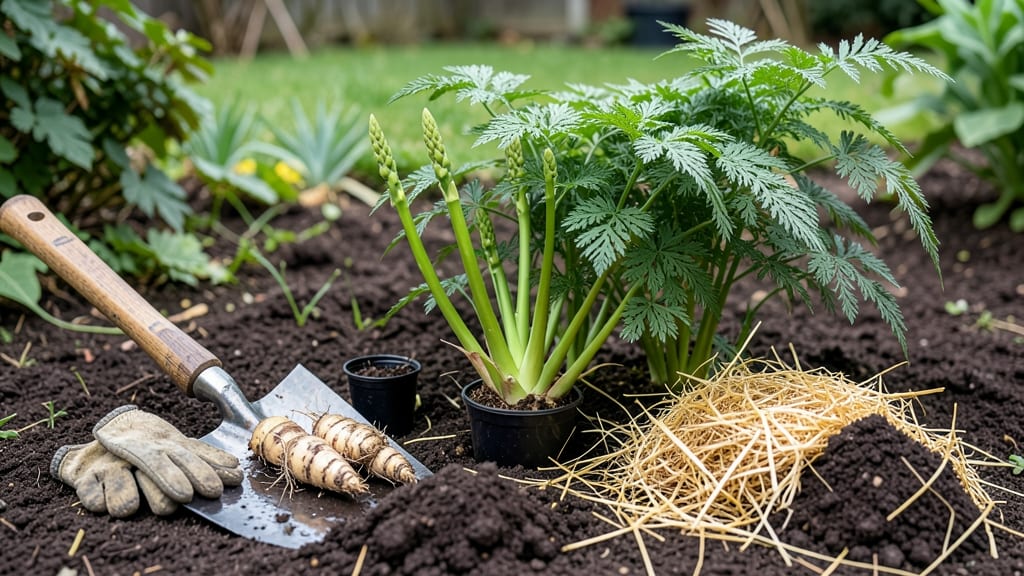
Knowing when to plant asparagus in Michigan can mean the difference between a thriving garden and wasted effort. This perennial favorite needs precise timing—too early, and frost will damage delicate crowns; too late, and roots won’t establish before winter’s chill sets in.
For Michigan gardeners in zones 5b-6b, the ideal window is narrow but critical: early spring, when soil temperatures hover between 40°F-50°F.
Why does timing matter so much? Asparagus crowns take 2-3 years to mature before producing spears, so getting them in the ground at the right moment ensures strong root development. In northern Michigan, aim for late March to early April, while southern regions can start as early as mid-March.
The key is planting after the last frost date—typically mid-April—but before the soil warms too much, which can stress young plants.
This guide breaks down the exact planting schedule for Michigan’s climate, including soil prep tips and frost protection strategies. Whether you’re a first-time gardener or a seasoned pro, these insights will help you grow asparagus that thrives for years. Let’s get those crowns in the ground the right way!
From choosing cold-hardy varieties to adjusting for Michigan’s unpredictable spring weather, we’ll cover everything you need to know. By the end, you’ll have a clear plan to start your asparagus patch with confidence—and enjoy a bountiful harvest come late spring. Ready to dig in?
Michigan asparagus planting dates by hardiness zone (with frost risk alerts)
Michigan spans USDA zones 5a-6b, meaning your asparagus planting window varies by region. In northern Michigan (5a-5b), wait until mid-April to early May when soil reaches 40°F-50°F. Southern Michigan (6a-6b) can plant as early as late March, but frost dates are your true guide.
For all zones, soil temperature matters more than calendar dates. Use a soil thermometer to confirm 40°F+ at 4-inch depth—cold soil stunts root growth. In zone 5b (Upper Peninsula), late April is safer than early attempts in March.
Here’s how frost risk affects timing: Planting too early (before last frost) risks crown rot from lingering cold. Too late (after mid-May) delays harvest by a year. Michigan’s average last frost ranges from April 15 (southern) to May 10 (northern).
Pro tip: Northern Michigan gardeners should use frost cloth for 2-3 weeks post-planting if nights dip below 30°F. Southern Michigan’s milder winters often allow earlier planting without protection.
For Michigan’s variable climate, check the National Weather Service’s frost predictions 1-2 weeks before planting. In zone 5a, planting in May delays first harvest by a year, but ensures survival. Southern zones can safely plant by mid-March if soil warms quickly.
Asparagus crowns need 60-90 days to establish roots before winter. Planting in April (even in southern Michigan) gives roots time to anchor before first frost (mid-October). Late plantings in May risk stunted growth and reduced yields next year.
Use crowns (not seeds) for Michigan’s climate—seeds take 2-3 years longer to produce spears. Choose Mary Washington or Jersey Knight varieties for cold tolerance. Plant 12-18 inches apart in 8-inch-deep trenches to accommodate root spread.
After planting, mulch with 4 inches of straw to insulate roots. In northern Michigan, add 6 inches of mulch for extra frost protection. Monitor soil moisture—dry spells in May can stress young crowns.
Remember: Patience is key. Asparagus won’t harvest until year 3, but proper planting timing ensures decades of low-maintenance yields. Michigan’s long growing season (165 frost-free days) rewards gardeners who nail the spring window.
Michigan asparagus planting dates by hardiness zone (with frost risk alerts)
Michigan spans USDA zones 5a-6b, and your planting window shifts depending on whether you’re in northern or southern Michigan. For zone 5b (Upper Peninsula, northern Lower Peninsula), aim for late March to early April—after the last frost but before soil warms past 50°F.
In zone 6a-6b (southern Michigan), you can start as early as mid-March, but monitor soil temps closely.
Asparagus crowns need 40°F-50°F soil temperatures to thrive. Use a soil thermometer to check—planting too early in cold soil stresses roots. In northern Michigan, wait until soil reaches 45°F+ consistently. Southern regions can plant earlier, but frost risks linger until mid-April.
Here’s your zone-by-zone planting timeline with frost risk alerts:
| Zone | Ideal Planting Window | Soil Temp Threshold | Last Frost Risk | Frost Protection Tip |
|---|---|---|---|---|
| 5a (UP) | Late April - Early May | 45°F+ | High (May 15) | Use row covers for early planting |
| 5b (North) | Late March - Early April | 40°F+ | Moderate (April 15) | Plant near windbreaks |
| 6a (Central) | Mid-March - Late March | 45°F+ | Low (April 1) | Mulch heavily after planting |
| 6b (South) | Early March - Mid-March | 50°F+ | Very Low (March 20) | No protection needed |
For northern Michigan gardeners, planting in late April reduces frost risk but delays harvest. Southern Michigan can start earlier, but soil temperature is more critical than calendar dates. Use cold-hardy varieties like ‘Jersey Knight’ or ‘Purple Passion’ for northern zones—they tolerate cooler soils better.
Pro tip: If frost threatens after planting, cover crowns with straw mulch (4-6 inches) to insulate roots. This buys time for root establishment before winter dormancy. In zone 5a, consider waiting until late April to avoid early-season frost damage entirely.
Remember, asparagus is a perennial investment—proper planting timing ensures your patch thrives for 15+ years. Mark your calendar now and start prepping soil to hit those ideal windows!