
Plants
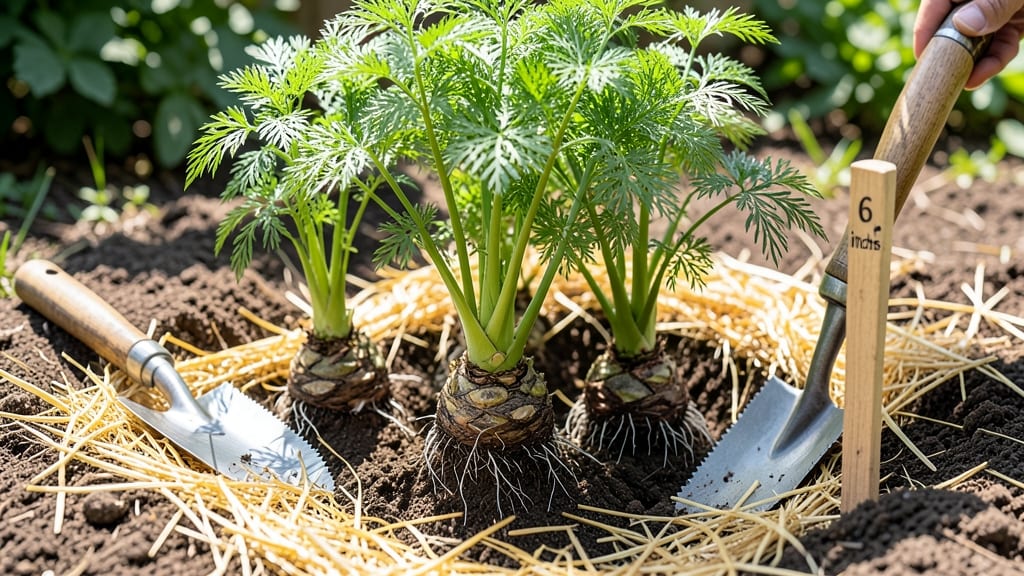
Planting asparagus in Seattle might seem tricky with its unpredictable spring weather, but getting the timing right is the key to a bountiful harvest. The ideal window—late February through early April—aligns perfectly with the city’s USDA Zone 8a climate, where frost typically lingers until mid-March.
Why does this matter? Asparagus crowns need consistent soil temperatures above 50°F to thrive, and Seattle’s rainy season can delay warming. Whether you’re planting in the Eastside’s milder microclimate or the Westside’s cooler coastal zones, understanding these nuances makes all the difference.
I’ll break down exactly when to plant based on your local frost dates, how to prep soil for well-drained growth, and whether crowns or seeds work best in Seattle’s short growing season. No more guesswork—just a foolproof plan for your 🌱 asparagus patch.
Ready to skip the trial-and-error? Let’s dive into the perfect planting window for your Seattle garden, so you can enjoy fresh spears by next summer.
Seattle’s ideal asparagus planting dates by microclimate
Seattle’s cool, wet springs and variable frost dates make timing your asparagus planting critical. Plant too early, and a late frost will kill tender crowns. Plant too late, and your harvest window shrinks.
The ideal frost-free window for Seattle spans from late February to early April, but your exact timing depends on your microclimate.
Seattle’s geography creates distinct planting zones: the Westside (cooler, wetter), Eastside (warmer, drier), and South Sound (hotter summers). Each requires slight adjustments to avoid frost damage or stunted growth.
For example, West Seattle may need to wait until mid-March for safer planting, while Redmond or Kirkland can start as early as late February.
Soil temperature is just as important as air temperature. Asparagus crowns need soil that’s at least 40°F (4°C)—warmer is better. Use a soil thermometer to check depth (4-6 inches down).
In Seattle, soil warms gradually, so late February plantings often succeed only in sheltered microclimates like urban heat islands or south-facing slopes.
Historical frost data shows Seattle’s last spring frost typically occurs around March 15, but this varies yearly. The USDA Zone 8a classification is a starting point, but your local weather patterns matter more.
For instance, Snoqualmie Pass areas can experience frost well into May, while Tacoma often sees warmer soil earlier.
Here’s how to align your planting with Seattle’s three key microclimates and their unique frost risks:
Pro tip: Check the National Weather Service’s Seattle forecast for 10-day soil temperature trends before planting. Websites like Meteorological Service of Canada also provide localized frost predictions.
If you’re unsure, err on the side of planting later—asparagus crowns can handle brief cold snaps better than they can handle soggy, cold soil.
Another Seattle-specific challenge is rainfall timing. Planting in February means dealing with winter rains, which can compact soil and delay root establishment. Amend your beds with compost and coarse sand to improve drainage. If your soil stays waterlogged, wait until April when rains typically taper off.
For urban gardeners, microclimates within city blocks can differ dramatically. A south-facing balcony in Fremont might warm up faster than a shady backyard in Magnolia. Use black plastic mulch or row covers to warm soil by 5-10°F if you’re planting early.
These tools are especially useful for container-grown asparagus, which heats up more slowly than in-ground plantings.
Remember: Asparagus is a perennial investment. Crowns planted in early April may produce spears in Year 2, but those planted in late February in a warm microclimate could yield sooner. Balance risk and reward based on your patience and local conditions.
Finally, mark your calendar for June 1—this is Seattle’s unofficial last safe harvest date before summer dormancy sets in. Planting too late risks a smaller first-year harvest or none at all. But with the right timing, you’ll enjoy fresh asparagus for decades.
Seattle’s ideal asparagus planting dates by microclimate
Seattle’s microclimates create unique challenges for asparagus growers. The Puget Sound region spans USDA Zone 8a, but Eastside areas like Bellevue often warm faster than Westside neighborhoods near Puget Sound. Understanding these differences helps you avoid late frost damage or overly wet soil—both common pitfalls in Seattle.
For Westside Seattle (e.g., Ballard, Fremont), aim to plant crowns between late February and early March when soil temperatures reach 50°F (10°C).
The last average frost date here is March 15, but cold snaps can linger until early April. Eastside areas like Redmond or Kirkland typically have 2-3 weeks earlier frost-free windows, allowing planting as early as mid-February.
🌱
| Microclimate | Ideal Planting Window | Soil Temp Threshold | Key Risk |
|---|---|---|---|
| Westside (Ballard, Fremont) | Late February - Early March | 50°F (10°C) | Late frost (after March 15) |
| Eastside (Bellevue, Kirkland) | Mid-February - Late February | 48°F (9°C) | Dry spells in early spring |
| South Sound (Tacoma, Olympia) | Early March - Mid-March | 52°F (11°C) | Cooler, wetter soils |
🌡️ Use a soil thermometer to verify readiness!
Seattle’s rainy season adds complexity. Planting too early in Westside gardens risks waterlogged soil, while Eastside gardeners may face dry spells if planting in late March.
Always amend soil with compost to improve drainage—Seattle’s clay-heavy soils need this prep. Urban gardeners should also note that container-grown asparagus warms faster and can be planted 1-2 weeks earlier than in-ground varieties.
Pro tip: Test soil moisture before planting. If your garden feels soggy after rain, wait until the top 6 inches dry out. Use a moisture meter or the "squeeze test"—if soil clumps when pressed, it’s too wet. Asparagus crowns rot quickly in saturated conditions, so timing is everything.
💧
Once planted, mulch heavily with straw or wood chips to regulate soil temperature. This helps protect young roots from temperature swings common in Seattle’s spring transitions. Remember: Year 1 yields nothing—focus on establishing roots. Year 2 is when you’ll see your first harvest, typically June-July if planted correctly.