
Plants
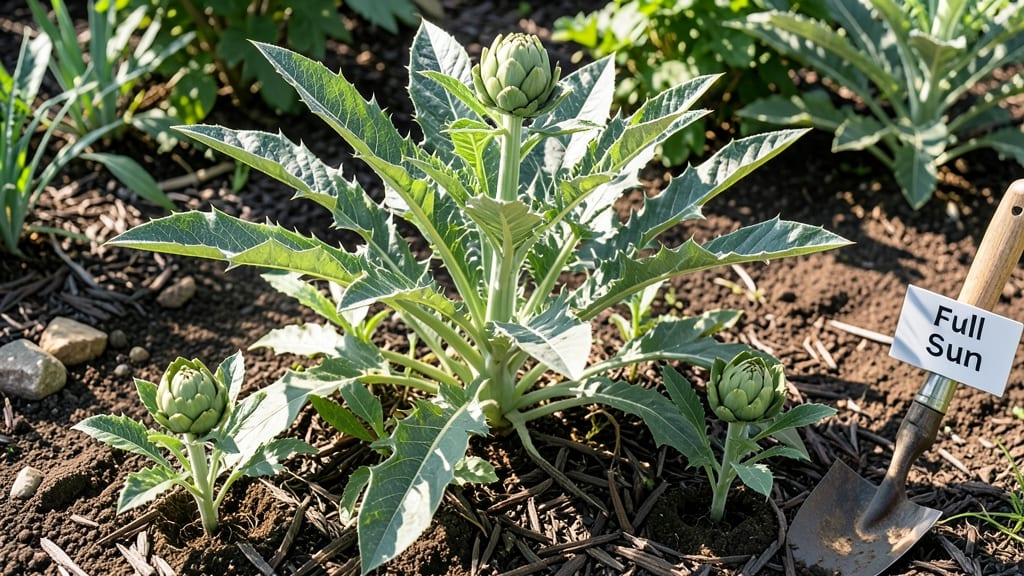
If you’ve ever dreamed of growing crisp, tender artichokes in your Texas garden, when to plant artichokes in Texas is the first question—and getting it wrong could mean wilted dreams before summer even arrives.
The key to success lies in planting these frost-sensitive 🌱 beauties just right, whether you’re in North Texas’s chilly Zone 8a or South Texas’s balmy Zone 10b. Skip the guesswork and plant at the perfect moment, and you’ll be harvesting plump, flavorful buds by spring.
Here’s the deal: North Texas gardeners should get their artichokes in the ground between late January and early March, while South Texas growers have a longer window—October to November. Why the difference?
It all comes down to avoiding frost (which artichokes despise) while giving roots time to establish before the Texas heat kicks in. With the right timing, you’ll beat the 210+ frost-free days of North Texas or the 300+ days of South Texas like a pro.
But timing isn’t just about months—it’s about soil, shade, and even the variety you choose. Some artichokes handle Texas heat better than others, and a little extra care (like mulching or shade cloth) can mean the difference between a thriving plant and a sad, bolting disappointment.
Let’s break down exactly how to plant for a harvest that’ll make your neighbors jealous.
Ready to turn your backyard into an artichoke oasis? I’ll walk you through the step-by-step process, from picking the best spot to keeping your plants happy through Texas’s wild swings from frost to 100°F afternoons. Spoiler: It’s easier than you think—and the payoff is worth every minute.
Best months to plant artichokes in Texas for frost-free growth
Texas’s diverse climate means artichokes thrive in different planting windows depending on where you live. In North Texas (Zones 8a-8b), the last frost typically hits around February 15, so aim to plant 6-8 weeks before—that’s late December to early January.
But wait! Artichokes are perennials, and Texas’s heat can stress young plants, so many gardeners opt for fall planting instead.
For South Texas (Zones 9a-10b), frost is rare, but the real challenge is summer heat. Plant October to November to give roots time to establish before 100°F+ temperatures arrive. This timing also avoids bolting (premature flowering) caused by heat stress.
Soil temperature is critical—artichokes need 60°F+ soil to germinate. In North Texas, this usually means waiting until March, while South Texas gardeners can start as early as September. Use a soil thermometer to confirm before planting.
Here’s the key: North Texas gardeners should plant late January to early March, while South Texas gardeners can start October to November. The goal? Avoid frost and extreme heat—both can kill young plants.
| Texas Region | Best Planting Window | Last Frost Date | Soil Temp Threshold |
|---|---|---|---|
| North Texas (Zones 8a-8b) | Late January - Early March | February 15 | 60°F+ |
| South Texas (Zones 9a-10b) | October - November | December 15 (rare) | 65°F+ |
| Central Texas (Zone 8b) | Late February - Early March | February 20 | 62°F+ |
🌱 Pro Tip: Use row covers if planting early in North Texas to protect from late frosts.
If you’re in Central Texas (Zone 8b), your window is late February to early March. This balances frost risk with soil warming trends. For example, Austin gardeners often plant in early March to avoid 32°F nights that can damage seedlings.
Another trick? Start seeds indoors 8-10 weeks before your target planting date. This gives you a head start on soil warming and ensures robust transplants. Use grow lights to simulate long days—artichokes need 12+ hours of light daily for strong growth.
Don’t forget microclimates. A garden near a south-facing wall or under a shade tree may warm up faster than the rest of your yard. Test your spot with a minimum-maximum thermometer for 3-5 days to confirm it meets the 60°F+ soil temp requirement.
Finally, avoid planting in summer—Texas heat causes bolting (flowering without buds) or stunted growth. Instead, focus on fall or early spring plantings. With the right timing, you’ll harvest plump, tender artichokes by summer’s end.
Ready to plant? Grab your garden gloves and mark your calendar—Texas artichoke season starts now! 🌿
Best months to plant artichokes in Texas for frost-free growth
Texas’s diverse climate zones mean your artichoke planting window depends on whether you’re in North Texas (Zone 8a-8b) or South Texas (Zone 9a-10b). For North Texas, aim to plant 4-6 weeks before the last frost—typically between late January and early March.
South Texas gardeners have more flexibility, with October to November being ideal, thanks to milder winters and longer frost-free seasons.
Why the difference? Artichokes are frost-sensitive 🌱 and need soil temperatures above 60°F to germinate. Planting too early in North Texas risks frost damage, while waiting too late in South Texas may lead to heat stress before roots establish.
The goal is to give your plants a 6-8 week head start before Texas’s infamous summer heat arrives.
Here’s the breakdown: In North Texas, your last frost date is around February 15, so planting in late January ensures roots establish before 100°F+ days hit.
In South Texas, where frost is rare after December 15, October plantings give you a 300+ frost-free day advantage for extended harvests.
| Region | USDA Zone | Planting Window | Last Frost Date | Key Consideration |
|---|---|---|---|---|
| North Texas | 8a-8b | Late January - Early March | February 15 | Avoid early frost; soil must warm to 60°F+ |
| South Texas | 9a-10b | October - November | December 15 (rare frost) | Longer growing season; prioritize heat tolerance |
For both regions, soil preparation is non-negotiable. Artichokes thrive in well-draining, slightly acidic soil (pH 6.0-7.0). Amend heavy clay soils with compost or sand to prevent root rot, and choose a sunny spot with at least 6-8 hours of light.
In North Texas, mulch with straw or wood chips to retain moisture during dry spells, while South Texas growers should focus on shade cloth to protect young plants from intense afternoon sun.
Pro tip: Start seeds indoors 8-10 weeks before transplanting if your local nursery doesn’t carry artichoke starts. This gives you an edge, especially in North Texas, where shorter seasons demand early starts. Harden off seedlings for 7-10 days before moving them outdoors to avoid transplant shock.
Once planted, consistency is key. Artichokes are heavy feeders and need regular watering (1-2 inches per week), especially during bud formation. In Texas’s dry heat, morning watering prevents fungal issues, and a 3-inch layer of mulch keeps roots cool.
With the right timing and care, you’ll be harvesting plump, edible buds by late spring—just in time for your first artichoke festival!