
Trees
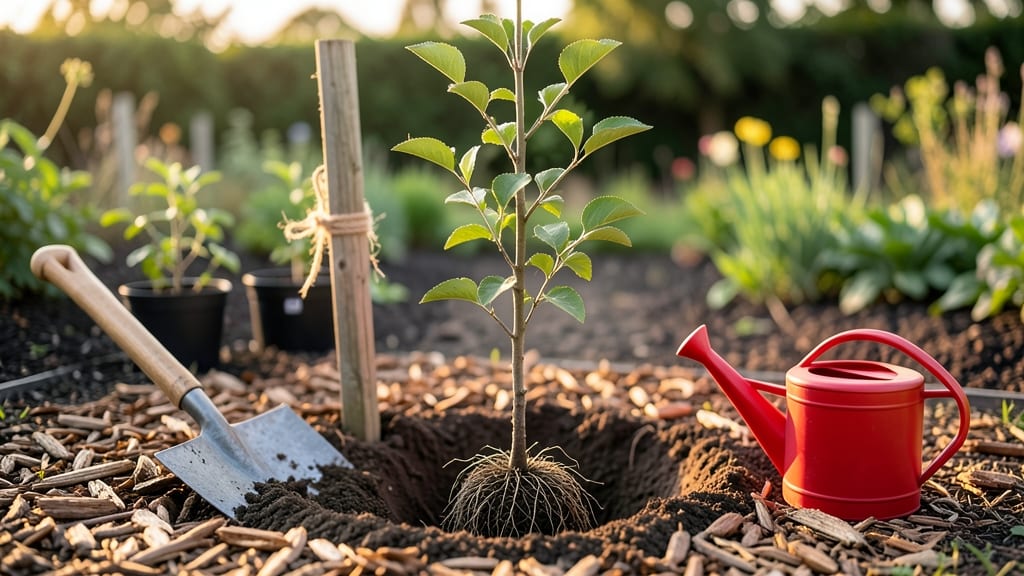
Planting apple trees in South Carolina at the wrong time can mean the difference between a thriving orchard and years of disappointment. With our mild winters and unpredictable springs, timing is everything—especially when matching your 🍎 tree’s chill-hour needs to your local microclimate.
Most gardeners in zones 7a-8b assume spring is the only option, but late winter (February–March) gives roots time to establish before summer heat arrives. This is your secret weapon for avoiding frost damage and ensuring strong growth from day one.
In this guide, I’ll break down the exact months that work best for your area, which apple varieties thrive in SC’s climate, and how to protect young trees from those sneaky late frosts.
Whether you’re a first-time grower or looking to expand your orchard, these tips will set you up for success.
Ready to plant with confidence? Let’s get your apple trees off to the right start—no guesswork required.
Best planting months for apple trees in SC based on chill-hours
South Carolina’s humid subtropical climate (USDA zones 7a-8b) creates unique challenges for growing apple trees. Unlike northern states, SC’s mild winters mean most traditional apple varieties won’t get enough chill-hours—the cold winter hours needed to trigger blooming.
The key? Planting low-chill varieties (300–600 hours) in the dormant season (November–February) when soil temps drop below 40°F.
Your planting window hinges on two factors: chill-hour accumulation and frost risk. In SC, the safest months are November through February, when trees establish roots before spring growth.
Avoid planting in March or April—late frosts (common until mid-March) can damage new shoots, even if your variety is chill-hour compatible.
Pro Tip: Use the USDA Plant Hardiness Zone Map combined with SC-specific chill-hour data (from Clemson Extension) to pinpoint your exact zone. For example, Charleston (Zone 8a) needs 300–400 chill-hours, while Greenville (Zone 7b) can handle up to 600–700 hours. Mismatch these, and your tree may bloom but fail to fruit.
For bare-root trees, November–February is ideal because roots establish before spring growth. Container-grown trees can go in throughout the year as long as soil is workable (not frozen or waterlogged). January is my top pick—soil is cool, frost risk is low, and chill-hours are accumulating steadily.
If you’re in Zone 8a (coastal SC), prioritize varieties needing 300–400 chill-hours like ‘Anna’ or ‘Dorsett Golden’.
In Zone 7b (Upstate), you can stretch to 500–600 hours with ‘Ein Shemer’ or ‘GoldRush’. Never plant high-chill varieties (e.g., ‘Fuji’ or ‘Gala’) unless you’re in a microclimate with extra cold snaps.
After planting, mulch heavily (4–6 inches of wood chips) to insulate roots from temperature swings. In SC’s unpredictable climate, even a single 28°F night in March can kill new shoots. Pair this with a south-facing slope or urban heat island to extend your growing season by 1–2 weeks.
For real-time updates, check Clemson Extension’s SC Weather Network or use the USDA Chill-Hour Calculator. These tools let you input your ZIP code and see exactly when your area hits the optimal 300–600 chill-hour window—critical for avoiding bloom failure.
Remember: Timing is everything. Plant too early, and roots may rot in cold soil. Plant too late, and your tree won’t establish before spring heat arrives. Aim for January for the best balance of chill-hours, low frost risk, and root establishment.
Best planting months for apple trees in SC based on chill-hours
South Carolina’s humid subtropical climate means apple trees need careful timing to thrive. The ideal planting window is November through February, when trees are dormant and soil is workable but not frozen. This aligns with chill-hour requirements (300–900 hours), critical for fruit production.
Most SC regions fall in USDA Zones 7a–8b, where winters are mild but still provide enough chill hours for cold-hardy varieties. For example, Zone 7a (Upstate) averages 600–800 chill hours, while Zone 8a (Coastal) gets 300–500 hours. Matching your zone to the right variety ensures success.
🌱 SC Apple Tree Planting Guide by Chill-Hours
| Zone & Chill Hours | Best Planting Month | Soil Prep Tip | Frost Risk |
|---|---|---|---|
| Zone 7a (600–800 hrs) | November–January | Amend with compost for drainage | Low (late March) |
| Zone 7b (500–700 hrs) | December–February | Test pH (6.0–7.0) | Moderate (early April) |
| Zone 8a (300–500 hrs) | January–February | Use raised beds for warmth | High (late April) |
🌡️ Pro Tip: Verify your chill hours using the USDA Chill Hour Map or SC State Climate Office.
Planting in late winter (February–March) gives roots time to establish before spring growth. Avoid planting in summer or fall, as hot soil or early frosts can stress young trees. Bare-root trees planted in November–December benefit from winter rains, while container-grown trees can go in until early March.
For Zone 8b (Coastal SC), where chill hours are limited (<300), choose low-chill varieties like ‘Anna’ or ‘Dorsett Golden.’ These thrive with minimal winter chill but still produce sweet fruit. In contrast, Upstate SC (Zone 7a) can support traditional varieties like ‘Gala’ or ‘Fuji’ with proper chill-hour matching.
After planting, mulch heavily (4–6 inches) to retain moisture and regulate soil temperature. Water deeply once a week for the first month, then taper to every 10–14 days once established. This routine reduces transplant shock and encourages strong root growth before the first frost.
🌱 Key Takeaway: Align your planting month with chill-hour needs and local frost dates—this is the secret to thriving apple trees in SC’s unpredictable climate.