
Trees
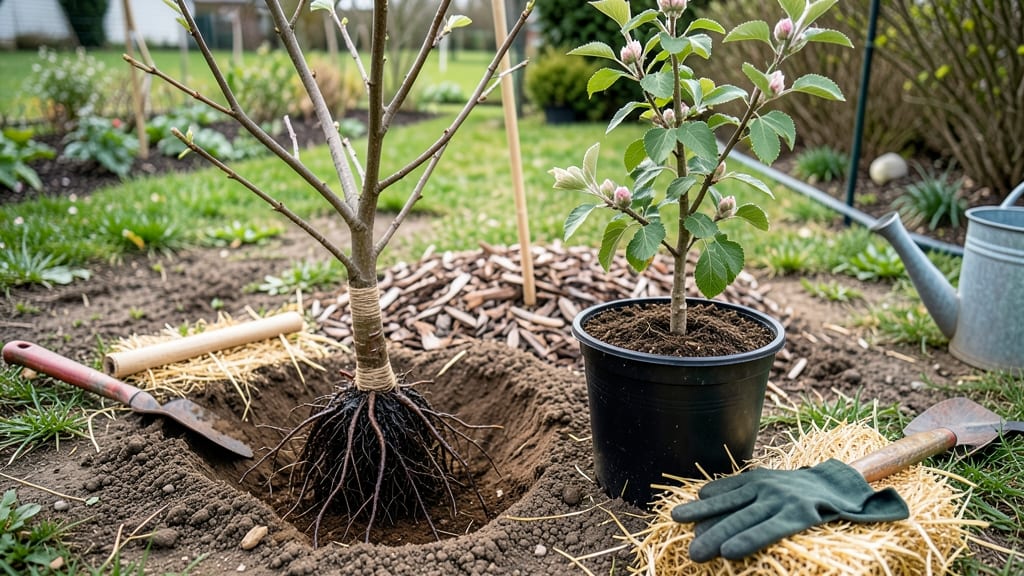
Timing is everything when it comes to planting 🍎 apple trees in Maine, and getting it wrong could mean the difference between a thriving orchard and a sad, stunted sapling.
The state’s unpredictable frost dates and short growing season demand precision—plant too early, and your young tree might not survive the cold; too late, and it won’t establish strong roots before winter hits.
Most gardeners in USDA Zones 5b-6b swear by early spring planting (April to early May) for bare-root trees, when the soil warms enough to encourage root growth without risking frost damage.
But container-grown trees offer a second chance in early fall (September), giving roots time to settle before the ground freezes. The key is knowing your last frost date—Maine’s average of May 10 is your deadline for spring planting.
Why does this matter? Because an apple tree planted at the right time will reward you with years of fruit, while one planted too late or too early struggles to thrive.
I’ll walk you through the exact steps to time your planting perfectly, from soil prep to frost-proofing, so you can avoid common mistakes and set your orchard up for success.
Whether you’re a first-time gardener or a seasoned orchardist, these Maine-specific tips will help you plant with confidence. Let’s get your 🍎 apple trees off to the best possible start—because in Maine, timing isn’t just important, it’s everything.
Best planting months for apple trees in Maine’s hardiness Zones
Maine’s USDA Zones 3–5 mean apple trees face short growing seasons and unpredictable frosts. Timing your planting right—whether bare-root or container-grown—directly impacts root establishment and winter survival. The optimal window shifts based on your region’s frost dates and soil conditions.
For bare-root trees, April to early May is ideal. This gives roots 6–8 weeks to establish before winter dormancy. If you miss this, September offers a second chance for container-grown trees, as cooler fall temps reduce transplant shock.
Coastal Maine (e.g., Portland) enjoys warmer microclimates with later frosts, while inland areas (e.g., Bangor) may need to plant 2–3 weeks earlier to avoid spring frost damage. Always check your last frost date—typically mid-May in most of Maine.
Here’s how planting timing breaks down by tree type and zone:
| Tree Type | Best Planting Month | Soil Temp Requirement | Notes for Maine |
|---|---|---|---|
| Bare-Root | April–Early May | 40°F+ | Plant before buds swell; soak roots overnight. |
| Container-Grown | September | 50°F+ | Avoid late summer heat; mulch heavily. |
| Dwarf Rootstock | April–June | 40°F+ | Smaller root systems establish faster; ideal for small orchards. |
Maine’s acidic soils (pH 4.5–5.5) can stunt root growth if not amended. Before planting, mix in lime or compost to raise pH to 6.0–7.0. Test your soil in early spring—local UMaine Extension offices offer free kits.
If you plant in fall, focus on container-grown trees only. Bare-root trees planted after September 15 risk winter heaving—when freezing/thawing cycles lift roots. For these, water deeply before the first frost and mulch with 6 inches of straw.
Pro tip: Label your trees immediately with variety and planting date. Maine’s ‘McIntosh’ and ‘Cortland’ varieties thrive when planted in early spring, but ‘Honeycrisp’ (less cold-hardy) needs warmer microclimates or protection.
Remember: Root establishment in the first year determines long-term success. A tree planted in April will outperform one planted in June by 30–50% in Maine’s climate. Don’t rush—patience pays off with healthier trees and better yields.
🌱
How soil temperature and frost dates affect apple tree success
Maine’s short growing season and unpredictable frost patterns make soil temperature and frost dates the most critical factors for apple tree success. Planting too early risks frost damage to tender roots, while waiting too long can stunt root establishment before winter dormancy.
Understanding these thresholds ensures your tree thrives from day one.
For bare-root apple trees, the ideal soil temperature should be at least 40°F (4°C) and rising. This typically aligns with late April to early May in most of Maine, though coastal areas like Portland may see slightly earlier conditions.
Inland regions like Presque Isle often need to wait until mid-May to avoid frost risks.
Container-grown apple trees offer more flexibility, allowing fall planting (late September to early October) when soil is still warm enough for root establishment. However, avoid planting when frost is forecasted within 2 weeks, as young roots won’t have time to harden off before winter.
- Soil Temp: 40°F (4°C) minimum for planting bare-root trees. Use a soil thermometer to confirm—cold soil delays root growth.
- Last Frost Date: Coastal Maine averages May 10, while inland areas like Bangor may see frost until May 25. Check local almanacs for your exact zone.
- First Frost: Typically arrives by October 10 in most of Maine. Plant container-grown trees 6+ weeks before this date to allow root establishment.
- Microclimates Matter: South-facing slopes warm up 1–2 weeks earlier than north-facing sites. Use this to your advantage for early spring planting.
- Frost Protection: If planting in late May, have row covers or frost cloth ready for unexpected cold snaps during the first growing season.
Maine’s coastal vs. inland microclimates create dramatic differences in frost timing. For example, Bar Harbor may see 2–3 weeks earlier last-frost dates than Augusta. Always verify with USDA Plant Hardiness Zone maps (Maine spans Zones 3–5) and consult local extension offices for hyper-local advice.
Pro tip: Test your soil’s warmth before planting. Stick your finger 6 inches deep—if it feels cooler than your wrist, wait a few days. Mulch heavily after planting to insulate roots from temperature swings, especially in Zone 4 areas where winters are harsher.
Timing isn’t just about frost—it’s also about root flush. Apple trees planted in early spring (before buds swell) prioritize root growth over foliage, giving them a 30–50% stronger start than summer-planted trees. This head start translates to earlier fruiting and higher yields in years 3–5.