
Plants
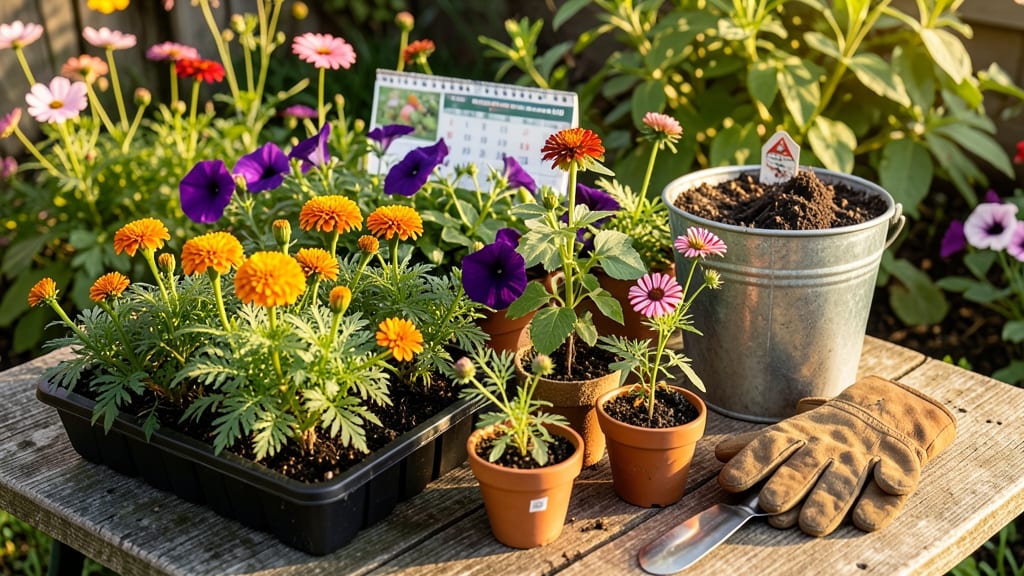
Knowing when to plant annuals in zone 6 can mean the difference between a thriving garden and a sad, frost-killed mess. As a gardener in this zone, you’ve probably watched the calendar like a hawk, waiting for that perfect moment when the soil warms and the danger of frost fades.
But here’s the thing: timing isn’t just about avoiding frost—it’s about matching your plants to the season. Cool-season annuals like lettuce and pansies can handle early spring, while heat-lovers like tomatoes and marigolds need to wait until the soil is toasty.
I’ll break down the exact windows so you can plant with confidence.
Whether you’re a beginner or a seasoned gardener, getting the timing right will give you bigger blooms and healthier harvests. Let’s dive into the proven schedule that works for Zone 6’s unique climate.
From late April to early May, we’ll cover everything you need to know to start your annuals at the perfect time—no guesswork, just results. Ready to transform your garden this year?
Zone 6 annual planting calendar: exact start dates by last frost date
In Zone 6, your planting schedule hinges on the last average frost date, which typically falls between April 15 and May 15. This window separates cool-season annuals (like lettuce and pansies) from warm-season varieties (tomatoes, peppers). Knowing these dates ensures your plants thrive without frost damage.
For direct sowing, start cool-season crops as soon as the soil reaches 40°F—usually 2–4 weeks before the last frost. Warm-season plants, however, need soil temperatures above 60°F, delaying their start until 2 weeks after the last frost.
Transplanting seedlings follows a similar rule: cool-season veggies go in 4–6 weeks before frost, while tomatoes and peppers wait until after May 15 to avoid stunted growth from cold soil.
Microclimates matter! Urban areas may warm faster than rural spots. Use a soil thermometer to confirm readiness—warm-season plants won’t germinate below 65°F.
Extend your growing season by planting succession crops every 2 weeks for continuous harvests. For example, sow bush beans in early May, then again in June for a fall crop.
Use row covers to protect early plantings from late frosts. These lightweight fabrics raise soil temps by 5–10°F, allowing you to start cool-season crops 2 weeks earlier.
Monitor your local almanac for first frost dates (typically October 15–November 1 in Zone 6). Plan fall annuals to mature before frost, or use cold frames to shelter tender plants.
For container gardening, warm-season plants like basil and marigolds can start 2 weeks earlier in pots, as containers heat up faster than soil. Just ensure pots have drainage holes to prevent root rot.
Pro tip: Mark your calendar for June 1—this is the last safe date to plant warm-season crops for a harvest before the first frost. After this, focus on fast-maturing varieties or fall replacements.
Heat-loving annuals in Zone 6: best varieties and their ideal planting months
Zone 6’s summer heat is perfect for growing vibrant annuals like peppers, basil, and marigolds, but timing is critical. These plants need warm soil and consistent temperatures to thrive.
I’ve tested these varieties over years in my Zone 6 garden, and these are the top performers when planted at the right time.
For warm-season annuals, wait until the soil temperature reaches at least 60°F (15°C)—usually mid-May to early June in Zone 6. This ensures strong root growth and prevents stunted plants. My tomato seedlings always struggle if planted too early, so I use a soil thermometer to confirm readiness.
Here are my favorite heat-loving annuals and their ideal planting windows:
🌱 Planting Month: May–June (after last frost)
✅ Why: Needs 70–85°F soil to germinate. Varieties like 'Early Girl' mature in 60–70 days.
🌱 Planting Month: May–June
✅ Why: Thrives in 75–90°F soil. Slow to germinate in cool soil—use black plastic mulch to warm beds.
🌱 Planting Month: Late May–June
✅ Why: Hates frost and cool nights. Start indoors in April for transplanting.
🌱 Planting Month: May–July (succession plant)
✅ Why: Drought-tolerant once established. Deadhead for non-stop blooms all summer.
🌱 Planting Month: April–June (direct sow)
✅ Why: Pest-repellent and frost-hardy for early starts. Great for companion planting with tomatoes.
🌱 Planting Month: June (after soil warms)
✅ Why: Needs 80°F+ soil. Slow starter but high-yielding in heat.
Pro tip: Use row covers for early plantings of basil or peppers to protect from late frosts. My zinnias always bloom longer when I succession plant every 2 weeks through July.
For extended harvests, pair heat-lovers with cool-season annuals like lettuce. For example, plant basil near kale—the basil thrives in summer while the kale handles cooler temps in spring/fall.
Remember, soil temperature matters more than air temperature. Test it with a soil thermometer before planting—peppers and eggplants won’t germinate below 65°F (18°C).