
Plants
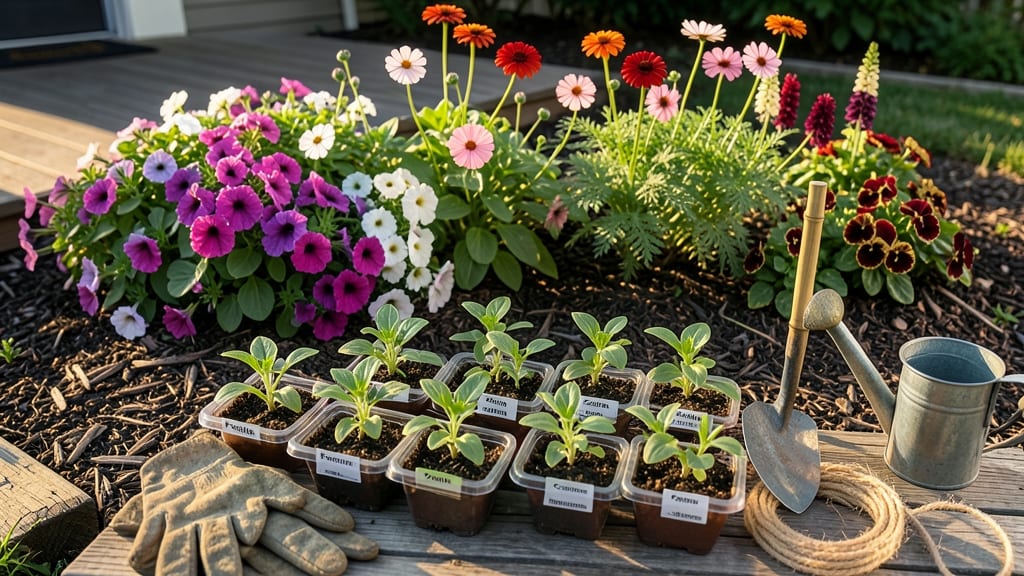
Timing your annuals planting in Massachusetts isn't just about following a calendar—it's about outsmarting the state's unpredictable spring frosts and sweltering summers. One wrong move, and your 🌸 could end up stunted or scorched before it even shows its colors.
If you're in USDA zones 5b-7a, like most of Massachusetts, you know the struggle: waiting too long means missing the sweet spot between frost and heat.
But here's the good news—with the right schedule, you can stretch your garden's life from early spring to late fall, even in Boston's coastal chill or Western MA's inland heat.
I'll break down exactly when to plant cold-hardy varieties like pansies (yes, they can handle frost!) and when to wait for heat-lovers like zinnias. Plus, I'll share pro tips for adjusting your timeline based on microclimates—because your neighbor's perfect garden might not work for your yard.
Ready to turn your Massachusetts garden into a year-round showstopper? Let's dive into the exact dates and tricks that'll keep your annuals thriving no matter what Mother Nature throws at you.
Cold-hardy annuals planting schedule in Massachusetts: frost-resistant varieties
Massachusetts gardeners know that spring frost dates can be unpredictable, but some annual flowers and veggies thrive in cooler temperatures. These cold-hardy annuals can handle light frosts and even grow through early spring plantings. The key is knowing exact planting windows and soil temperature thresholds to avoid frost damage.
For most of Massachusetts (USDA zones 5b-7a), the average last frost date falls between April 15 and May 1, but coastal areas like Cape Cod may see frost-free conditions by April 1.
Inland regions like Western MA often wait until mid-May. Plan accordingly to maximize your early-season blooms.
| Plant | Planting Window | Soil Temp | Notes |
|---|---|---|---|
| Pansies | March 15 - April 30 | 40-50°F | Tolerates light frost; great for spring color |
| Snapdragons | April 1 - May 15 | 45-55°F | Plant seeds early; transplants later |
| Sweet Peas | March 1 - April 15 | 40-50°F | Sow directly; needs trellis support |
| Lettuce | March 15 - May 1 | 45-60°F | Successive plantings for continuous harvest |
| Spinach | March 1 - April 15 | 40-50°F | Bolt-resistant varieties for late spring |
Don’t overlook fall planting for cold-hardy annuals! Many varieties like kale and pansies can be planted as late as August 15 for autumn and early winter enjoyment. These plants actually sweeten in frost, making them perfect for late-season harvests.
For direct sowing in early spring, aim for 4-6 weeks before your area’s last frost date. If you’re using transplants, wait until 2 weeks after the last frost to avoid cold damage.
Always check seed packets for specific days to maturity to ensure your plants bloom before summer heat sets in.
Pro tip: Use row covers or cold frames to extend your early planting window by 2-3 weeks. These protective measures let you start cool-season crops like radishes and peas even earlier, giving you a head start on the growing season.
If you’re in a cooler microclimate (like the Berkshires), you can push your spring planting even earlier, sometimes by 2 weeks. Conversely, urban heat islands in Boston may require later planting to avoid heat stress. Always monitor your local weather forecasts for frost warnings.
For container gardening, cold-hardy annuals like pansies and violas thrive in pots and can be moved indoors during hard freezes. Just ensure your containers have drainage holes and use lightweight potting mix to prevent cracking in freezing temps.
Remember: Soil temperature matters just as much as air temperature. Use a soil thermometer to confirm your soil is at least 45°F before planting cool-season crops. Cold soil slows germination and can stunt young seedlings.
By following these planting windows and soil temperature guidelines, you’ll enjoy vibrant spring blooms and fresh veggies without the risk of frost damage. Happy planting!
Cold-hardy annuals planting schedule in Massachusetts: frost-resistant varieties
If you love colorful annuals that can handle Massachusetts’ chilly springs and crisp falls, you’re in luck—some varieties thrive even when temperatures dip below freezing.
These frost-resistant annuals like pansies, snapdragons, and sweet peas can be planted as early as late March to early April, often before your last frost date.
Key to their success is soil temperature, which should ideally reach 40-50°F for optimal germination. In USDA zones 5b-6a (most of Massachusetts), this usually aligns with mid-April, while zone 7a (southeastern MA) can start slightly earlier.
Always check your local last frost date—Boston averages April 15, but inland areas like Worcester may wait until May 1.
🌱🌿
| Plant | Planting Window | Soil Temp | Notes |
|---|---|---|---|
| Pansies | March 20 - April 15 | 40-50°F | Tolerates light frost; great for spring/fall |
| Snapdragons | April 1 - May 10 | 45-55°F | Prefers cooler weather; avoid summer heat |
| Sweet Peas | April 15 - May 1 | 50-60°F | Needs trellis; blooms in 8-10 weeks |
| Calendula | April 10 - May 15 | 50-60°F | Edible petals; self-seeds easily |
| Lobelia | April 1 - May 10 | 50-55°F | Perfect for containers; loves moisture |
For a fall display, these same annuals can be replanted August 15 - September 1, giving them enough time to establish roots before the first frost (typically October 15). Use row covers or mulch to extend their season if nights grow chilly.
Pro tip: Direct-sow seeds for cold-hardy annuals instead of transplanting seedlings. This gives them a head start and reduces shock from temperature swings. If you’re in a coastal area like Cape Cod, wait 1-2 weeks longer—those salty breezes can delay soil warming.
Don’t forget to amend your soil with compost before planting. These annuals appreciate well-draining, nutrient-rich soil to bounce back from spring’s unpredictable weather. With the right timing, your garden will burst into color just as the last frost fades away!
🌷✂️