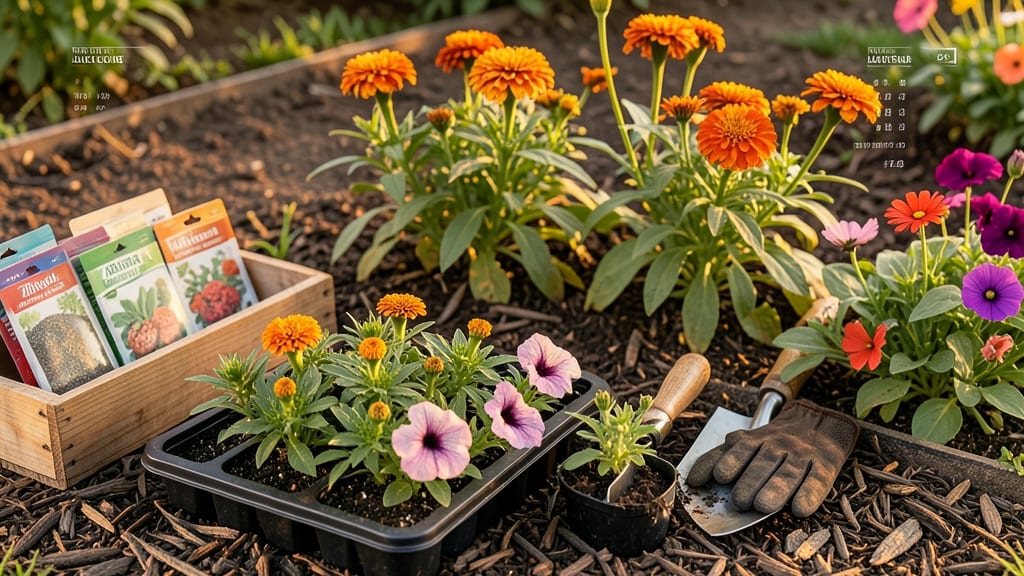
Timing your annuals planting in Ohio isn’t just about guessing—it’s the difference between a vibrant garden and a frost-killed disaster. With Ohio’s 6a zone and unpredictable weather, knowing exactly when to plant can mean the difference between thriving 🌸 blooms and wasted effort.
Spring planting typically kicks off after your last frost date—usually around mid-April—but fall offers a second chance to extend your growing season. The key is understanding how microclimates (like urban heat islands or lakeside zones) can shift your ideal window by weeks.
In this guide, I’ll break down the exact timing for both seasons, including which annuals handle Ohio’s chill and which bolt or wilt if planted too early or late.
You’ll also learn how to adjust for your specific corner of the state—because that backyard in Columbus might not match your neighbor’s schedule.
Ready to turn your Ohio garden into a year-round showstopper? Let’s dive into the perfect planting windows and avoid the most common mistakes that trip up even experienced gardeners.
🌸
When to Plant Annuals
Jan
❄️
Feb
❄️
Mar
🌱
Apr
🌸
May
🌸
Jun
🌸
Jul
🌱
Aug
☀️
Sep
🍂
Oct
🍂
Nov
🍂
Dec
❄️
Ohio’s planting zones & best annuals for spring vs fall success
Ohio spans USDA zones 5a through 6b, meaning your planting schedule depends heavily on whether you’re in southern Ohio (warmer) or northern/northeastern Ohio (cooler). Most gardeners focus on two key windows: spring (after last frost) and fall (6-8 weeks before first frost).
But not all annuals thrive in both seasons—some, like pansies and kale, handle fall frosts, while others, like impatiens or marigolds, bolt or wilt in cooler temps.
For spring planting, wait until the average last frost date (typically April 15–May 15 depending on your zone) has passed. Use a soil thermometer to confirm temps are above 60°F—critical for warm-season crops like tomatoes and peppers.
In fall, start 6–8 weeks before your first frost (usually September 15–October 1), giving plants time to mature before cold sets in.
Cold-hardy annuals (like pansies, snapdragons, and calendula) can handle light frosts, while tender annuals (e.g., basil, cosmos, zinnia) need warmer soil and air. My go-to strategy? Plant heat-lovers in spring and cool-season stars in fall to extend your blooms and harvests.
| Plant Type |
Spring Planting Window |
Fall Planting Window |
Cold Hardiness |
Notes |
| Pansies |
Late March–April |
August–September |
❄️ 25°F |
Blooms in cool weather; great for fall gardens. |
| Snapdragons |
April–May |
August–September |
❄️ 20°F |
Tolerates light frost; long bloom time. |
| Marigolds |
After last frost |
Not recommended |
☀️ 50°F min |
Spring-only; dies in frost. |
| Tomatoes |
May–June |
Not recommended |
☀️ 55°F min |
Spring planting only; needs warmth. |
| Kale |
April–May |
July–August |
Microclimate adjustments: urban heat islands, lakeshore zones & rural Ohio
Ohio’s microclimates can shift your planting schedule by weeks, so don’t assume your neighbor’s timing works for you. Urban areas like Columbus or Cleveland often experience heat islands that delay frost—planting 2–3 weeks later in spring may be safer.
Meanwhile, lakeshore regions (e.g., Lake Erie shorelines) enjoy extended fall seasons due to water’s heat retention, letting you push planting until mid-October.
For rural Ohio or Appalachian foothills, expect earlier frosts—1–2 weeks sooner than urban areas. My rule of thumb? If you’re near wooded areas or valleys, plant cold-hardy annuals like pansies 3 weeks earlier in fall to beat the chill.
Always check local frost records (your county extension office has this data) to fine-tune your schedule.
Here’s how to test your microclimate in 3 simple steps:
-
1
Monitor soil temperature for 3 days using a soil thermometer. Ideal spring planting soil temps: 60°F+ for most annuals.
-
2
Track nighttime lows for 2 weeks. Wait until nighttime temps stay above 50°F before planting tender annuals like basil or petunias.
-
3
Ask local gardeners or check Purdue Extension frost maps. Urban areas may have 5–10°F warmer microclimates than rural zones.
Pro tip: Container gardens in urban areas can stay 5–10°F warmer than in-ground soil. If you’re growing in pots, delay planting tender annuals until mid-May to avoid heat stress. For lakeside gardens, extend your fall planting until October 15—just cover seedlings with row fabric if frost threatens.
One Ohio-specific trick I swear by? Plant cold-hardy annuals like calendula in late August near stone walls or brick buildings. These microclimates trap heat, giving your plants an extra 2–3 weeks of growing time before winter sets in.
Remember: False springs (warm spells in early spring) can fool you—always confirm 3 consecutive days above 50°F before planting frost-sensitive varieties. Use frost cloth as a backup for high-value plants like tomatoes or peppers if early frosts sneak up.
Adjusting for your microclimate isn’t just about timing—it’s about maximizing your garden’s potential without wasted effort or lost plants. Start with these tweaks, and you’ll be the first on your block with year-round blooms and harvests! 🌿
★★★★★4.5(4 reviews)
|