
Planting
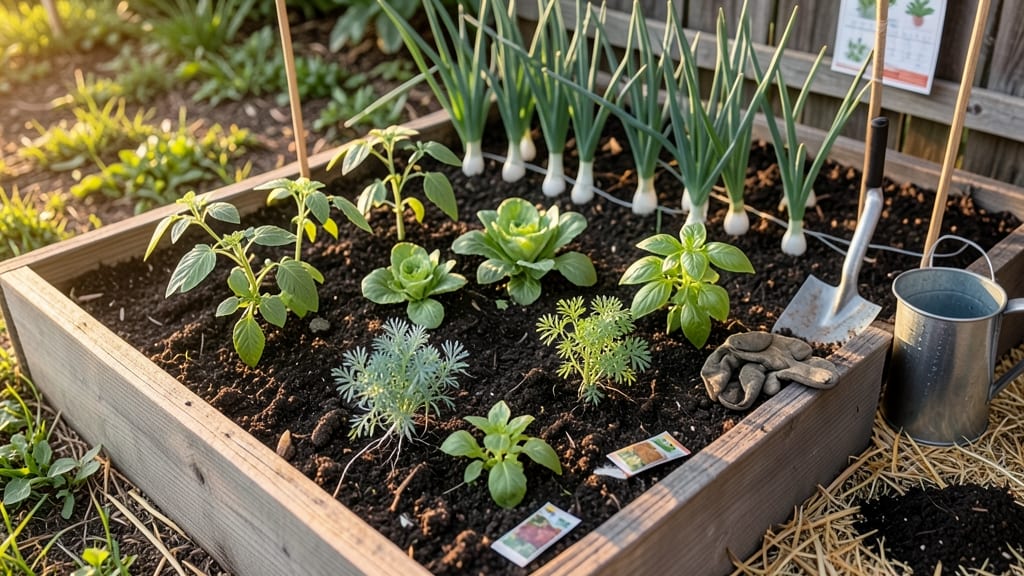
When to plant a vegetable garden in North Carolina can mean the difference between a bountiful harvest and wasted seeds—especially when frost dates shift between the Piedmont’s cooler hills and the Coastal Plain’s humid warmth. Whether you're in USDA Zone 7b or 8a, getting the schedule right ensures your tomatoes, peppers, and greens thrive when they should.
I’ve grown gardens across NC’s diverse microclimates, and the key isn’t just following a one-size-fits-all calendar—it’s adjusting for your specific location. From Raleigh’s last spring frost in early April to Wilmington’s later dates in mid-March, even a few weeks can make or break your crop.
Let’s break down the exact windows for cool-season and warm-season vegetables so you never plant too soon (or too late).
You’ll discover how to use soil temperature as your best guide, why some crops like spinach need early starts while peppers wait for warmth, and how to stretch your growing season with simple tricks like row covers. No more guessing—just data-driven deadlines tailored to NC’s unique growing conditions.
Ready to turn your garden into a high-yield machine? Let’s dive into the most important planting dates, regional tweaks, and pro tips that’ll have you harvesting like a local by summer.
NC planting deadlines by crop type: cool vs warm season vegetables
North Carolina’s diverse climate means your planting schedule should vary by crop type and location. Cool-season vegetables like kale and spinach thrive in spring and fall, while warm-season tomatoes and peppers demand heat.
For Raleigh (Zone 7b), the last spring frost typically arrives between March 15–April 1, while Wilmington (Zone 8a) sees its last frost around February 15–March 1. First fall frosts hit Raleigh by November 15 and Wilmington by December 1.
Timing isn’t just about frost—it’s also about soil temperature. Warm-season crops like cucumbers need soil at 60°F+, while cool-season broccoli prefers 40–60°F. Planting too early can stunt growth, and waiting too long risks shortened harvests.
Below is a breakdown of ideal planting windows for 15 common NC vegetables, tailored to both zones.
| Vegetable | Type | Raleigh (Zone 7b) Plant | Wilmington (Zone 8a) Plant | Harvest Window |
|---|---|---|---|---|
| Tomatoes | Warm | April 15–May 15 | March 1–April 1 | June–October |
| Peppers | Warm | April 1–May 1 | March 15–April 15 | July–November |
| Lettuce | Cool | March 1–April 15 Aug 15–Sept 15 |
Feb 1–March 30 July 15–Sept 30 |
April–June Sept–Nov |
| Broccoli | Cool | Feb 15–March 15 July 15–Aug 15 |
Jan 15–Feb 15 June 15–July 15 |
April–May Sept–Oct |
| Cucumbers | Warm | April 30–May 30 | April 1–May 1 | July–Sept |
| Carrots | Cool | March 1–April 15 Aug 1–Sept 1 |
How to adjust planting times for NC’s microclimatesNorth Carolina’s diverse geography means your planting schedule should shift based on where you live. The Coastal Plain (like Wilmington) enjoys earlier last frosts (around March 15) compared to the Piedmont (like Raleigh, April 1). Even within cities, urban heat islands can push planting dates 1-2 weeks earlier in paved areas. Elevation also plays a role—mountain regions (like Asheville) may delay planting until mid-April due to cooler nights. Always check your local frost dates and adjust accordingly. For example, spinach can handle light frosts, while tomatoes need warm soil (at least 60°F) to thrive. 🌱 Microclimate Adjustments for NC Gardeners
To extend your growing season, use row covers or cold frames to plant leafy greens as early as February in warmer zones. For example, I’ve successfully grown kale in Wilmington by January 15 under a simple floating row cover. In Raleigh, I wait until March 1 for the same results. Always monitor soil temperatures—a soil thermometer is your best friend. Most warm-season crops need soil at 60°F+, while cool-season crops thrive in 40-60°F soil. Adjust your schedule based on these readings, not just calendar dates. 🌡️ Pro tip: Keep a gardening journal to track when you plant and harvest each year. Over time, you’ll notice patterns specific to your microclimate. For instance, my tomatoes in the Coastal Plain ripen 2 weeks earlier than those in the Piedmont—something I only realized after tracking for 3 years. |