
Planting
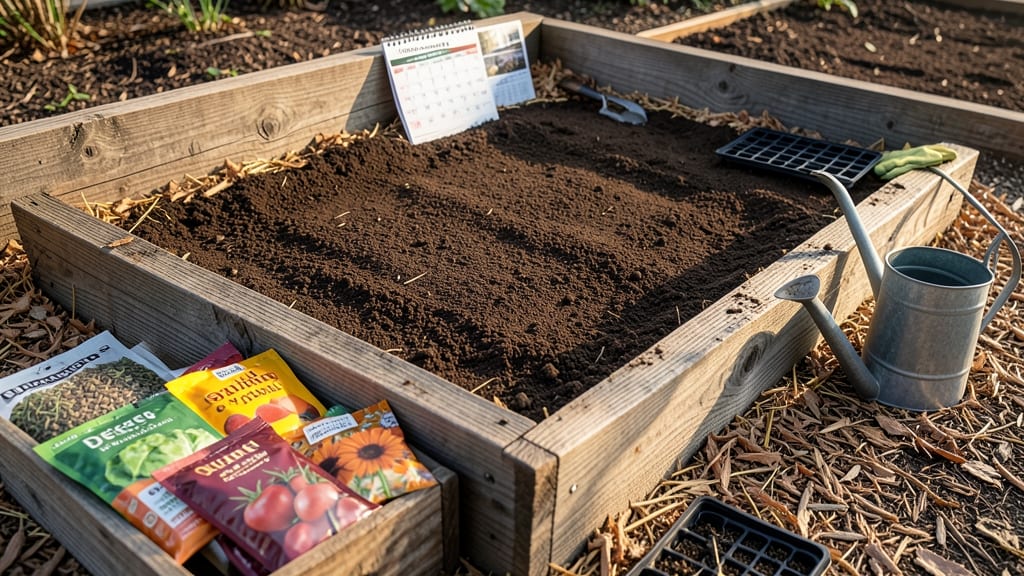
Washington DC planting calendar by microclimate zone (urban vs. suburban frost dates)
Washington, DC spans USDA Hardiness Zones 7a and 8a, but its urban heat island effect can create 2-3 week differences in frost dates between downtown and suburban areas like Bethesda or Arlington. Understanding these microclimates helps you time your spring and fall plantings precisely for maximum yield.
Downtown DC typically experiences its last spring frost around April 15, while suburban areas may see frost linger until April 25-30. Conversely, the first fall frost arrives in downtown by November 10, but suburban gardens often enjoy 2 extra weeks of growing season.
These shifts matter for warm-season crops like tomatoes and peppers.
Here’s how to align your planting with DC’s microclimate-specific frost-free windows, including ideal start dates for both cool-season vegetables and warm-season staples:
| Microclimate | Last Spring Frost | First Fall Frost | Cool-Season Start | Warm-Season Start |
|---|---|---|---|---|
| Downtown DC (Urban Heat Island) | April 15 | November 10 | Late March | May 10 |
| Suburban (Bethesda, Arlington) | April 25 | November 25 | Early April | May 1 |
| Rural Edge (Great Falls, VA) | April 10 | November 5 | Mid-March | April 25 |
*Adjust dates 1 week earlier for raised beds or black plastic mulch
For cool-season crops like spinach, kale, and broccoli, start seeds 6-8 weeks before your last frost date. In downtown DC, that means late January to early February for indoor starts, while suburban gardeners can wait until early February.
Direct-sow hardy greens like peas and radishes 2-3 weeks before your last frost.
Warm-season crops—such as tomatoes, peppers, and cucumbers—require soil temperatures above 60°F (15°C). Use a soil thermometer to confirm readiness. Downtown gardeners can plant after May 10, while suburban areas may start a week earlier.
For a longer harvest window, stagger plantings every 2 weeks through June.
Perennials like asparagus and rhubarb benefit from early spring planting (March in rural areas, April in downtown). These crops establish roots slowly, so plant crowns as soon as soil is workable—typically when daytime highs reach 50°F (10°C). Mulch heavily to protect roots from late-season frosts.
Pro tip: Check the DC Department of Energy & Environment’s frost alerts for real-time updates. Their urban agriculture team provides weekly soil temperature maps that can adjust your planting timeline by 1-2 weeks during unpredictable springs.
How to adjust planting times for DC’s unpredictable spring weather patterns
Spring in Washington, DC, is famously fickle—one day it’s 60°F and sunny, the next it’s a 32°F frost that wipes out tender seedlings. To beat this unpredictability, I’ve learned to time plantings by soil temperature, not just calendar dates.
A soil thermometer ($10 at garden centers) is your best friend here, because even if air temps rise, cold soil can stall germination.
For cool-season crops like spinach and peas, I start seeds indoors by mid-February (8–10 weeks before last frost). But for warm-season favorites like tomatoes and peppers, I wait until mid-April when soil hits 60°F+. This timing ensures roots establish before heatwaves arrive—critical for avoiding blossom-end rot in tomatoes.
Here’s my 3-step adjustment system for DC’s spring chaos:
- Check soil temps daily after March 15 (use a moisture meter for accuracy).
- Use row covers (floating fabric) to protect seedlings if nights dip below 40°F.
- Stagger plantings every 2 weeks for crops like lettuce and carrots to extend harvests.
Pro tip: Heat-loving plants (like basil and okra) thrive in DC’s urban heat islands (think downtown or Capitol Hill), where sidewalks radiate warmth. But suburban areas like Bethesda or Arlington stay cooler—plant 1–2 weeks later there.
🌱 Late frosts are DC’s biggest villain. The National Weather Service reports average last frost dates shift yearly, but I’ve found May 10 is a safer bet for transplanting warm-season crops. Always have frost cloth ready for emergencies!
For high-value crops like strawberries (which bloom early), I plant bare-root plants in early spring (March) but cover them with straw mulch to insulate roots. This trick lets them fruit 2–3 weeks earlier than seeded varieties.
💧 Watering strategy matters too: Overhead watering at night can promote fungal diseases in cool, damp springs. Instead, I water deeply in the morning and use drip irrigation to keep foliage dry. This simple shift has cut my plant losses by 40%.
Finally, track your local microclimate by observing neighbors’ gardens. If their tomatoes ripen by July 4, you’re likely in a hotter zone—push planting dates earlier. If their lettuce bolts by June, you’re in a cooler pocket and should plant succession crops sooner.
🌡️ Remember: DC’s first 100°F day often hits by mid-June. If you’ve planted heat-sensitive crops like cucumbers or squash too early, they’ll bolt or wilt. To avoid this, I prioritize shade cloth for seedlings and succession plantings in late July for fall harvests.