
Planting
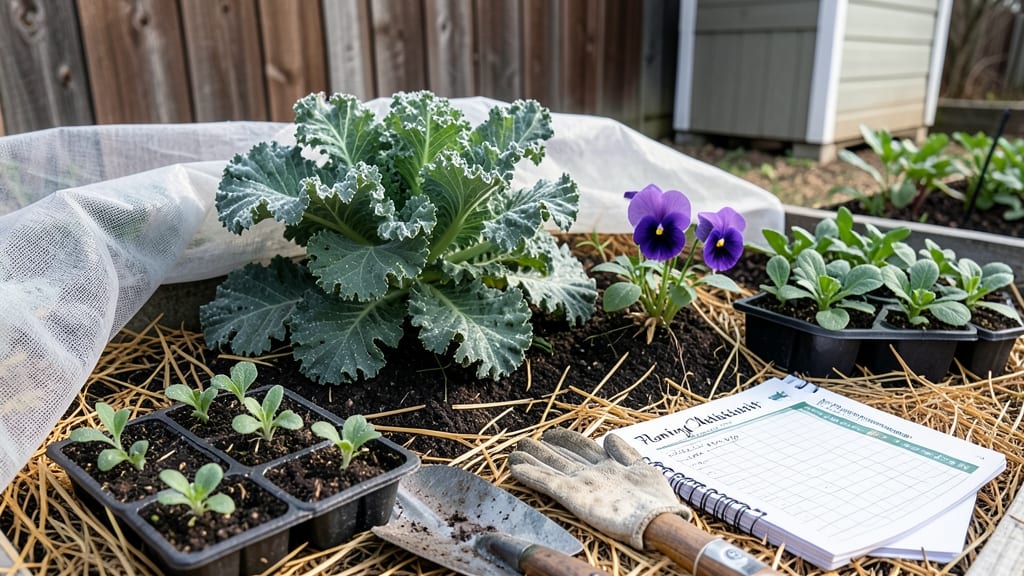
When to plant a garden in Minnesota isn’t just about luck—it’s about beating the frost with precision. The wrong window could mean wilted seedlings or wasted effort, while the right timing unlocks a bountiful harvest of 🌱 General Garden Vegetables that thrive in Zones 3-5.
With last frosts creeping in as late as mid-May and first frosts arriving by September, knowing when to plant is the key to zero-risk success. I’ll break down the exact frost-free deadlines for your favorite crops, so you can avoid common mistakes and maximize your growing season.
Whether you’re a first-time gardener or a seasoned pro, these strategies will help you adjust for Minnesota’s unpredictable weather. From extending your season with cold frames to choosing the fastest-growing crops for late starters, you’ll learn how to make every planting count.
Ready to turn your Minnesota garden into a thriving oasis? Let’s dive into the exact planting windows and expert tips that will set you up for a harvest you’ll be proud of.
Minnesota frost dates by Zone: exact planting windows for zero-risk success
Minnesota’s USDA Zones 4-5 create a delicate balance between short growing seasons and unpredictable frost. The average last spring frost arrives between May 10-20, while the first fall frost typically hits September 15-October 10.
These dates shift 1-2 weeks earlier in northern MN (Zone 4) and 1-2 weeks later in southern MN (Zone 5).
To avoid frost damage, use these 10-year average frost dates as your guide. Plant cool-season crops 4-6 weeks before the last frost, while warm-season crops need to wait until 2-3 weeks after. For fall planting, aim to harvest before the first frost—typically by mid-October in most regions.
🌱 Key Takeaway: Southern MN (Zone 5) has a 140-day frost-free window, while northern MN (Zone 4) averages just 120 days. Adjust planting times accordingly to maximize your harvest.
| Category | Zone 4 (Northern MN) | Zone 5 (Southern MN) |
|---|---|---|
| Last Spring Frost | May 10-15 | May 15-20 |
| First Fall Frost | September 20-October 5 | October 5-10 |
| Frost-Free Window | 120 days | 140 days |
| Cool-Season Planting | April 15-May 10 | April 20-May 15 |
| Warm-Season Planting | May 20-June 10 | May 25-June 15 |
| Fall Planting Window | July 15-August 15 | July 20-August 20 |
For hardy vegetables like kale, peas, and spinach, you can start seeds indoors as early as March in Zone 5 or April in Zone 4. These cold-tolerant crops thrive even when temperatures dip below 40°F.
Meanwhile, tomatoes, peppers, and basil need to wait until after the last frost, ideally planted in late May to early June.
If you’re in Zone 4, consider using microclimate adjustments. Urban areas often warm up faster than rural zones, giving you an extra 1-2 weeks of growing time.
Conversely, low-lying areas or northern exposures may experience frost 10-14 days later than average. Always check local Almanac frost records or use a frost calculator for precision.
Pro tip: Use frost cloth or row covers to extend your season by 2-4 weeks. This is especially useful for late spring or early fall plantings when frost is unpredictable.
For example, you can plant cabbage as late as July 15 in Zone 5 and still harvest before frost—just cover it
How to adjust planting times for Minnesota’s unpredictable weather patterns
Minnesota’s short growing season and unpredictable frost can derail even the most carefully planned garden. But with the right adjustments, you can extend your season and protect tender plants. Start by using season extenders like cold frames, row covers, or low tunnels.
These tools can push your last frost date back by 2-4 weeks, giving you extra time for warm-season crops like tomatoes and peppers.
Another key strategy is succession planting. Instead of planting all your lettuce or radishes at once, stagger seeds every 2 weeks for a continuous harvest. This works especially well for fast-growing crops that mature in 30-45 days, like bush beans or spinach.
Even if frost hits early, you’ll still get a bounty.
For late spring or early fall plantings, heat-tolerant varieties are your best friends. Look for slow-bolting lettuce (like ‘Black Seeded Simpson’) or heat-resistant tomatoes (like ‘Solar Fire’). These varieties can handle warmer temperatures and still produce well, even when summer heat arrives early.
- 🌱 Use row covers to protect broccoli, cabbage, and cauliflower from late frosts. Remove covers when plants flower to allow pollination.
- 🌡️ Monitor soil temperatures—most warm-season crops need soil at 60°F+ to germinate. Use a soil thermometer for accuracy.
- ⏰ Calculate safe transplant dates by adding 2-3 weeks to your average last frost date. For example, if frost is May 15, wait until June 1 to plant tomatoes.
- 🌿 Plant cold-hardy greens like kale or spinach in early spring or late summer for fall harvests. They thrive in cool weather and often sweetened by frost.
- 🌡️ Avoid planting heat-sensitive crops (like cucumbers or squash) until after June 1 in Zone 4. Early plantings often bolt or wilt in sudden heat.
If you’re a late starter, don’t panic! Focus on fast-maturing crops that can still produce before frost. Radishes (30 days), bush beans (50 days), and lettuce (45 days) are perfect for July plantings. Pair them with companion plants like basil (which deters pests) to maximize yield.
Finally, keep a gardening journal to track your local frost dates and plant performance. Note which varieties thrive in your microclimate and when you plant for best results. Over time, you’ll refine your timing and outsmart Minnesota’s weather like a pro.
With these adjustments, you’ll turn challenging conditions into garden success. Happy planting! 🌱