
Companion Plants
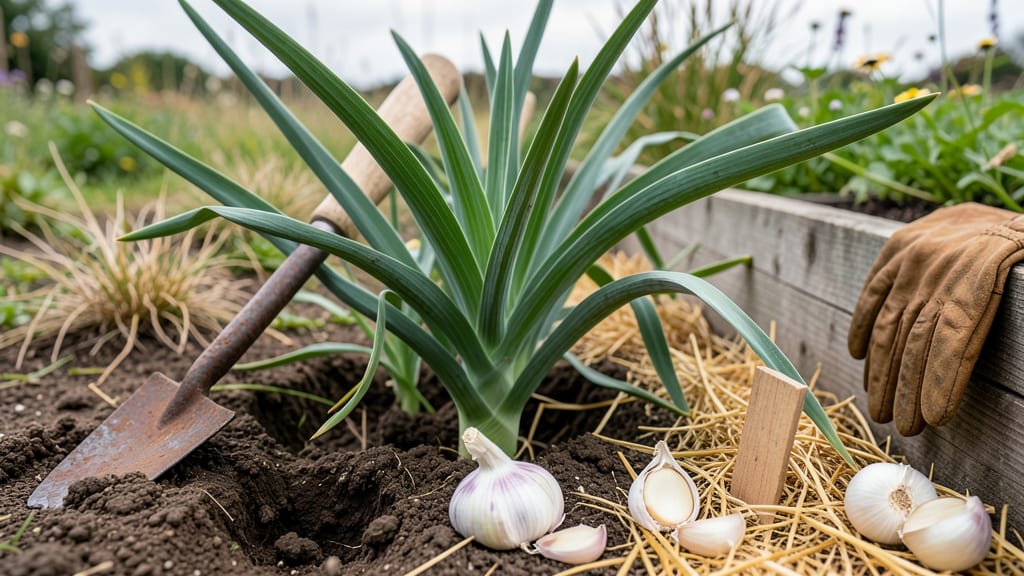
If you're wondering "when should I plant garlic in Zone 6", timing is the secret weapon that separates a thriving harvest from a disappointing one.
The fall window—specifically between late September and early November—gives your 🧄 bulbs the perfect head start, allowing roots to establish before winter's chill sets in.
Most gardeners in Zone 6 overlook this critical detail, but planting too early or late can stunt growth or invite pests. I’ll break down the ideal 6-8 week window before hard frost, plus how to adjust if your season runs hot or cold.
With the right preparation, you’ll be rewarded with plump, flavorful bulbs by mid-summer.
This isn’t just about throwing cloves into the dirt—soil prep, bulb selection, and even moisture levels play a role in success. Whether you’re a first-time planter or a seasoned gardener, these actionable steps will ensure your garlic thrives from the moment you tuck those cloves into the earth.
Let’s dive into the exact timing, soil secrets, and care tips that’ll have your garlic growing like a pro—no guesswork required.
The optimal fall planting window for garlic in Zone 6
Garlic thrives in Zone 6 when planted in fall, specifically during a 6-8 week window before the first hard frost. This timing ensures strong root development before winter dormancy.
For most of Zone 6, aim for late September to early October, but adjust based on your exact last frost date.
Your goal is to plant when soil temperatures drop to 40–50°F at night. This cooler soil prevents premature sprouting while allowing roots to establish. Use a soil thermometer to monitor—if temps stay above 50°F for too long, your garlic may bolt or produce weak bulbs.
In northern Zone 6 (e.g., Minneapolis, St. Paul), plant by mid-October to avoid early frosts. In southern Zone 6 (e.g., Nashville, Raleigh), you can extend planting until early November since frosts arrive later. Always check your local frost dates—they vary by 1–2 weeks even within the same zone.
Here’s the golden rule: Plant garlic when your average nighttime lows are consistently 40°F or below. This signals the plant to focus on bulb formation rather than leafy growth. Miss this window, and you risk small, weak bulbs or even no harvest at all.
If you’re unsure about your exact last frost date, use the National Weather Service or local Cooperative Extension Service for precise data.
For example, in Chicago, the average last frost is April 15, so plant garlic by October 20 to allow 6 weeks of root growth before winter.
Pro tip: Hardneck garlic (best for cold climates) needs cold vernalization to form bulbs, so fall planting is non-negotiable. Softneck varieties (like Silverskin) can sometimes tolerate spring planting, but they’ll never reach their full potential without a winter chill period.
For late-season adjustments, if you miss the fall window, you can try planting in early spring (March), but bulbs will be smaller and less flavorful. This is only a backup—never your first choice for Zone 6.
Finally, mulch heavily after planting (4–6 inches of straw or leaves) to insulate bulbs during winter. This protects them from freeze-thaw cycles and ensures uniform growth come spring.
The optimal fall planting window for garlic in Zone 6
Timing is everything when planting garlic in Zone 6, where the 6-8 week window before hard frost determines whether your bulbs grow large or stay small. Aim for late September to early October—this ensures garlic establishes strong roots before winter dormancy.
The key is soil temperatures between 40-50°F, signaling it’s time for planting.
Miss this window, and you risk shallow root growth or cloves sprouting too early. In Zone 6, the average last frost date is around November 15, so count backward 6 weeks to land on your ideal planting date.
For example, if frost hits November 15, plant by October 1 for optimal bulb development.
| Planting Stage | Zone 6 Timeline | Soil Temp Threshold | Key Action |
|---|---|---|---|
| Pre-Planting Prep | Late August - Early September | 60-70°F | Test soil pH (6.0-7.0), add compost |
| Planting Window | Late September - Early October | 40-50°F | Plant cloves 2" deep, 6" apart |
| Overwintering | November - March | Below 32°F | Mulch 2-3" deep with straw |
| Spring Growth | April - May | 50-60°F | Remove mulch, watch for shoots |
If your fall planting window slips due to unseasonably warm weather, don’t panic. You can plant garlic in early December—just ensure the ground doesn’t freeze solid before roots establish. For late planters, focus on hardneck varieties, which tolerate colder soils better than softneck types.
Adjust for your specific Zone 6 microclimate. Urban areas may experience heat islands, delaying frost by 1-2 weeks. Rural spots with elevations above 2,000 feet might need earlier planting. Always check your local USDA frost maps for precision.
Pro tip: Use a soil thermometer to confirm temperatures. Plant when readings consistently hit 50°F during the day and 40°F at night. This balance ensures garlic roots grow deep without sprouting prematurely.
Remember, garlic planted in Zone 6 after November 15 risks poor bulb formation. The earlier you plant within the window, the larger your harvest. Aim for October 1-15 for best results.