
Plants
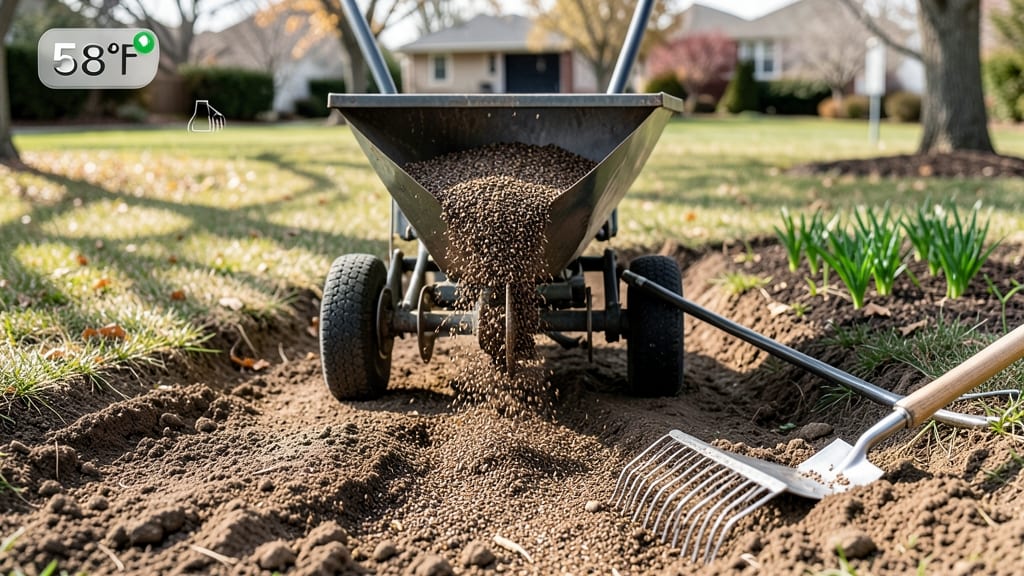
If you're dreaming of a lush, green lawn in Pennsylvania, timing your 🌱 grass seed planting could make or break your success. Planting too early or late means struggling with weak roots, drought stress, or even winter damage—leaving your yard vulnerable to weeds and patchy growth.
Here's the secret: Pennsylvania's 5b-7a climate gives you two prime windows—early spring and early fall—but getting it wrong can turn your hard work into frustration.
Whether you're in Pittsburgh's cooler microclimate or Philadelphia's urban heat islands, knowing the exact deadlines for your zone is the key to a thick, resilient lawn.
I'll walk you through the best months for each zone, how to prep your soil for maximum germination, and why some gardeners swear by early fall planting. Ready to stop guessing and start growing? Let's get your lawn off to the best possible start.
From avoiding summer heatwaves to adjusting for Pennsylvania's unpredictable frosts, we'll cover everything you need to know. By the end, you'll have a clear timeline, soil prep tips, and watering strategies tailored to your local conditions—so your grass seed gets the perfect head start.
Pennsylvania’s ideal grass planting windows by hardiness Zone (5, 6, and 7)
Pennsylvania spans USDA hardiness zones 5b through 7a, meaning planting windows vary by region. In Zone 5b (northwest PA), aim for early May to early September, while Zone 7a (southeast PA) can plant until mid-October.
The key is planting when soil temps stay above 50°F (10°C) for 5+ days.
Most experts agree early fall (September-October) is the best time because cooler temps reduce weed competition and drought stress. Spring planting (March-April) works too, but seeds must germinate before summer heat arrives. Avoid planting in late summer (August)—high temps can bake seeds before they sprout.
Here’s how to check if conditions are right: Stick a soil thermometer 2 inches deep. If temps are 55-65°F (13-18°C), it’s prime time. In Zone 6 (central PA), this usually means late April to early June for spring or September 15-October 15 for fall.
Pro tip: Cool-season grasses (like Kentucky bluegrass) thrive in PA’s climate. These types establish best in spring or fall, while warm-season grasses (like Bermuda) need late spring planting—but they’re rare in PA’s cooler zones.
If you’re in Zone 7a, you can push fall planting to mid-October, but seeds need 4-6 weeks to establish roots before frost. In Zone 5b, stop by early September to avoid winter kill.
Microclimates matter too. Urban areas (like Pittsburgh) may stay cooler than rural spots, delaying ideal planting by 1-2 weeks. Always adjust for your specific location.
🌱
🌱 Pennsylvania Grass Planting Windows by Zone
| Zone | Best Planting Window | Soil Temp Requirement | Key Considerations |
|---|---|---|---|
| 5b (NW PA) | Early May – Early September | 50–65°F (10–18°C) | Avoid late summer heat; stop by Sept 1 for root establishment. |
| 6 (Central PA) | Late April – Early June / Sept 15 – Oct 15 | 55–65°F (13–18°C) | Ideal for cool-season grasses; fall planting preferred. |
| 7a (SE PA) | March – Late May / Sept 1 – Mid-October | 55–70°F (13–21°C) | Longer growing season; push fall planting to Oct 15. |
💡 Pro Tip: Use a soil thermometer to confirm temps before planting. 55°F+ ensures fast germination.
After choosing your window, prep soil by removing weeds and tilling 2-3 inches deep. Add compost or peat moss if your soil is sandy or clay-heavy. Level the area with a rake—seeds need good soil contact for even germination.
Watering is critical post-planting. Keep soil consistently moist (not soggy) for the first 2-3 weeks. In PA’s Zone 6, this means daily watering in spring and every other day in fall. Use a sprinkler on a gentle setting to avoid washing seeds away.
If you miss the ideal window, overseeding in fall (even in late October) can still work if temps stay above 40°F (4°C). Just reduce watering slightly to prevent fungal growth.
✂️
Pennsylvania’s ideal grass planting windows by hardiness Zone (5, 6, and 7)
Pennsylvania’s 5b-7a climate creates two perfect windows for planting 🌱 grass seed: early spring and early fall. These periods offer ideal soil temperatures (50-65°F) and moisture levels that help seeds germinate quickly and establish strong roots before extreme weather hits.
Missing these windows often leads to weak growth or failed germination, especially in Pennsylvania’s unpredictable frost patterns.
In Zone 5b (northwest PA), aim for late April to early May in spring and mid-September to early October in fall. Zone 6 (central PA) has slightly more flexibility with mid-April to late May in spring and late August to mid-October in fall.
Meanwhile, Zone 7a (southeast PA) can plant as late as early June in spring and October’s first half in fall.
Here’s how to check if conditions are right: Use a soil thermometer to confirm temperatures are above 50°F (ideal: 60-65°F). If daytime temps exceed 85°F, wait—heat stresses seeds. Also, avoid planting when frost is forecasted within 7-10 days, as young grass won’t survive.
| Zone | Spring Window | Fall Window | Soil Temp | Key Tip |
|---|---|---|---|---|
| 5b | Late April–Early May | Mid-Sept–Early Oct | 55–65°F | Wait for last frost |
| 6 | Mid-April–Late May | Late Aug–Mid-Oct | 50–65°F | Avoid summer heat |
| 7a | Early April–Early June | Early Sept–Early Oct | 50–60°F | Fall is best |
Early fall planting is my top recommendation for Pennsylvania lawns. Cooler temps reduce disease pressure and weed competition, while seeds establish roots before winter. In spring, focus on cool-season grasses like Kentucky Bluegrass or Fescue—they thrive in PA’s climate.
For warm-season grasses (e.g., Bermuda), limit planting to late spring in Zone 7a only.
Pro tip: If you’re in urban areas (like Philadelphia), watch for heat islands—soil may stay warmer longer, pushing your planting window later. Rural areas often cool faster, so adjust accordingly. Always test your soil’s pH (6.0–7.0 ideal) and add compost to improve drainage before seeding.
Remember, consistent moisture is critical after planting. Water lightly twice daily (morning/evening) for the first 2 weeks to keep soil evenly moist, not soggy. Mulch with straw to retain moisture and protect seeds from drying out.