
Plants
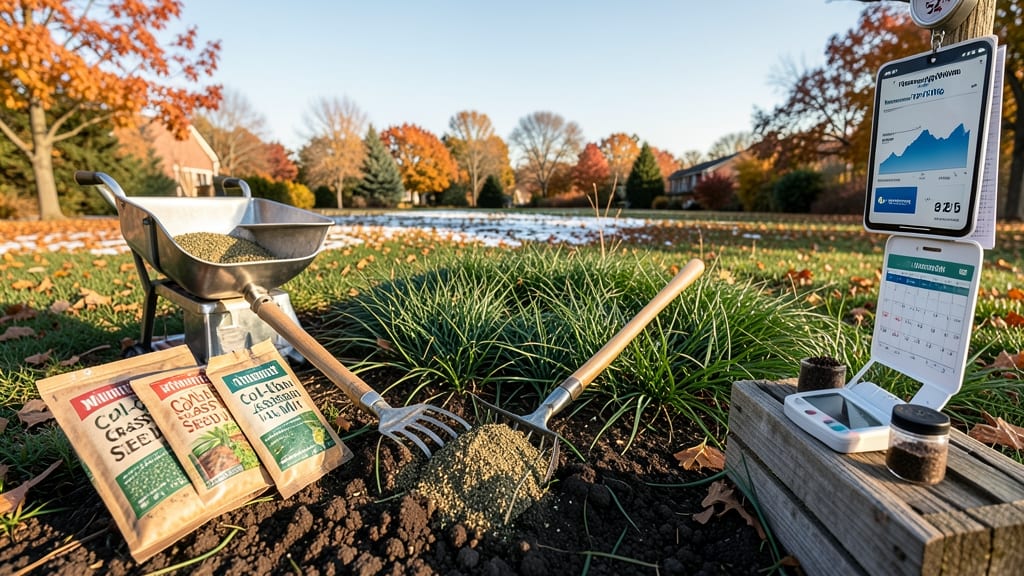
If you're staring at bare patches in your Minnesota lawn and wondering when is it too late to plant grass seed, the answer depends on your zone, microclimate, and seed type—but here's the hard truth: waiting too long risks wasting money and effort.
Minnesota’s 4a-5a zones demand precision, especially when fall’s first frost sneaks up faster than expected. Planting 🌱 turfgrass after mid-September without proper prep often means weak roots, winter kill, or patchy growth.
But don’t panic—with the right varieties and timing tweaks, you can still get a head start before winter sets in.
In this guide, I’ll break down the exact last-minute deadlines for your specific zone, plus three proven workarounds to extend your planting window. Whether you’re dealing with urban heat islands or rural frost pockets, you’ll learn how to give your lawn the best shot at survival.
Ready to avoid spring replanting regrets? Let’s dive into the science—and the shortcuts—that separate a thriving lawn from a failed gamble.
Minnesota’s last planting dates by USDA Zone: hard deadlines for grass seed germination
Minnesota’s USDA Zones 3-5 create a tight window for planting cool-season grasses like Kentucky bluegrass and fescue. The soil temperature threshold of 40–50°F determines germination success, while first frost dates (mid-September to early October) set the hard deadline.
In Zone 4a (northern MN), aim to finish by September 15; in Zone 5a (southern MN), you might push to October 1—but only with fast-germinating varieties.
Warm-season grasses like Bermuda or buffalo are a non-starter in Minnesota’s fall. These thrive in Zone 7+ and won’t survive our winters.
Stick to cool-season blends for fall planting, as they establish roots before dormancy. Perennial ryegrass germinates fastest (5–7 days), while tall fescue takes 14–21 days—critical timing if frost arrives early.
Here’s the zone-by-zone breakdown of your last planting dates, accounting for microclimates like urban heat islands (which can add 1–2 weeks) and rural areas (where frost hits sooner). Use this as your hard stop before germination risks plummet.
If you’re planting in Zone 5a after October 1, your grass may not establish deep enough roots before winter. Frost heave (soil expanding/contracting) can uproot seedlings, leaving you with brown patches come spring.
For Zone 3–4a, the risk is even higher—90% of late plantings fail if frost hits before germination.
Pro tip: Use a soil thermometer ($10 at garden centers) to confirm temperatures. Grass seed won’t sprout below 40°F, even with fast-germinating varieties. If your soil is below 45°F, wait until spring or use row covers to insulate the seedbed.
For urban gardeners, pavement and buildings create microclimates that can delay frost by 1–2 weeks. A south-facing lawn in Minneapolis might stay warm enough for planting until October 10, while a shady backyard in Duluth could freeze by September 20.
Always scout your site for frost pockets—low areas collect cold air first.
One critical exception: Overseeding (adding seed to an existing lawn) can push deadlines by 2–3 weeks because established grass protects new seedlings. If your lawn is 70%+ healthy, you might succeed with late September plantings in Zone 4b–5a.
For new lawns, though, stick to the table above.
Remember: Spring planting (early April–mid-May) is always safer, but fall offers cooler temps, fewer weeds, and deeper root growth before winter. If you miss the fall window, budget for spring replanting costs—which can run $0.50–$1.50 per sqft for seed, prep, and labor.
🌱
How microclimates and seed types extend (or shorten) your planting window
Minnesota’s microclimates can shift your grass seed planting window by 2–4 weeks. A south-facing slope might stay warm enough for tall fescue germination into early October, while a shaded yard in Zone 4a could freeze by mid-September.
Understanding these variations helps you push back deadlines—or avoid planting too late.
Urban areas like Minneapolis experience heat retention from pavement, extending the window by 7–10 days compared to rural fields. Meanwhile, windbreaks (like evergreen hedges) reduce frost risk, letting you plant perennial ryegrass up to 2 weeks later than exposed lawns. Always check your yard’s sun exposure and nearby structures.
Not all grass seed types play by the same rules. Tall fescue and fine fescue germinate faster (7–14 days) in cool soil, giving you a 2-week buffer over slower Kentucky bluegrass.
For late-season planting, opt for fast-germinating blends labeled “early fall” or “winter-hardy.” These seeds prioritize root establishment over rapid top growth.
Even with these adjustments, soil insulation is your best tool. Spread straw mulch (½ inch thick) over seeded areas to retain heat and protect seedlings from frost heave. In Zone 3, this can push your deadline to October 20—but always monitor 7-day forecasts for hard freezes.