
Plants
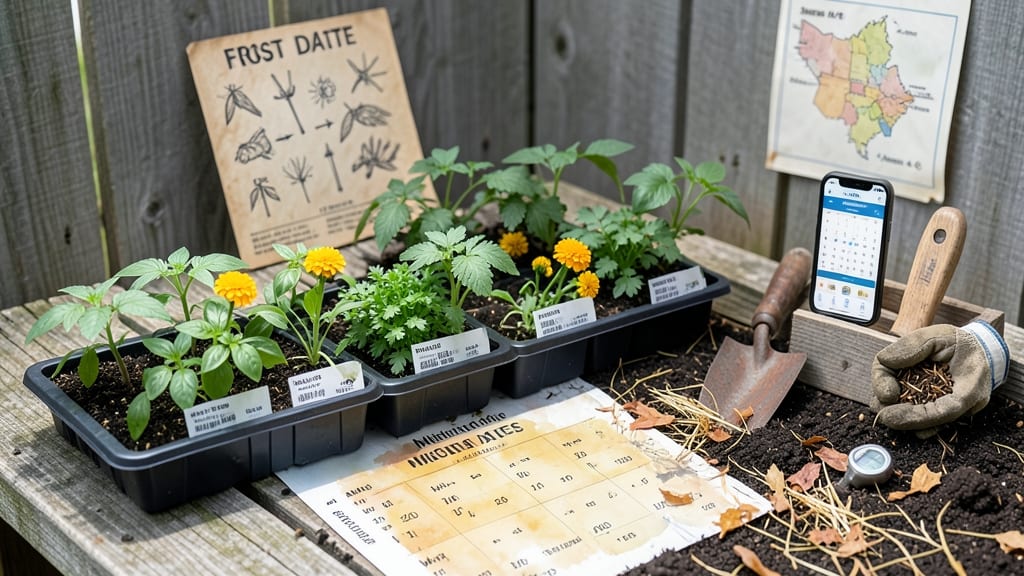
Knowing when it's safe to plant in Michigan can mean the difference between a lush garden and a sad, frost-nipped disappointment. With USDA zones 5b-6b and unpredictable spring weather, timing is everything—especially when your 🌱 General Vegetables & Flowers are counting on you.
Most gardeners in Michigan wait until after the last frost date, typically between April 15 and May 31, but that’s just the starting point. The real secret?
Checking soil temperatures (aim for 50°F) and adjusting for your specific region—Detroit’s urban heat island warms faster than Traverse City’s cooler lakeside air.
In this guide, I’ll break down the exact planting windows for your area, whether you’re growing cool-season crops like spinach or warm-season favorites like tomatoes. Plus, I’ll share pro tips for beating late frosts, so you never miss a growing season again.
Ready to turn your garden dreams into reality? Let’s get those seeds in the ground—the right way.
Michigan’s frost-free dates by region: when to plant cool-season vs. warm-season crops
Michigan’s last frost dates vary dramatically from the Upper Peninsula to Southern Michigan, with some areas like Detroit seeing frost as early as April 15 while Traverse City may wait until May 10.
These differences mean your planting timeline should align with your USDA hardiness zone—whether you’re in Zone 4a (northern UP) or Zone 6b (southern Michigan).
Cool-season crops like spinach and peas can handle light frosts, while tomatoes and peppers need warm soil (at least 50°F) and no risk of frost. Understanding these windows ensures your garden thrives without wasted effort or lost plants.
Below is a region-by-region breakdown of Michigan’s frost-free dates, including city-specific averages and the best time to plant both cool-season and warm-season crops. Use this as your guide to avoid the #1 gardening mistake: planting too early!
| Region | Avg. Last Frost | Cool-Season Planting Window | Warm-Season Planting Window | USDA Zone |
|---|---|---|---|---|
| Northern UP (Marquette, Houghton) | May 25 | March 15 – April 30 | June 10 – July 15 | 4a–5a |
| Traverse City, Petoskey | May 10 | March 1 – April 15 | May 20 – June 10 | 5b–6a |
| Grand Rapids, Lansing | April 25 | February 20 – April 10 | May 1 – May 15 | 5b–6a |
| Detroit, Ann Arbor, Kalamazoo | April 15 | February 15 – March 30 | April 20 – May 10 | 6a–6b |
| Southwest MI (Benton Harbor, St. Joseph) | April 10 | February 1 – March 20 | April 10 – April 25 | 6b |
Note: Urban areas (like Detroit) warm up faster than rural zones. Adjust for microclimates (e.g., south-facing slopes, near water).
For cool-season crops, start seeds 4–6 weeks before your last frost date. In Zone 6b, that means sowing spinach or lettuce by February 15, while Southern Michigan gardeners can push it to March 1. These early starts give plants a head start before summer heat arrives.
Warm-season crops like tomatoes and peppers need soil temperatures above 50°F. In Northern Michigan, wait until June 10 to plant, while Southern Michigan can start as early as April 20. Use a soil thermometer to confirm—cold soil stunts growth, even if air temps are warm.
Pro tip: If your region’s frost date is unpredictable (like in 2021’s late May freezetransplants instead of direct sowing. Nurseries often have heat-loving seedlings ready by late May, giving you a buffer.
For flowers, annuals like marigolds and zinnias thrive in warm soil, while perennials (e.g., coneflowers) can handle cooler temps. Plant perennials in early spring
How to calculate your local frost date (and what to do if spring is late)
Michigan’s frost dates aren’t set in stone—they shift yearly based on microclimates, elevation, and even urban heat islands. For example, Detroit’s average last frost is April 20, but Traverse City’s can be 2 weeks later.
To find your exact date, check the NOAA frost probability maps or Michigan State University Extension’s local planting guides. These resources provide historical averages and 30-year trends to help you plan.
If you’re impatient (who isn’t?), you can adjust your planting timeline by using protective covers like row covers or cold frames. These tools can push your planting window 2–4 weeks earlier for cold-hardy crops like lettuce or peas.
Just remember: even with protection, soil temperature must reach 40°F (4°C) for most cool-season plants to germinate properly.
🌱
If spring arrives late (like 2022’s May 1 frost in southern Michigan), don’t panic! Use these backup strategies to salvage your season:
- Succession planting: Sow fast-growing crops (radishes, lettuce) every 2 weeks for continuous harvests.
- Cold frames: Extend the season by 3–4 weeks for warm-season plants like tomatoes.
- Row covers: Protect seedlings from light frosts (down to 25°F) with floating row covers.
- Container gardening: Move pots to warmer microclimates (south-facing walls, patios) when nights dip below 50°F.
For a foolproof approach, combine historical data with real-time monitoring. Use a soil thermometer to confirm temperatures—50°F (10°C) is the minimum for most warm-season crops like peppers and cucumbers.
If your soil is still chilly, opt for slow-growing varieties or start seeds indoors 6–8 weeks before your target planting date.
Another trick? Plant early bloomers like snap peas or spinach 2–3 weeks before your average frost date. These cold-tolerant plants can handle light frosts and give you a head start on the season.
Just be prepared to cover them if a late frost sneaks in—old blankets or cardboard work in a pinch!
Finally, keep a gardening journal to track your local frost dates over time. Note when specific plants thrive (or fail) in your microclimate. For example, my south-facing raised beds warm up 2 weeks earlier than my shady backyard, so I adjust my planting schedule accordingly.
Over time, you’ll develop a personalized planting calendar that beats Michigan’s unpredictable weather every time.
☀️