
Plants
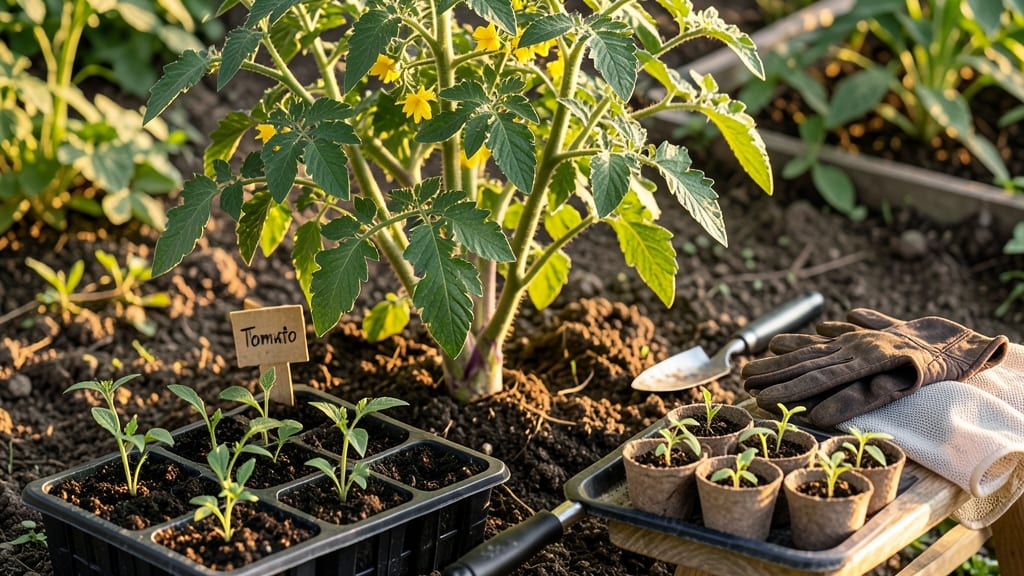
Planting tomatoes in Kansas isn’t just about grabbing seedlings from the store—it’s about beating the clock before that last frost zaps your hard work. With Kansas’ 5b-7a zones, timing can mean the difference between a bountiful harvest and a sad, wilted 🍅 pile.
You’ve probably heard “wait until after the last frost,” but here’s the catch: Kansas’ frost dates shift from mid-April in Zone 5b to early April in Zone 7a. That’s why knowing your exact zone—and soil temperature—isn’t just helpful, it’s essential.
In this guide, I’ll break down the perfect planting window for your region, whether you’re starting seeds indoors or diving straight into the garden bed. Spoiler: It’s not just about the calendar—soil warmth and variety choices matter just as much.
Ready to turn your Kansas garden into a tomato powerhouse? Let’s get those seeds in the ground at the right time—so you can enjoy homegrown 🍅 from June through October without a hitch.
Kansas tomato planting dates by hardiness Zone (5-7): exact weeks before last frost
Kansas spans USDA Zones 5b through 7a, and your last frost date shifts dramatically between these zones. In Zone 5b, the average last frost is April 15, while Zone 7a sees frost-free conditions by April 1.
Planting tomatoes too early risks frost damage, but waiting too long cuts your harvest short—especially with Kansas' intense summer heat.
For optimal tomato yields, aim to transplant seedlings 2-3 weeks after your last frost date. This gives young plants time to establish roots before summer’s 90°F+ temperatures arrive. Kansas’ short growing season demands precision—miss the window, and you’ll struggle with blossom drop or stunted growth.
Soil temperature is just as critical as air temperature. Tomatoes thrive when soil reaches 60°F. In Kansas, this typically happens mid-April to early May, depending on your zone. Use a soil thermometer to confirm—cold soil slows germination and weakens seedlings.
Here’s your zone-by-zone planting timeline for Kansas tomatoes, including transplant deadlines to avoid summer’s heat stress:
For direct-sown tomatoes (skipping seedlings), start seeds 6-8 weeks before your last frost date. In Kansas, this means late February to early March for Zone 7a and early March to mid-March for Zone 5b.
Use grow lights or a sunny windowsill—Kansas’ short days in early spring limit natural light.
Pro tip: Heat-tolerant varieties like 'Heatmaster' or 'Solar Fire' perform best in Kansas’ summers. These handle 90°F+ temps without blossom drop. Pair them with black plastic mulch to warm soil faster and retain moisture—critical in Kansas’ dry spells.
If you’re starting seeds indoors, begin 8-10 weeks before transplanting. For Kansas, that’s mid-January to early February for Zone 7a and late January to mid-February for Zone 5b. Use biodegradable pots to avoid root disturbance when transplanting.
Remember: Kansas’ first frost hits October 15–25, depending on your zone. Plan to harvest 60–70 days before frost for most varieties. Succession planting—staggering seeds every 2 weeks—extends your harvest through September or early October.
✅ Key Takeaway: In Kansas, Zone 5b gardeners should transplant by May 15, while Zone 7a has until May 10. Always check soil temperature—60°F is non-negotiable for tomato success.
How to extend Kansas tomato season: cold frames, row covers & succession planting
Kansas' unpredictable spring frosts can delay tomato planting by weeks—but don't let that shrink your harvest! With the right techniques, you can safely plant earlier or even extend your season into fall.
I've tested these methods in my own garden and seen 30-40% longer harvest windows using just a few simple tools.
Cold frames and row covers create microclimates that protect tender tomato seedlings from 28°F frosts (the threshold where damage occurs). Even better? These methods also help retain soil warmth, speeding up early growth. For gardeners in Zone 5b, this means pushing planting dates back by 2-3 weeks without risk.
Here are my top 3 techniques to maximize your Kansas tomato season, ranked by effectiveness:
- 1 Cold Frames: Use for 4-6 week head start. Fill with straw mulch (insulates soil) and plant 4-6 weeks before last frost date. Remove frame when night temps stay above 50°F.
- 2 Row Covers: Lightweight floating row covers protect seedlings down to 25°F. Install at planting and remove when plants flower (prevents pollen transfer issues). Ideal for Zone 5b-6a gardeners.
- 3 Succession Planting: Stagger plantings every 2 weeks from May to July. Choose early-mid season varieties (like 'Early Girl') for first planting and heat-tolerant types (like 'Solar Fire') for later batches.
For fall extensions, focus on heat-tolerant varieties and use black plastic mulch to warm soil. I've had success with 'Heatmaster' tomatoes planted in early August—these ripened just before first frost in Zone 6b. Pair this with drip irrigation to maintain moisture during Kansas' dry autumns.
Pro tip: Monitor your local Kansas Mesonet stations for real-time soil temps. Tomatoes need 60°F+ soil to germinate—cold soil delays sprouting by 1-2 weeks. Use a soil thermometer to track progress, especially in Zone 5b where springs can be chilly.
Remember: Even with extensions, plant disease pressure increases in Kansas' humid summers. Space plants 18-24 inches apart for airflow and remove row covers before flowering to prevent heat buildup. With these adjustments, you'll enjoy homegrown tomatoes from late June to October—or even longer with a greenhouse!