
Planting
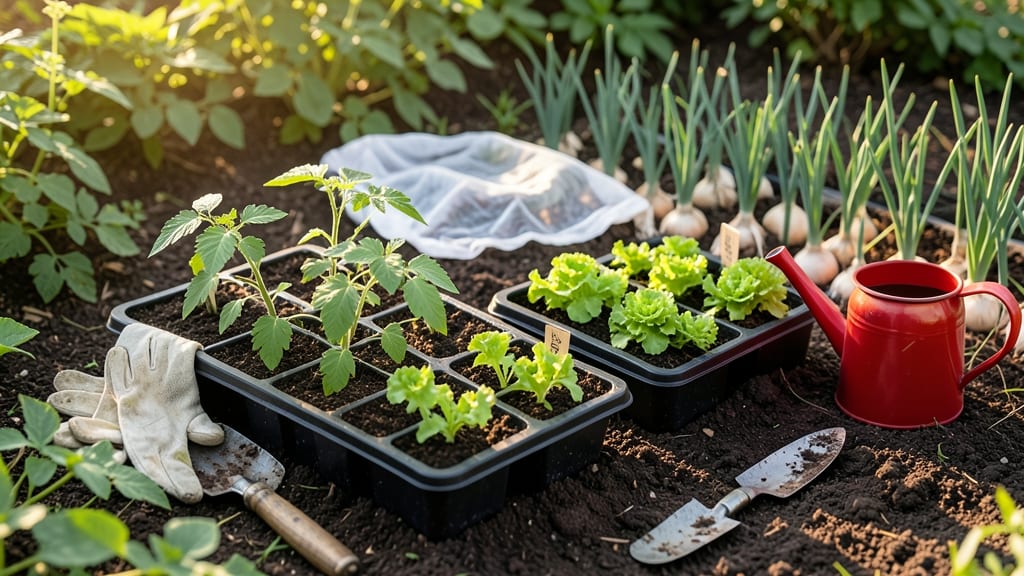
Timing your garden in Kentucky isn't just about throwing seeds in the dirt—it's about knowing exactly when to plant to beat frost, avoid summer stress, and maximize your harvest. With zones ranging from 6a to 7a, your neighbors' gardens might thrive while yours struggles if you miss the window.
I've spent years testing what works in Kentucky's humid valleys and rolling fields, and the difference between a bountiful harvest and a sad, wilted disappointment often comes down to those few critical weeks.
Whether you're a first-time gardener or a seasoned pro, getting the timing right means the difference between tomatoes the size of golf balls and sad, shriveled excuses for fruit.
Here's the game-changer: Kentucky's last frost typically hits around mid-April, but that number shifts dramatically depending on whether you're in Northern Kentucky's cooler hills or Southern Kentucky's warmer valleys.
We'll break down exactly when to plant everything from cool-season greens to heat-loving tomatoes, so you can start strong and keep growing all season long.
Ready to stop guessing and start growing? Let's dive into the zone-specific schedule that'll have your 🌱 General Garden thriving from spring through fall—no frost-burned dreams here.
Kentucky planting zones & last frost dates by region (2024 guide)
Kentucky spans USDA zones 5b through 7a, creating distinct planting windows from the Appalachian Mountains to the Bluegrass Region. Northern Kentucky (zone 5b-6a) faces later last frosts, while Southern Kentucky (zone 6b-7a) enjoys 2-3 extra weeks of growing season.
Knowing your exact last frost date is critical—it determines when to plant warm-season crops like tomatoes and peppers.
For most of Kentucky, the average last frost date falls between April 1 and April 30, but microclimates near lakes or valleys can shift this by 1-2 weeks.
Rural areas tend to frost later than cities due to urban heat islands. Use this guide to align your planting with your specific region’s timeline.
📋 Key Dates to Remember:
- Northern KY (Lexington, Covington): Last frost April 15, first frost October 20
- Central KY (Louisville, Frankfort): Last frost April 1, first frost October 15
- Southern KY (Bowling Green, Paducah): Last frost March 25, first frost October 10
Your microclimate plays a huge role. Gardens near lakes or rivers (like Kentucky Lake) may experience 5-7 fewer frost days annually, while valleys can trap cold air, delaying spring planting by 10 days or more.
To adjust, check local weather stations or use frost-free date calculators from the Kentucky Mesonet.
For cool-season crops like lettuce or spinach, start seeds 4-6 weeks before your last frost date.
In Southern Kentucky, that means mid-February, while Northern Kentucky gardeners should wait until early March. Warm-season crops like peppers and cucumbers need soil temperatures of 60°F+, so hold off until 2-3 weeks after your last frost.
Pro tip: Use biodegradable row covers to extend your planting window by 2-4 weeks in spring or fall. This lets you plant cold-sensitive crops like tomatoes 10-14 days earlier than the traditional last frost date. Just remove covers when plants flower to allow pollination.
Kentucky’s clay-heavy soil also affects planting timing. Amend beds with compost or sand 2-3 weeks before sowing to improve drainage and warm soil faster. Warmer soil = earlier planting for warm-season vegetables. Test your soil’s temperature with a soil thermometer—aim for 60°F+ for tomatoes and 50°F+ for peas.
Don’t forget fall planting! Kentucky’s mild winters allow for late-summer sowings of cool-season crops. Plant broccoli or kale by August 15 in Southern Kentucky or September 1 in Northern regions to harvest before frost. These hardy greens taste sweeter after a light frost, making fall gardening a must-try.
Track your garden’s progress with a planting journal. Note when you sow seeds, transplant seedlings, and harvest crops. Over time, you’ll refine your timing to match your specific microclimate—because while the averages help, your backyard might have its own rules. 🌱
Best crops to plant by month in Kentucky (cool vs. warm seasons)
Kentucky’s spring and fall planting windows are your golden opportunities for a bountiful garden. Cool-season crops like lettuce, spinach, and peas thrive when soil temps hit 40–50°F, while warm-season favorites such as tomatoes, peppers, and beans need soil temps above 60°F to germinate.
Here’s my month-by-month breakdown to keep your garden productive year-round.
Start cool-season crops in late winter (February–March) for an early spring harvest. Leafy greens, broccoli, and carrots can handle Kentucky’s light frosts, but protect them with row covers if temps drop below 25°F.
For warm-season crops, wait until after your last frost date—typically mid-April in Northern Kentucky and late March in Southern Kentucky—to avoid frost damage.
For Kentucky’s iconic crops, like collard greens and black-eyed peas, aim to plant cool-season varieties in early spring (March) and fall (August–September). These heat-tolerant greens can handle Kentucky’s summer humidity better than many other leafy crops.
Meanwhile, tomatoes and peppers should go in late April–early May for optimal growth before summer’s peak heat arrives.
Don’t overlook herbs like basil and cilantro—both love Kentucky’s climate but have opposite timing needs. Basil thrives in warm soil (after last frost), while cilantro bolts in heat, so plant it in early spring or fall.
For flowers, marigolds and zinnias are heat-tolerant and perfect for summer borders, while pansies shine in cool spring and fall gardens.
Pro tip: Use succession planting for bush beans, lettuce, and radishes to ensure a continuous harvest. For example, sow radishes every 2 weeks from March to August—they mature in just 30 days! This strategy maximizes your garden’s productivity and minimizes wasted space.
Kentucky’s fall planting is often overlooked but can be just as rewarding. Broccoli, cabbage, and carrots planted in late summer (August) will yield sweet harvests in October, when many gardeners are already packing up. Just remember: soil temps must drop below 80°F for these cool-season crops to thrive.
🌱 Whether you’re a beginner or seasoned gardener, sticking to this month-by-month guide ensures your Kentucky garden stays ahead of frost and heat—so you can enjoy homegrown harvests all season long!