
Plants
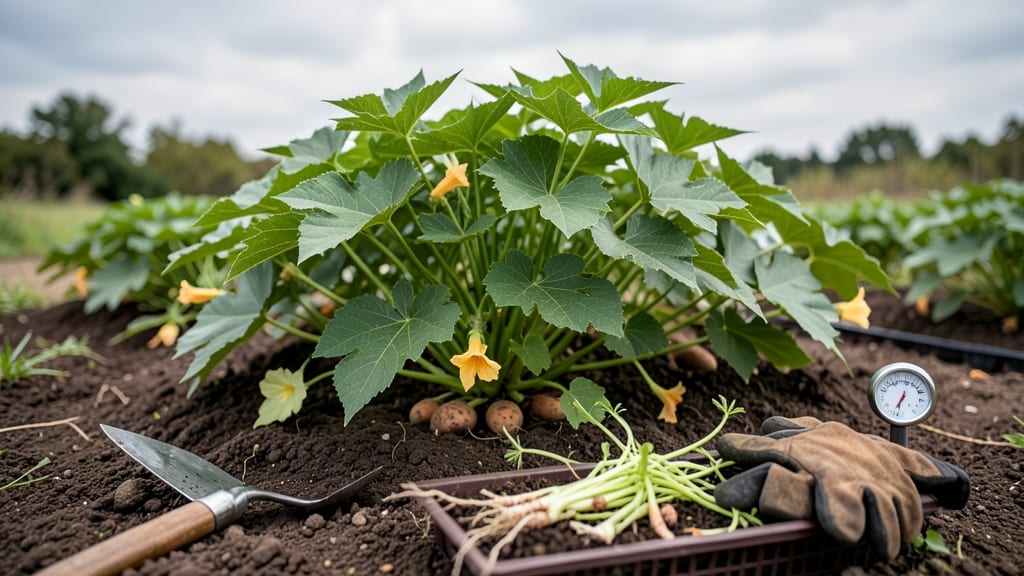
Timing when do you plant sweet potatoes in Texas isn’t just about luck—it’s the difference between a bumper crop and wasted effort. Plant too early, and frost or slow growth can ruin your harvest; too late, and you’ll miss the sweet spot for root development before fall’s first chill.
Texas gardeners know the heat is relentless, but sweet potatoes need that warmth to thrive—so understanding your USDA Zone (8a-11) and local frost dates is critical.
Whether you’re in North Texas or the Rio Grande Valley, the right window ensures your slips (those little sprouted cuttings) grow into plump, flavorful tubers by harvest season.
I’ll break down the ideal planting months for your region, from the cooler North Texas springs to the extended Southern Texas growing seasons. You’ll also learn how to adjust for heat zones, avoid common timing mistakes, and even extend your harvest window for bigger yields.
Ready to grow sweet potatoes that outshine the grocery store? Let’s dive into the perfect timing—and the secrets to a stress-free, high-yield harvest. Your garden (and taste buds) will thank you.
Best months to plant sweet potatoes in Texas for maximum yield
Texas’s long, hot summers and mild winters create a nearly perfect climate for growing sweet potatoes, but timing your planting correctly ensures bigger roots and healthier vines. The ideal window spans March through June, when soil temperatures consistently stay above 65°F—critical for germination and root development.
In North Texas (Zones 8a-8b), where last frost dates hover around March 15, aim to plant after April 1 to avoid late-season frost risks. Meanwhile, South Texas (Zones 9a-11) gardeners can start as early as February and even plant year-round with proper care.
Here’s the key: Soil temperature matters more than air temperature. Use a soil thermometer to confirm readings of 65°F+ before planting slips (sprouted sweet potato cuttings). Cold soil slows growth and invites disease.
March is the sweet spot for most Texans—balancing warm soil with manageable summer heat. Planting in late May or June can still yield harvests, but expect smaller tubers due to shorter growing seasons before frost.
For maximum yields, prioritize early-maturing varieties like Beauregard (90-100 days) if planting in North Texas. In South Texas, late varieties like Jewel (120-150 days) thrive with extended growing seasons.
Pro tip: Extend your growing season in North Texas by using black plastic mulch to warm soil faster. This lets you plant 2-3 weeks earlier than the standard window.
If you miss the spring window, don’t despair—summer planting (July) can still work in South Texas, but prioritize shade cloth during peak heat to protect young plants. Avoid planting after August 15 in most regions; tubers won’t mature before frost.
Remember: Sweet potatoes need 90-150 days to harvest, so calculate backward from your first frost date (typically November 15 in North Texas, December 1 in South Texas). This ensures you’re planting at the right time for a full harvest cycle.
For best results, pair your planting timeline with proper soil prep: loosen soil to 12 inches deep, amend with compost, and maintain a pH of 5.8-6.5. These steps work hand-in-hand with timing to guarantee healthy, high-yielding plants.
How to adjust planting time based on Texas heat zones and variety
Texas’s diverse climate means your sweet potato planting time should vary by USDA zone and variety. In North Texas (Zones 8a-8b), cooler springs delay planting until late March or April, while South Texas (Zones 9a-11) gardeners can start as early as February.
Early-maturing varieties like Beauregard thrive in shorter seasons, while Jewel or Centennial need longer growing periods.
Soil temperature is your best guide—wait until it reaches 65°F at least 6 inches deep. Use a soil thermometer to check, especially in Central Texas (Zones 8a-9a), where March can still bring chilly nights. Heat-tolerant varieties like Georgia Jet handle South Texas’s summer heat better than Porto Rico, which prefers cooler conditions.
| Texas Zone | Best Planting Window | Recommended Varieties | Harvest Window |
|---|---|---|---|
| 8a-8b (North) | Late March–April | Beauregard, Centennial | October–November |
| 8a-9a (Central) | March–May | Jewel, Georgia Jet | September–December |
| 9a-11 (South) | February–June | Porto Rico, Bonita | October–January |
For extended growing seasons, try succession planting in South Texas. Plant slips in February for an early harvest and again in June for a fall crop.
In North Texas, focus on one planting in April to avoid frost risk. Black plastic mulch can warm soil faster, letting you plant 2-3 weeks earlier in cooler zones.
Variety selection also impacts timing. Early-maturing types (90 days) like Beauregard work well in short-season zones, while late varieties (120+ days) like Centennial need South Texas’s longer summers. Check seed packets for days to maturity and adjust planting dates accordingly.
Avoid planting too late—sweet potatoes need 90-150 days to mature. In Zone 8b, a June planting may not yield before frost, while Zone 10 allows year-round planting with proper care. Always account for local frost dates and heat waves when planning.
Container growing offers flexibility for urban gardeners. Use 5-gallon pots and plant slips in April-May across all zones. Containers warm up faster than soil, letting you plant earlier in cooler areas. Just ensure pots have drainage holes to prevent rot.
🍠