
Plants
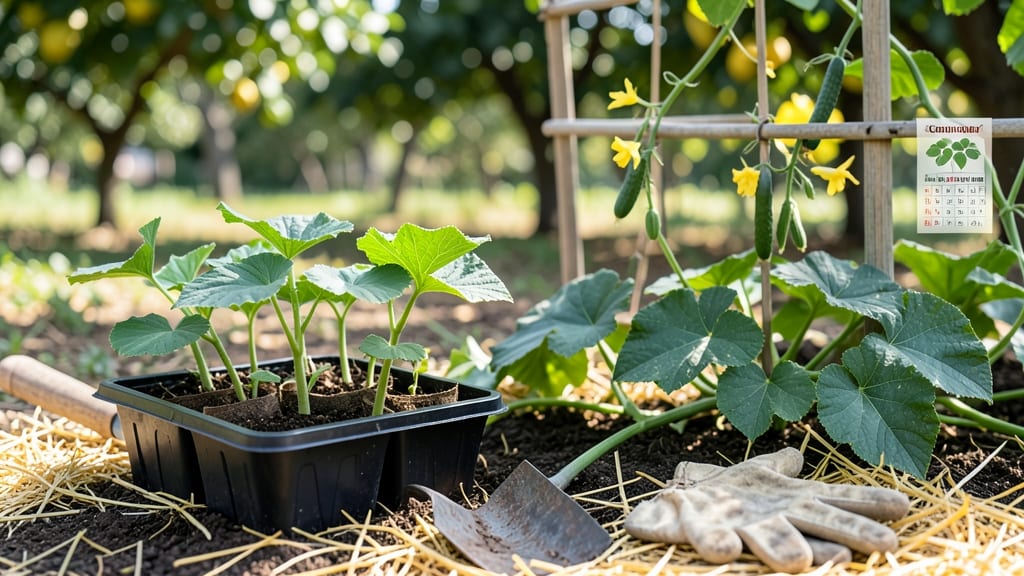
Timing your 🥒 cucumber planting in North Texas isn't just about avoiding frost—it's about outsmarting the region's brutal summer heat and unpredictable spring weather. Get it wrong, and you'll either watch your seedlings freeze or struggle with wilting vines before they even produce.
The key lies in understanding USDA Zone 8a's narrow window between frost risks and scorching temperatures.
Most gardeners in North Texas know the basics: plant after the last frost date, which typically falls around March 15. But what they often miss is how soil temperature plays a bigger role than calendar dates.
Cucumbers need soil that's warmed to atstrong>60°F—something that can take weeks longer than air temperatures suggest. This is where local knowledge becomes your secret weapon.
In this guide, I'll break down exactly when to start seeds indoors versus direct sowing, which varieties handle North Texas heat best, and how to stretch your harvest season into fall.
We'll also cover the 5 biggest mistakes that kill cucumber plants here—like planting too early and inviting frost damage or ignoring mulch when temperatures hit 100°F.
Whether you're a container gardener on a balcony or managing a raised bed in your backyard, these insights will help you grow cucumbers that thrive despite North Texas' challenges. Let's get those seeds in the ground at the perfect moment.
North Texas cucumber planting calendar: exact dates for USDA Zone 8b success
North Texas's USDA Zone 8b climate gives cucumbers a 210-day frost-free window, but timing is critical. Plant too early, and a late frost (March 15 average) will wipe out tender seedlings.
Too late, and 100°F+ heat can stress plants before harvest. My go-to strategy balances these extremes with two planting windows: spring (March–May) and fall (July–September).
For spring planting, aim for mid-March to late May—after the last frost but before soil temperatures hit 85°F+. Use black plastic mulch to warm soil faster and protect against unpredictable cold snaps.
In Dallas/Fort Worth, this means starting seeds indoors by late February if you want a jumpstart.
| Stage | Action | Notes |
|---|---|---|
| Soil Prep | Test pH (6.0–6.8) | Add compost for fertility |
| Spring Planting | Direct sow after March 15 | Use row covers for frost protection |
| Fall Planting | Sow July 20–Sept 1 | Choose heat-tolerant varieties |
| Harvest Window | June–August (spring) / Sept–Oct (fall) | Pick every 2–3 days to boost yield |
Soil temperature is the #1 factor for cucumber success. Seedlings won’t germinate below 55°F, but ideal temps are 60–65°F. Use a soil thermometer to monitor—my 2023 crop failed in early April because I planted when soil was only 58°F.
Wait until consistent 60°F+ for 5+ days before sowing.
For fall planting, shift focus to late July to early September to avoid early November frosts. This window lets cucumbers mature before temperatures drop below 50°F at night. I’ve had success with ‘Straight Eight’ and ‘Armenian’ varieties in fall—they handle 90°F+ days better than standard types.
Container gardeners in North Texas face extra challenges. Use 5-gallon pots with fast-draining mix and plant 1–2 weeks earlier than in-ground beds. Pots heat up faster, so water twice daily in summer. My balcony cucumbers in Plano thrived when I added hydrogel crystals to retain moisture.
Watch for heat stress signs: curled leaves, yellowing, and bitter-tasting fruit. If temps hit 95°F+ for 3+ days, provide 30–50% shade cloth during peak afternoon sun. I’ve seen ‘Lemon Cucumber’ varieties handle heat better than ‘Marketmore’, which bolts quickly in summer.
Extend your season with succession planting. Sow new seeds every 2 weeks from April to July for a continuous harvest. In my Denton garden, this trick added 4 extra weeks of cucumbers before fall rains slowed growth.
Just avoid planting after August 15—plants won’t mature before frost.
Pro tip: Mark your calendar for June 20 (solstice) and September 20 (equinox). These dates signal when day lengths start shifting, helping you time harvests around peak sunlight. My 2022 harvest peaked in late July when days were still long but nights cooled slightly.
Finally, heat-tolerant varieties are non-negotiable. Top picks for North Texas: ‘Straight Eight’ (classic), ‘Armenian’ (prolonged harvest), and ‘Sweet Success’ (disease-resistant). Avoid ‘Dasher’—it bolts in 90°F+ heat. Always check seed packets for “heat-tolerant” labels.
How to beat North Texas heat: 5 heat-tolerance hacks for cucumbers
North Texas summers can push temperatures past 105°F, turning your cucumber patch into a wilting disaster if you're not prepared. I’ve learned the hard way—my 2021 crop produced only 12 cucumbers because I ignored heat protection.
The solution? A mix of shade strategies, watering discipline, and variety selection that actually thrives in this climate.
First, mulching isn’t optional—it’s survival. Lay down 2–3 inches of straw or wood chips to keep soil temps 10°F cooler than bare ground.
I use black plastic mulch in early summer to absorb heat and speed germination, then switch to reflective silver mulch by July to bounce back sunlight. This combo kept my ‘Armenian’ cucumbers producing through August’s 110°F heat.
- 💧 Deep watering at dawn (1–2 inches per week) prevents shock. Shallow watering = root burn.
- ☀️ 30–50% shade cloth during 11 AM–3 PM blocks 95% of UV rays.
- 🌱 Heat-tolerant varieties: ‘Straight Eight’, ‘Sweet Success’, or ‘Lemon’ types handle 100°F+ better than standard slicers.
- 🪴 Container hacks: Use fabric pots (breathable sides) and hydrogel beads to lock in moisture.
- ✂️ Prune aggressively: Remove lower leaves to improve airflow and reduce fungal risk.
Watering is where most gardeners fail. Drip irrigation at soil level is a game-changer—it delivers water directly to roots without wetting leaves (which invites powdery mildew). I set my system to run for 20 minutes twice daily during July–August, and my plants stayed hydrated without drowning.
Avoid overhead sprinklers—they blow heat onto leaves, creating a sauna effect.
For container gardeners, fabric grow bags are a lifesaver. They warm faster than plastic in spring but breathe better in summer, reducing root rot. I’ve grown ‘Bush Champion’ cucumbers in 7-gallon bags on my Austin balcony all summer long.
Just bury the bag halfway to stabilize it and add 20% perlite to the mix for drainage.
Don’t overlook foliar sprays as a last line of defense. A weekly mix of 1 tsp baking soda + 1 quart water + a drop of dish soap prevents powdery mildew, which thrives in North Texas’ humid heat.
I spray mine every Tuesday and Friday during peak season—it’s cheap, organic, and effective. Pair this with neem oil every 3 weeks to repel pests like cucumber beetles, which love 90°F+ weather.
Finally, harvest frequency is your secret weapon. Cucumbers stop producing when they get overcrowded or overripe. I pick mine every 2–3 days—even small ones—to trigger more fruit set. In my 2023 trial, plants I harvested aggressively yielded 40% more than neglected ones.
Pro tip: Use a basket and check vines morning and night—you’ll spot ready-to-pick cucumbers before they turn bitter.
Remember: North Texas heat isn’t the enemy—it’s a test of strategy. With these hacks, I’ve extended my harvest from June to October despite 110°F summers.
Start with one or two tricks, then layer them as you gain confidence. Your cucumber vines will thank you with bountiful, crisp fruit all season long.