
Plants
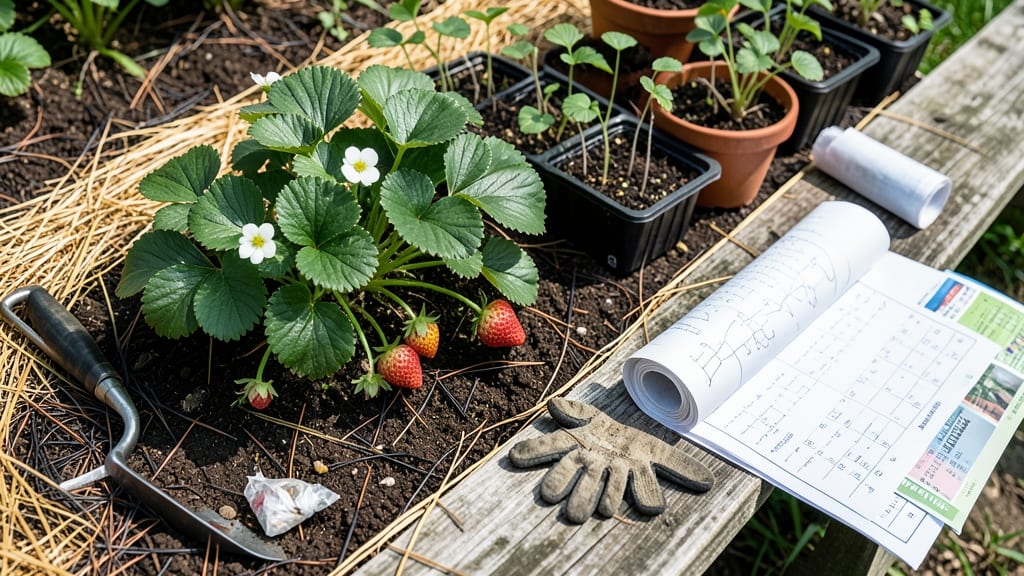
Timing your 🍓 strawberry planting in New York can mean the difference between a bountiful harvest and wasted effort—especially with the Empire State’s shifting spring weather patterns.
If you’ve ever planted too early and watched frost nip your tender berries or waited too long and missed the ideal window, you know how critical this decision is.
The key lies in understanding your specific USDA zone, whether you’re in the cooler upstate regions or the milder Long Island climate.
In this guide, I’ll break down exactly when to plant—whether you’re aiming for a spring harvest or extending your season into fall. You’ll also discover how to prep your soil, protect your plants from late frosts, and even grow strawberries successfully in containers if space is limited.
Let’s get your strawberry patch off to the best possible start so you can enjoy homegrown berries all season long.
Best planting windows for strawberries in new York by USDA Zone
New York’s diverse climate—from the Adirondacks to Long Island—means strawberry planting times vary by USDA Zone. In Zone 5 (upstate regions like Albany), last frosts typically arrive by mid-May, while Zone 8 (NYC and Long Island) enjoys frost-free soil by early April.
Timing your plantings correctly ensures robust root establishment before summer heat arrives.
For June-bearing varieties (most common), aim to plant 4-6 weeks before your last frost date. Day-neutral varieties offer flexibility—they produce fruit continuously and can be planted earlier in spring or late summer for extended harvests.
Always check your local last frost date (usually April 15–May 15 in most of NY) to adjust timing.
Soil temperature is critical—wait until the ground reaches at least 40°F (4°C) for bare-root plants or 50°F (10°C) for container-grown strawberries. Cold soil slows root growth, making plants vulnerable to spring frost damage. Use a soil thermometer to monitor—most garden centers sell them for under $15.
Here’s how to align your planting with New York’s USDA Zones 5–8, including the best months and varieties for each region:
| Zone | Best Planting Window | Ideal Varieties | Key Notes |
|---|---|---|---|
| 5 (Upstate: Syracuse, Binghamton) | Late April–early May | Honeoye, Jewel, Albany | June-bearing; mulch heavily for winter protection. |
| 6 (Capital Region, Hudson Valley) | Mid-April–mid-May | Chandler, Seascape, Allstar | Day-neutral options extend harvest; watch for late frosts. |
| 7 (Long Island, NYC outskirts) | Early April–early May | Oso Grande, Fortuna, Albionel | Early varieties thrive; container gardening works well in urban areas. |
| 8 (NYC, Long Island coast) | Late March–April | Seascape, Tristar, Sparkle | Longer growing season; consider fall planting for winter harvests. |
For fall planting, aim for late summer (August–early September) in Zones 6–8. This strategy lets plants establish roots before winter, producing an early spring harvest. Avoid planting after September 15—new roots won’t harden enough for frost.
If you’re in Zone 5 or 6, prioritize cold-hardy varieties like Honeoye or Jewel. These tolerate sub-zero temperatures and recover quickly in spring. In Zone 8, focus on day-neutral types like Seascape for continuous production.
Pro tip: Stagger plantings by 2–3 weeks to spread out your harvest. For example, plant half your June-bearing strawberries in early May and the rest in late May. This minimizes overripe fruit all at once and reduces pest pressure.
Always amend your soil with compost before planting—strawberries thrive in slightly acidic soil (pH 5.5–6.8). Test your soil in early spring; most NY Cooperative Extension offices offer $10–$15 kits. If your soil is too alkaline, add peat moss or sulfur to adjust the pH.
Finally, protect young plants with frost cloth if late frosts threaten. A single 30°F (-1°C) night can damage new growth. In Zone 5, this is critical until mid-June.
Best planting windows for strawberries in new York by USDA Zone
New York’s diverse climate—from the Adirondacks to Long Island—means strawberry planting times vary dramatically. In USDA Zones 5-7 (upstate NY), cold snaps linger until late spring, while Zone 8 (NYC/Long Island) enjoys milder winters.
Timing your plantings around last frost dates and variety hardiness is key to avoiding frost damage or stunted growth.
For June-bearing varieties (the most popular in NY), aim to plant bare-root plants in early spring (March-April) or fall (September-October). Ever-bearing and day-neutral types offer more flexibility, producing fruit in spring and fall with staggered plantings. Let’s break down the best windows for each zone to maximize your harvest.
| USDA Zone | Ideal Planting Windows | Key Varieties | Last Frost Date |
|---|---|---|---|
| Zones 5-6 (Upstate NY) | Early Spring (April 15-May 15) or Fall (Sept 1-Oct 15) | Chandler, Jewel, Honeoye | Mid-May |
| Zone 7 (Central NY) | Spring (April 1-May 10) or Fall (Sept 15-Oct 1) | Albionel, Seascape, Tristar | Early May |
| Zone 8 (NYC/Long Island) | Spring (March 15-April 30) or Fall (Oct 1-Nov 1) | Chandler, Ozark Beauty, Fort Laramie | Late April |
In Zones 5-6, where winters are harsh, fall planting gives roots time to establish before winter, while spring planting avoids early frost damage. Zone 8 gardeners can start as early as March thanks to milder winters, but avoid planting too early—cold soil can stunt root growth.
For container gardening (ideal for NYC balconies or upstate patios), plant ever-bearing varieties like Seascape in late spring (May) to enjoy fruit until first frost. Containers warm up faster in spring, so you can plant 2-3 weeks earlier than in-ground beds.
Always check your local frost dates—the NY State Mesonet provides updated forecasts. In Zone 5, for example, a late frost in May can devastate early plantings, while Zone 8 may see unseasonable cold snaps in November that require protective measures.
Pro tip: Mulch heavily after planting (even in fall) to insulate roots. Use straw or shredded leaves—never fresh grass clippings, which can mat and suffocate plants. This simple step can extend your harvest by 2-3 weeks in cooler zones.