
Plants
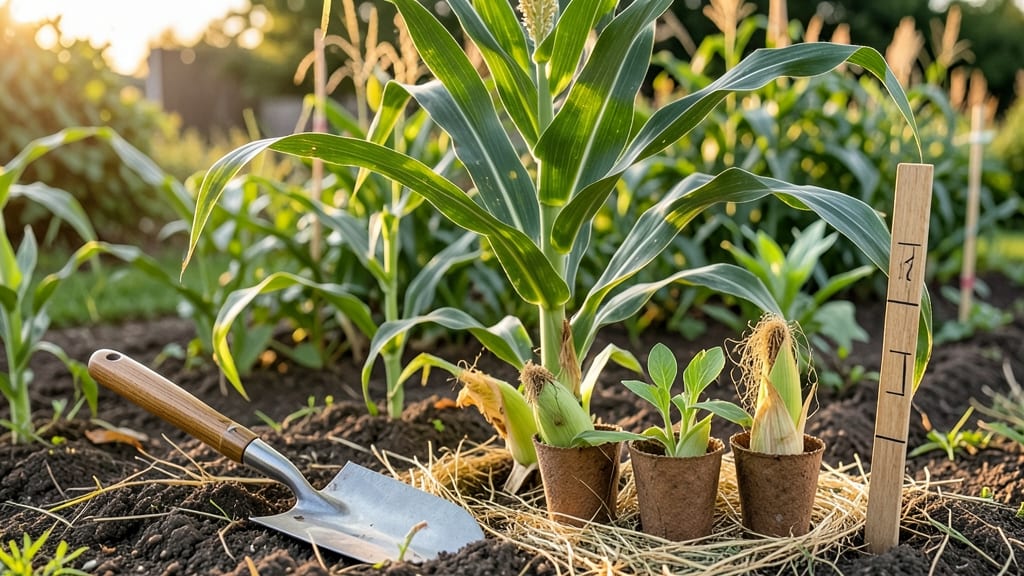
Timing your corn planting in Arkansas can make or break your harvest—get it right, and you’ll enjoy a bounty of golden 🌽 ears all season. With the state’s USDA Zones 7a-8a and unpredictable spring weather, knowing the ideal window is the key to avoiding frost damage or stunted growth.
Most Arkansas gardeners should plant corn between mid-April and early May, once soil temperatures hit 60°F and the last frost (typically around March 15) has passed.
But here’s the catch: Northern Arkansas (Zone 7a) plays it safer with late April starts, while southern regions (Zone 8a) can begin as early as late March.
Why does this matter? Corn thrives on warmth and consistency—plant too early, and cool soils delay germination. Plant too late, and your crop may struggle to mature before Arkansas’ first frost in November.
I’ll break down the exact dates, soil prep tips, and even how to adjust for Arkansas’ humid summers.
Ready to grow corn like a local? Let’s dive into the zone-specific planting schedule that’ll give you the best chance for a thriving crop—no guesswork required.
Optimal Arkansas corn planting dates by USDA zone (with frost risk charts)
Arkansas spans USDA zones 7a through 8a, creating distinct planting windows for corn based on frost risk and soil warming. For northern Arkansas (7a), where last frosts average mid-April, wait until mid-to-late April to plant.
In southern Arkansas (8a), where last frosts occur by early April, you can start as early as late March—but only if soil temperatures exceed 60°F.
Corn is sensitive to frost, so planting too early risks stunted growth or death. The Arkansas Agricultural Extension Service recommends using a soil thermometer to confirm readiness—corn won’t germinate well below 55°F.
In zone 7a, aim for April 15–May 1; in zone 8a, March 20–April 15 works best for most varieties.
Here’s how Arkansas’ frost-free growing season breaks down by zone:
For northern Arkansas gardeners, planting in early April risks frost damage, but late April ensures warmer soil. Use black plastic mulch to warm soil faster if you’re eager to start earlier.
In southern Arkansas, where winters are milder, you can even try late February plantings for early-maturing varieties, but monitor soil temps closely.
Pro tip: Arkansas’ humidity and clay soils can delay soil warming. If your soil stays below 60°F by mid-April, consider using row covers or planting in raised beds to speed up germination.
The Arkansas Cooperative Extension suggests testing soil moisture too—corn needs 1–2 inches of water per week once established, but soggy soil can rot seeds.
If you miss the spring window, successive plantings every 2 weeks can extend your harvest into summer. For example, plant once in late April and again in early June to stagger maturity.
This works best in zone 8a, where summers are long and hot enough to support a second crop.
Always check your local Arkansas Agricultural Extension office for microclimate-specific advice. For instance, mountainous regions (like the Ozarks) may have 1–2 weeks later frost dates than lowland areas. Planting too early in these zones can mean failed germination or stunted plants.
For visual guidance, use the Arkansas Climate Office’s frost probability maps to pinpoint your exact risk zone. Aim to plant when the 10% frost probability line has passed—this gives you a 90% chance of frost-free growth.
Finally, remember that corn thrives on heat. In Arkansas, July and August are ideal for ear development, so planting too late (after June 1) may result in smaller ears or poor kernel fill.
Balance your planting date with your goal: early plantings for larger ears, late plantings for extended harvests.
How to adjust planting dates for Arkansas’ microclimates (heat, rain, and soil factors)
Arkansas’ humid subtropical climate and variable soil types demand flexibility in your corn planting schedule. Unlike northern states, Arkansas’ late spring rains and clay-heavy soils can delay ideal planting windows.
If you plant too early, cold snaps or soggy soil may stunt germination. If you wait too long, summer heat arrives before ears mature.
Start by checking soil temperature—corn seeds need 60°F+ soil to sprout reliably. Use a soil thermometer (or press your hand into the ground; if it feels warm like bathwater, it’s ready). In northern Arkansas (Zone 7a), aim for mid-April to early May after the last frost date.
In southern Arkansas (Zone 8a), you can plant as early as late March.
Another critical factor is humidity and rainfall. Arkansas averages 50+ inches of rain annually, and late spring downpours can turn soil into mud, suffocating seeds.
To mitigate this, plant in raised beds or on slightly elevated ground. If your garden floods easily, consider container growing or delaying planting until soil dries out.
For clay-heavy soils common in Arkansas, improve drainage by amending beds with compost or aged manure before planting. Clay holds moisture but also compacts easily, slowing root growth.
If your soil feels dense, mix in sand or perlite to create air pockets for roots. This adjustment can shave off 1-2 weeks of potential growth delays.
⚠️ Watch for Late Frost Risks
Northern Arkansas (Zone 7a) can experience frost as late as April 15. If you plant early and a frost hits, young corn may survive if it’s taller than 4 inches, but ears could be stunted. Use row covers for extra protection if frost is forecasted after planting.
Southern Arkansas (Zone 8a) rarely sees frost after March 15, but heat waves can arrive early. If temperatures exceed 95°F before pollination, corn may struggle to produce ears. Plant heat-tolerant varieties like 'Pioneer 39T24' to reduce risks.
If you miss the ideal window, don’t panic—Arkansas gardeners can still plant succession crops every 2 weeks until mid-July. Late plantings won’t yield full-size ears but may produce smaller, tender corn perfect for boiling or grilling.
Just ensure you choose short-season varieties (e.g., 'Silver Queen' at 70 days) to avoid frost before harvest.
Finally, monitor local weather patterns using tools like the Arkansas Agricultural Extension Service’s frost maps or apps like Old Farmer’s Almanac. Adjust your schedule by 1-2 weeks if forecasts show unusual cold snaps or prolonged rain. Flexibility is key—Arkansas’ climate rewards adaptable gardeners with bountiful corn harvests! 🌽