
Plants
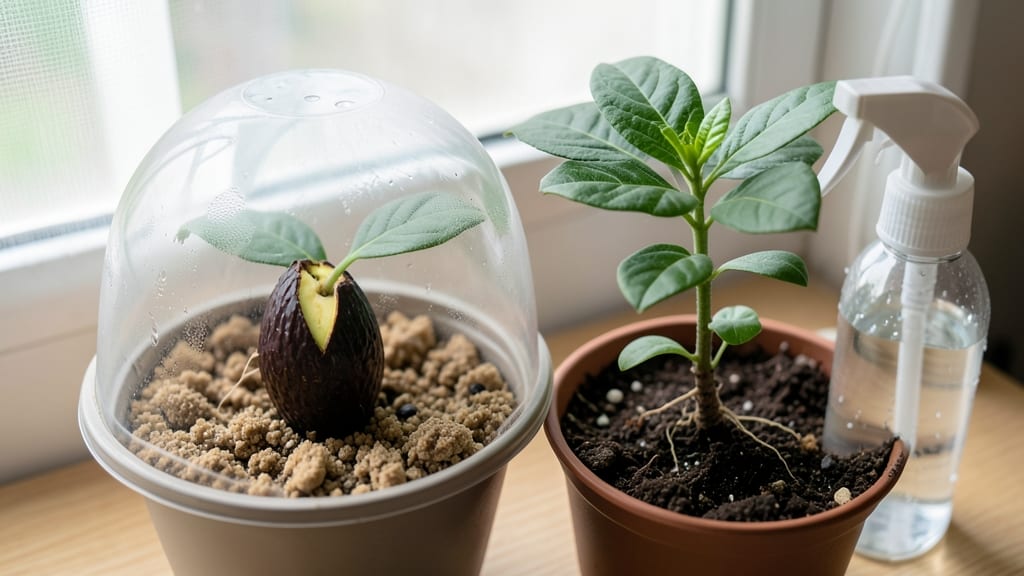
Planting an avocado seed in soil at the wrong time can turn your green thumb into a waiting game—or worse, a failed experiment. Whether you're dreaming of a 🥑-bearing tree or just curious about the process, timing is the key to success.
Most gardeners start their avocado seeds indoors 6-8 weeks before the last frost in spring, giving seedlings a head start before transplanting outdoors. But the exact window depends on your climate zone—Zone 8+ growers can plant year-round, while cooler regions should wait until soil temperatures hit 60°F.
Here’s what you need to know: from indoor germination tricks to outdoor transplanting tips, I’ll break down the best months for your area and how to avoid common pitfalls. Let’s get those seeds sprouting on schedule!
Ready to turn that pit into a tree? The first step is knowing when to plant—and trust me, patience pays off with a thriving avocado seedling. Let’s dive into the timeline that works for your climate.
Avocado seed germination timeline: how long until sprouting?
Planting an avocado seed in soil is just the first step—understanding the germination timeline ensures you don’t rush or overlook critical care stages. From seed preparation to first leaf emergence, timing varies based on temperature, moisture, and your seed’s health.
On average, expect 2 to 8 weeks for sprouting, but patience is key since avocado seeds grow slowly compared to other plants.
Before planting, your avocado pit must undergo a pre-germination soak. Place the seed between two toothpicks and suspend it over a glass of water, keeping the bottom half submerged.
This mimics natural conditions and encourages root growth. After 2 to 4 weeks, you’ll notice a 1- to 2-inch root emerging—this is your cue to transition to soil.
The moment your root reaches 1 inch long, it’s time to plant in well-draining potting mix. Use a small pot with drainage holes to prevent root rot.
Bury the seed halfway up its side (not upright) to avoid suffocating the emerging stem. This partial burial method mimics natural soil conditions and promotes faster growth.
Once planted, maintain a consistent soil temperature of 70–80°F for optimal germination. Use a seedling heat mat if your home runs cooler. Keep the soil moist but not soggy—overwatering is a common killer of young avocado seeds.
A spray bottle works best for gentle hydration without displacing the delicate seed.
- Week 1-2: Soak pit in water (root emergence begins)
- Week 3: Root reaches 1 inch (plant in soil)
- Week 4-6: First leaves sprout (keep soil moist)
- Week 6-8: True leaves form (transplant if needed)
- Month 3+: Stem hardens (outdoor acclimation begins)
During the first 4 weeks, your seedling will focus on root development before shooting upward. This is why many gardeners see no visible growth for weeks—don’t assume it’s failed!
Once the first true leaves (not the initial seed leaves) appear, you’re in the clear. These leaves will be broad and glossy, signaling healthy photosynthesis.
Light plays a crucial role at this stage. Place your seedling near a south-facing window or under grow lights for 12–14 hours daily. Avocado seedlings crave bright, indirect light to prevent legginess.
If you notice yellowing leaves, it’s a sign of too much direct sun or overwatering. Rotate the pot weekly for even growth.
By 8–12 weeks, your seedling should be 6–12 inches tall with a sturdy stem. This is the perfect time to harden it off for outdoor planting if your climate permits.
Hardening off means gradually exposing the seedling to outdoor conditions over 7–10 days to avoid shock. Start with 1–2 hours daily in partial shade and increase exposure.
Remember, avocado seeds are notoriously slow growers compared to other fruit trees. While some may sprout in 2 weeks, others take 3 months. Factors like seed freshness, soil quality, and temperature consistency all influence timing.
If your seed hasn’t sprouted after 10 weeks, it may not be viable—don’t hesitate to start over with a new pit.
Patience and consistency are your best tools. With the right timing and care, your avocado seedling will reward you with lush growth and eventually, the chance to grow your own fruit. Next, we’ll dive into the best months to plant based on your climate zone to maximize success. 🌿
Best months to plant avocado seeds by USDA climate zones
Timing your avocado seed planting by USDA climate zone is critical—frost, heat waves, and soil temperature all impact success. In warmer zones (8-11), you can plant year-round, but spring (March–May) is ideal for faster germination.
Cooler zones (5-7) demand late spring planting (May–June) to avoid frost damage. Always wait until soil temperatures hit 60°F+ before planting outdoors.
For indoor starters, begin your avocado pit’s water soak in winter (January–February) so seedlings are ready for outdoor transplant by spring. This head start ensures your seedling reaches 6+ inches tall before last-frost dates.
In Zone 10+, you can plant directly outdoors in fall (September–November) for a winter-to-spring growth spurt.
Here’s a zone-by-zone breakdown to guide your planting schedule:
| USDA Zone | Best Planting Window | Soil Temp Requirement | Key Consideration |
|---|---|---|---|
| Zones 8–11 | Year-round (spring preferred) | 60°F+ | Avoid summer planting—heat stress slows growth |
| Zones 5–7 | Late spring (May–June) | 65°F+ | Hardiness varies—protect from frost with mulch |
| Zones 4 | Greenhouse only (spring) | 70°F+ | Outdoor planting risky—seedlings rarely survive winter |
In Zones 8–11, where frost isn’t a threat, focus on planting during cooler months (September–November) to give seedlings a 6–8 week head start before summer’s peak heat.
Overwatering in these zones is a common mistake—avocado seeds rot quickly in waterlogged soil. Use a mix of cactus soil and perlite for drainage.
For Zones 5–7, prioritize late spring planting after your last frost date. Test soil readiness by pressing your finger 2 inches deep—if it feels cool, wait a week.
Young seedlings in these zones need row covers if nighttime temps drop below 50°F. A 4–6 week indoor start (soaking pit in January) ensures transplant-ready seedlings by May.
If you live in Zone 4 or colder, growing avocados from seed is challenging but not impossible. Start seeds indoors under grow lights in March and transplant only after soil warms to 70°F+.
Expect slower growth—these seedlings may take 2–3 years to reach outdoor-hardy sizes. Consider container growing for mobility during cold snaps.
Pro tip: Monitor local microclimates. A south-facing wall or greenhouse can extend your planting window by 2–4 weeks in cooler zones. Always err on the side of planting later rather than early—avocado seedlings recover poorly from cold stress.
With the right timing, your seedling will thrive and reward you with lush foliage (and hopefully fruit!) in 5–10 years. 🌳