
Plants
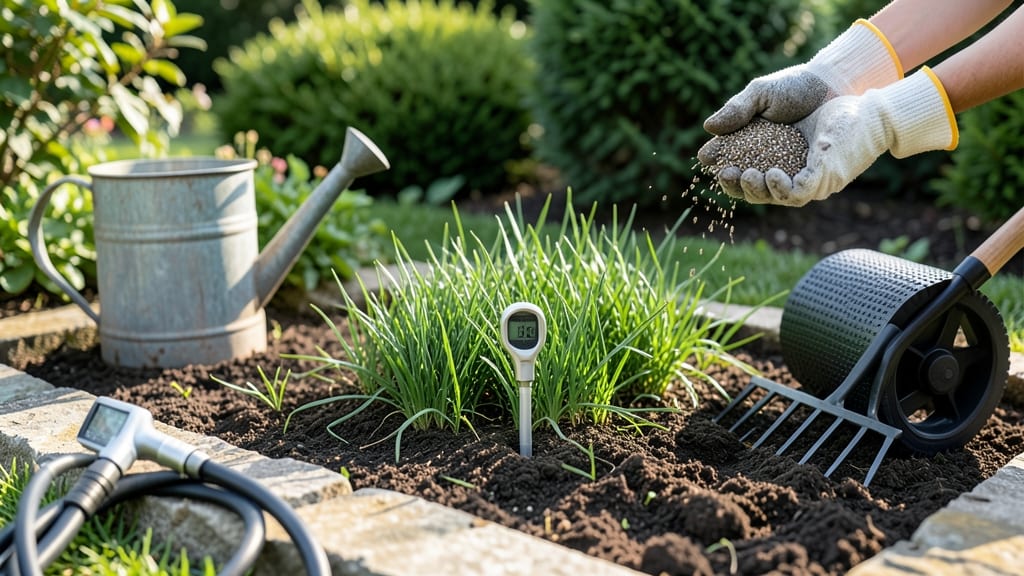
Planting your spring grass at the wrong time can mean weak roots, patchy growth, or even wasted seeds—but getting the timing right is the secret to a thick, green lawn all season.
The key? Waiting for soil temperatures to warm up and frost to fade completely, especially in zones like 6a where early chills can stall growth.
Most gardeners make the mistake of rushing in too early, only to watch their seeds rot or sprouts freeze. I’ve learned the hard way that patience pays off—planting 4-6 weeks before your last frost date (typically mid-April in many regions) gives grass the stable conditions it needs to take root.
In this guide, I’ll break down the exact soil temperature thresholds (40-50°F for cool-season grasses, 60-70°F for warm-season), how to test your soil, and when to adjust for regional differences.
You’ll also discover pro tips for soil prep, watering schedules, and avoiding common pitfalls that sabotage even the best-laid plans.
Ready to transform your lawn from patchy to picture-perfect? Let’s dive into the step-by-step rules that’ll have your grass thriving by summer—no guesswork required.
Ideal soil temperature for planting grass in spring (exact rules by region)
Planting grass at the wrong time in spring can leave your lawn thin and weak—but getting the soil temperature right ensures strong roots and vibrant growth.
The key is understanding when your grass type thrives: cool-season grasses (like Kentucky bluegrass) need soil between 40-50°F, while warm-season grasses (like Bermuda) prefer 60-70°F. Northern climates often hit the sweet spot in early spring, while Southern regions may wait until late spring.
Testing your soil temperature is easier than you think. Use a soil thermometer (insert 4 inches deep) or check local weather reports for soil temp forecasts. If you're planting in USDA Zone 6a (like many Midwest regions), aim for late March to early April.
For colder zones (e.g., Zone 4), wait until after the last frost when soil warms to 45°F consistently.
Regional differences matter! In the Northeast, soil may warm slowly, so plant cool-season grasses as soon as the ground is workable (even with light frost at night). In the Southeast, warm-season grasses like Zoysia should wait until soil hits 65°F—often May or June.
Always adjust for your last frost date (check the National Weather Service for your area).
Here’s a quick rule of thumb: If you can press your hand into the soil and feel it’s warm but not hot, it’s likely ready for cool-season grass. For warm-season types, the soil should feel almost too hot to touch—like a sunny sidewalk.
Pro tip: Plant in the morning when soil temps are cooler to reduce stress on seeds.
| Grass Type | Ideal Soil Temp (°F) | Best Planting Window | Regions |
|---|---|---|---|
| Cool-Season (Fescue, Bluegrass) | 40–50°F | Early spring (3–4 weeks after last frost) | Northern US/Canada (Zones 3–6) |
| Warm-Season (Bermuda, Zoysia) | 60–70°F | Late spring/early summer (after soil warms) | Southern US (Zones 7–10) |
| Transition Zone (Tall Fescue) | 50–60°F | Late April–May (flexible timing) | Midwest/Southwest (Zones 6–8) |
🌱 Pro Tip: Use a soil thermometer for accuracy—don’t guess!
One common mistake? Planting too early when soil is still cold or too late when weeds take over. For example, in Zone 5, planting tall fescue in February might mean seeds rot in 32°F soil.
Conversely, waiting until June in the Northeast gives weeds a head start. The solution? Monitor soil temps daily and plant when conditions align with your grass type’s needs.
If you’re unsure about your region’s timing, check your local cooperative extension service—they provide free soil temp data and planting guides tailored to your area.
For example, Penn State Extension recommends planting cool-season grass in Pennsylvania by April 15, while Texas A&M suggests waiting until May 1 for warm-season types. Local expertise trumps general rules!
Another critical factor is moisture retention. Cold soil holds moisture longer, which can delay germination. If your soil feels damp but not soggy at 4 inches deep, it’s ready.
Use a moisture meter if you’re unsure—aim for 40-50% moisture for cool-season grass. For warm-season types, slightly drier soil (30-40% moisture) prevents fungal issues.
Remember: Soil temperature isn’t the only factor—air temperature matters too. If nights dip below 40°F after planting, cover seeds with a lightweight straw mulch to protect them. This is especially important in Zone 4 or colder, where frost can linger into May.
Always plant when both soil and air temps are stable for 5-7 days post-seeding.
For a foolproof approach, combine soil temp checks with moon phase planting. The waxing moon (when the moon is growing) is ideal for root crops and grass—roots grow stronger during this phase.
Pair this with your soil temp data, and you’ll have a lush lawn by summer. Start testing your soil now, and you’ll be ready to plant just as conditions perfect!
Spring grass planting timeline: frost-free days, moon phases & seed variety impact
Timing your grass planting to the frost-free window is the #1 factor separating a thick, vibrant lawn from a patchy disappointment. For cool-season grasses like Kentucky bluegrass or fescue, aim to plant 3-4 weeks before your last expected frost—typically mid-March to early April in most U.S. regions.
Warm-season grasses like Bermuda or Zoysia, however, should wait until soil reaches 60-70°F, usually late spring or early summer.
I’ve learned the hard way that planting too early risks frost damage, while waiting too long means missed growing opportunities. The key is balancing soil warmth with moisture availability—spring showers help, but soggy soil can delay germination.
Check your local last frost date (use the Old Farmer’s Almanac) and count backward for cool-season grasses.
🌱 Pro Tip: Use the moon phase to your advantage! Planting during the waxing moon (when the moon is growing) encourages root growth. For example, a March waxing moon (around March 10-14) is ideal for cool-season grasses in most zones.