
Companion Plants
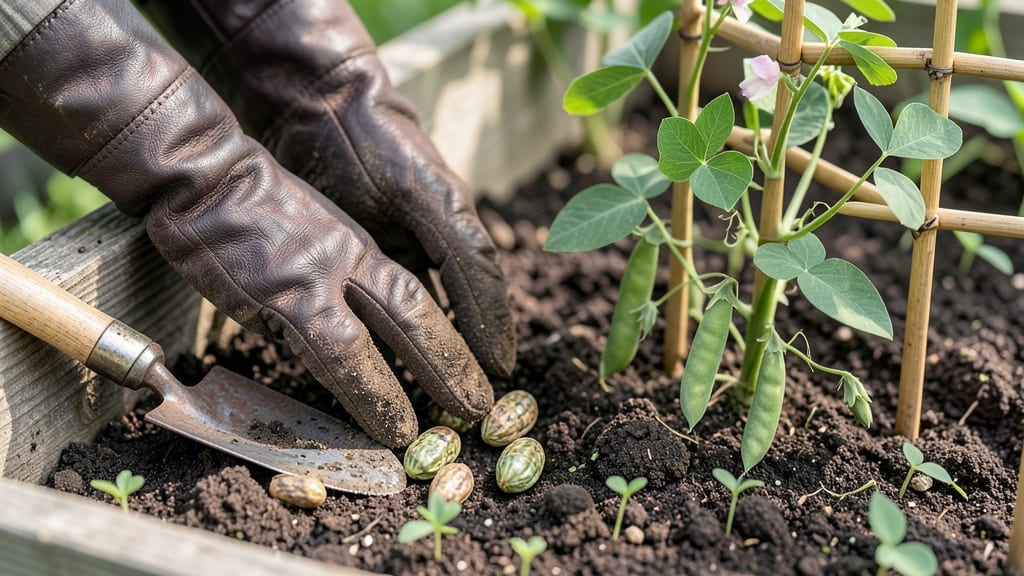
If you're wondering when to plant peas in Zone 6, timing is everything for those sweet, tender pods you crave. Peas love cool weather, so planting too early risks frost damage, while waiting too long means heat stress.
The key is getting them in the ground 4-6 weeks before your last frost date—typically March to early April for most of Zone 6.
In Zone 6 (General), where frost can linger until mid-April, peas thrive when soil temperatures hit 40-50°F. That means no more guessing—just check your local frost-free timeline and count backward.
For a second harvest, late summer planting (August) works too, but you’ll need to act fast before fall frosts arrive.
Don’t let common mistakes derail your harvest. Whether you’re a first-timer or a seasoned gardener, knowing the exact window for planting peas in Zone 6 ensures you skip the stunted growth and enjoy a bumper crop. Let’s break down the precise steps to get it right every time.
From soil prep to frost protection, I’ll share the exact strategies I use to maximize my pea yield. Ready to turn your garden into a pea powerhouse? Let’s get started.
Zone 6 pea planting timeline: frost dates & soil temperature rules
Peas thrive in cool-season conditions, making them perfect for early spring planting in Zone 6. However, timing is critical—plant too early, and frost will kill seedlings; too late, and you’ll miss the 60-75 day harvest window. The key? Focus on soil temperature and last frost dates.
In Zone 6, the average last frost date falls between mid-April and early May, but this varies by microclimate and elevation. For example, higher elevations (like the Appalachians) may see frost a week later than lower areas (like central Ohio).
Always check your local USDA frost map for precision.
Peas need soil temperatures between 40°F and 50°F to germinate properly. Use a soil thermometer to confirm—if temps are below 40°F, wait a few days or use black plastic mulch to warm the soil faster. Cold soil slows germination and invites rot diseases.
Pro Tip: Start seeds 4-6 weeks before your last frost date. For most of Zone 6, this means planting in late February to early April. If you’re in a shorter-season area (like Zone 6a), aim for late March to ensure harvest before summer heat sets in.
| Stage | Action | Zone 6 Timeline |
|---|---|---|
| Soil Prep | Test pH (6.0-7.0), add compost | Late winter (Feb) |
| Seed Starting | Direct sow or start indoors | 4-6 weeks before last frost (Late Feb-Apr) |
| Germination | Soil temp: 40-50°F, moisture consistent | 7-14 days after planting |
| Frost Watch | Protect seedlings if frost predicted | Until mid-April |
| Harvest Window | Pick pods at peak tenderness | Late May - early July |
Don’t forget about fall planting! In Zone 6, you can also sow peas in late summer (August) for a fall harvest. Choose heat-tolerant varieties like ‘Carouby de Maussane’ and plant when soil temps drop below 80°F.
This second crop avoids summer heat stress and gives you fresh peas in September or October.
If you’re unsure about your exact last frost date, use the National Oceanic and Atmospheric Administration (NOAA) website or a garden planning app like Gardenate. These tools factor in historical data and local variations, so you can plant with confidence.
For example, Columbus, OH (Zone 6a) averages a last frost on April 15, while Raleigh, NC (Zone 7a) is frost-free by March 15.
One common mistake is planting peas too close to the last frost. Seedlings can handle light frost (down to 25°F), but heavy frost will kill them. To hedge your bets, stagger plantings every 2 weeks in early spring for a continuous harvest.
This also helps if your first planting fails due to pests or disease.
For container gardening, plant peas in deep pots (12+ inches) and use a trellis to save space. Containers warm up faster than garden soil, so you can start 1-2 weeks earlier than in-ground plantings. Just ensure pots have drainage holes to prevent root rot in cold, wet conditions.
Remember: Peas are nitrogen-fixers, meaning they enrich the soil as they grow. After harvest, leave the plant debris in the garden to boost soil fertility for next year’s crops. This makes peas a low-maintenance, high-reward addition to any Zone 6 garden.
Zone 6 pea planting timeline: frost dates & soil temperature rules
Peas thrive in cool weather, making them perfect for early spring planting in Zone 6. The key is timing—plant too early, and frost will damage tender seedlings; too late, and heat stress slows growth.
Most Zone 6 gardeners aim for 4-6 weeks before the last frost date, typically mid-March to early April, but soil temperature matters just as much as calendar dates.
Pea seeds need soil temperatures between 40°F and 50°F to germinate reliably. Use a soil thermometer to check—if temps dip below 40°F, germination slows dramatically. In colder microclimates (like high elevations), wait until soil warms to 45°F for consistent sprouting.
Warmer soil speeds up growth, but avoid planting when daytime temps exceed 75°F, as peas bolt quickly.
| Stage | Action | Zone 6 Timeline |
|---|---|---|
| Soil Prep | Test pH (6.0-7.0), amend with compost | Late February - Early March |
| Seed Sowing | Plant 1-2" deep, 2-3" apart | Mid-March - Early April |
| Germination | Needs 40-50°F soil | 7-14 days |
| First Frost Risk | Use row covers if frost predicted | Late April - Early May |
| Harvest Window | Pick pods at 2-3" length | Late May - June |
For a second harvest, try a late summer planting (late August) of heat-tolerant varieties like Oregon Sugar Pod. These peas mature faster in cooler fall temps, giving you pods by September or October.
Just ensure you plant 8-10 weeks before your first frost—typically mid-October in Zone 6—to avoid winter kill.
Pro tip: Check your local USDA Plant Hardiness Zone map for microclimate adjustments. Urban areas with concrete heat up faster, while rural spots may stay cooler. If your area has late frosts (common in Zone 6a), opt for sugar snap peas, which tolerate light frost better than shelling peas.
Always plant a test row 2 weeks early to gauge your soil’s readiness.
Remember, peas are self-pollinating, so spacing isn’t critical for cross-pollination. However, leave 18-24 inches between rows for trellising—this saves space and improves airflow, reducing disease risk. Pair peas with radishes or carrots to maximize early-season bed space.
If your soil stays cold past April, try warming tricks: Lay black plastic mulch 1-2 weeks before planting or use straw mulch to insulate roots. Just remove mulch once plants emerge to prevent overheating. With the right timing, you’ll enjoy sweet peas in just 60 days!