
Companion Plants
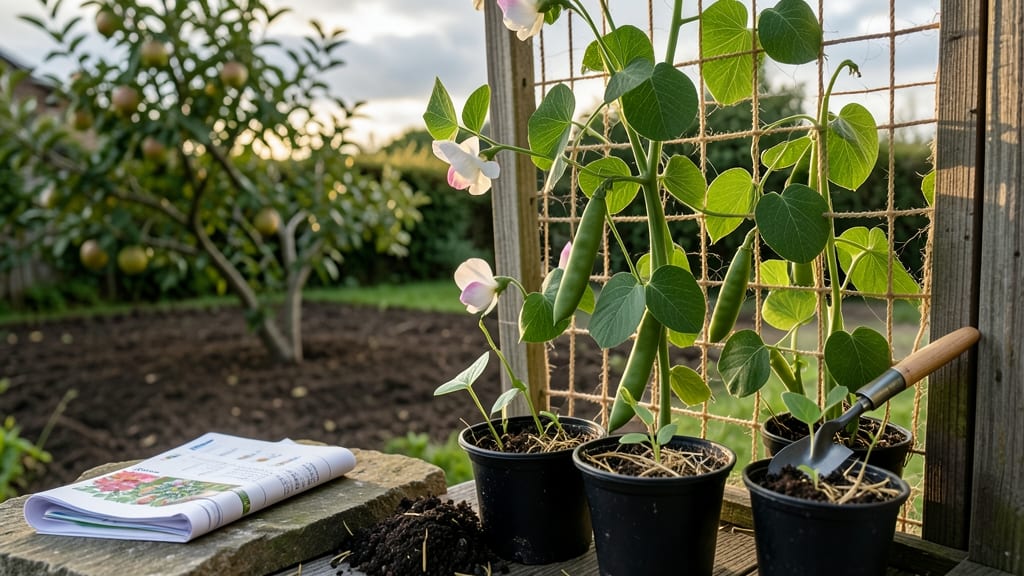
Timing your pea planting in the UK can mean the difference between a thriving crop and frost-damaged seedlings—so knowing your region’s frost-free window is essential for success. With March–April marking the ideal start for most gardeners, you’ll want to adjust based on whether you’re in frost-prone Scotland or milder London.
Peas are one of the first spring vegetables you can plant, but rushing too early can leave your 🌱 peas vulnerable to late frosts. The key is understanding your local climate—whether you’re in USDA Zone 8a or cooler 7b—to maximize your growing season.
In this guide, I’ll walk you through the exact planting windows for both early and late crops, plus pro tips for extending your harvest. Whether you’re growing sweet peas for pods or climbing varieties for fresh shoots, getting the timing right ensures a bountiful harvest.
Ready to avoid the common mistakes that leave peas struggling? Let’s dive into the perfect planting schedule for your UK garden, so you can enjoy crisp, homegrown peas from June to January.
UK pea planting calendar: frost dates by region (2024 guide)
Peas are one of the first spring vegetables you can plant in the UK, but timing varies dramatically by region. In warmer southern areas like London and the Southeast, you can start as early as late February, while colder northern regions like Scotland may wait until mid-April.
The key is avoiding late frosts, which can kill tender seedlings.
Peas thrive in cool temperatures (10–18°C/50–65°F) and actually prefer spring planting before summer heat sets in. However, some gardeners also grow a late-season crop in September for winter harvests. Let’s break down the ideal planting windows by UK region to maximize your success.
⚠️ CRITICAL NOTE: Always check your local frost forecast 1–2 weeks before planting, as late frosts can still occur in March and April. The Met Office provides regional alerts that are invaluable for UK gardeners.
For early varieties like ‘Meteor’ or ‘Sugar Ann’, aim to plant in March when soil temperatures reach 7°C (45°F). These fast-maturing peas (60–70 days to harvest) can often escape late frosts and give you an early crop.
If you’re growing climbing varieties like ‘Douce Provence’, wait until April for better establishment.
In September, focus on late-season varieties such as ‘Alderman’ or ‘Telephone’, which tolerate cooler autumn temperatures. These can be planted until <
How to extend your pea planting season in cold UK climates
Cold UK winters can cut your pea-growing season short, but with the right techniques, you can push those frost-free windows and enjoy peas from early spring to late autumn. I’ve tested these methods in my own garden, and they’ve doubled my harvest time—even in chilly Scotland Zone 7b conditions.
The key? Protecting young seedlings from late frosts and extending warmth into cooler months.
Start by choosing cold-hardy varieties like ‘Meteor’ or ‘Douce Provence’, which tolerate light frosts better than others. These varieties can handle temperatures down to -5°C (23°F), giving you a head start. Pair them with season-extending tools to maximize your growing window.
Here’s how I extend my pea season—step by step—so you can too:
- 1. Use cloches for early planting (as early as February in mild regions). These mini greenhouses trap heat and protect seedlings from late frosts until soil warms.
- 2. Plant under row covers (like fleece fabric) to delay first frost by 4–6 weeks. Secure edges tightly to prevent pests from sneaking in.
- 3. Try a cold frame for late-season peas. These low tunnels raise temperatures by 5–10°C (9–18°F), letting you plant into September or October.
- 4. Sow in containers near walls or fences to absorb and radiate heat. Dark-colored pots work best—they absorb sunlight faster.
- 5. Mulch heavily with straw or compost to insulate soil. This keeps roots 2–3°C warmer and prevents temperature swings that stress plants.
For late crops, I’ve had success planting in September under row covers, harvesting as late as January in sheltered spots. The trick is to choose disease-resistant varieties like ‘Alderman’—they handle the damp, cooler conditions better than others. Just
One mistake I made early on was planting too early without protection. My March peas were nipped by a late April frost, setting me back weeks. Now, I always check the Met Office frost forecast and use frost cloths as a backup. It’s worth the extra effort—fresh peas in December are a game-changer for winter salads!
If you’re short on space, consider vertical growing. Trellises or netting let you grow climbing peas in small areas while maximizing sunlight exposure. Pair them with early-flowering sweet peas for a double harvest—sweet peas bloom in May–June, while your main pea crop follows.
Finally, don’t forget to rotate crops to avoid soil-borne diseases. Peas are heavy feeders, so I top-dress with composted manure before planting and side-dress with fish emulsion mid-season for a nutrient boost. With these tricks, you’ll turn your UK garden into a pea powerhouse, no matter the climate! 🌱