
Companion Plants
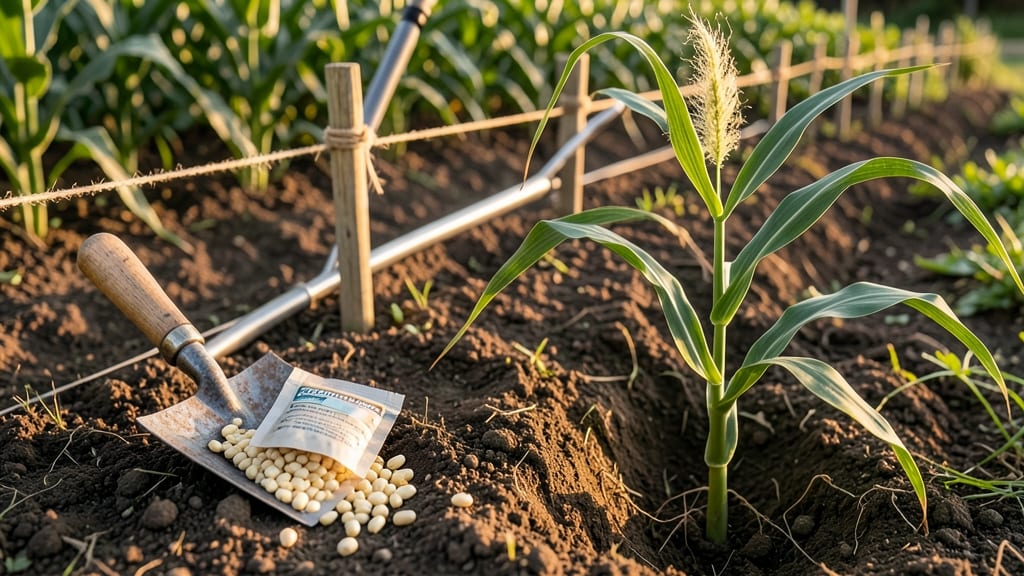
If you're wondering when can I plant corn in Zone 7, timing is the secret ingredient to a bountiful harvest. 🌽 The wrong schedule can mean stunted plants or sparse ears, but get it right, and you'll enjoy sweet, juicy corn straight from your garden by summer.
In Zone 7, your planting window typically opens after the last frost—usually mid-April to early May—when soil temperatures hit at least 60°F. This ensures strong germination and healthy growth before summer heat sets in. But not all corn varieties play by the same rules.
I’ll break down the best planting times for early, mid-, and late-season corn, plus how to adjust for your local microclimate. Whether you're growing sweet corn for dinner or popcorn for fun, these tips will help you avoid common mistakes and maximize your yield.
Ready to turn your garden into a cornucopia? Let’s dive into the frost-free timeline that’ll have your plants thriving from seed to harvest. You’ll learn exactly when to plant, how to space your rows, and what to do if you miss the window.
Zone 7 corn planting dates by maturity type (early, mid, late season)
Corn thrives in Zone 7 when planted after the last frost date, but the exact timing depends on your variety's maturity days. Early-season corn (60-75 days) can handle cooler soils, while late-season varieties (100+ days) need warmer temperatures to mature before frost.
Let’s break down the ideal planting windows for each type.
First, check your last frost date—typically around April 15 in Zone 7. Then, adjust planting dates based on soil temperature and variety. Corn seeds won’t germinate well in cold soil (50°F), so wait until the ground reaches at least 60°F, usually by mid-April to early May.
For early-season corn (e.g., 'Silver Queen' or 'Ambrosia'), you can plant as early as mid-April if soil is warm. These varieties mature quickly (60-75 days), making them perfect for Zone 7’s shorter growing season.
Late-season corn (e.g., 'Peaches and Cream' or 'Country Gentleman') needs a later start—wait until late April to early May to ensure they reach maturity before frost.
Here’s how to align your planting with Zone 7’s frost-free timeline and variety maturity:
Pro tip: Plant in blocks, not rows, to ensure cross-pollination. For example, a 4x4 foot block of early corn will produce plenty of ears for your family. If you love variety, stagger plantings every 2 weeks to extend your harvest season.
Corn also benefits from warm soil, so consider using black plastic mulch or planting near dark-colored objects (like bricks) to speed up soil warming. This trick can shave off critical days in Zone 7’s cooler springs.
For dent corn or popcorn varieties, aim for mid-May planting to give them enough time to mature. These types often have longer maturity days (90-120 days), so don’t rush—patience pays off with bigger yields.
Remember, corn is sensitive to cold snaps after germination. If nighttime temperatures dip below 50°F, use row covers or wait until soil warms further. A sudden frost can kill young seedlings before they emerge.
Finally, keep an eye on your local weather forecasts in late April. If a cold snap is predicted, delay planting until temperatures stabilize. Zone 7’s unpredictable spring weather can turn a perfect planting day into a risky gamble.
Zone 7 corn planting dates by maturity type (early, mid, late season)
In Zone 7, your corn planting window hinges on two critical factors: soil temperature and last frost date. Corn seeds need soil at least 60°F to germinate, and frost-sensitive plants like corn can’t handle even light freezes.
For most of Zone 7, the last frost date falls around mid-April, but this varies by elevation and microclimate.
Your corn variety’s maturity type (early, mid, or late season) determines your exact planting window. Early varieties (like Silver Queen) mature in 60-75 days and can handle slightly cooler soils, while late varieties (like Peaches and Cream) need warmer soil and a longer growing season.
Planting at the right time ensures optimal pollination and maximum yield.
🌱 PRO TIP: Use a soil thermometer to confirm temperatures before planting. If your soil is still cool, wait—corn seeds won’t sprout until conditions are right.
| Maturity Type | Days to Maturity | Ideal Planting Window | Soil Temp Threshold | Harvest Window |
|---|---|---|---|---|
| Early Season | 60-75 days | Mid-April to early May | 55-60°F | Early July |
| Mid Season | 75-90 days | Late April to mid-May | 60-65°F | Mid-July to early August |
| Late Season | 90-120 days | Early May to early June | 65°F+ | August to September |
For early-season corn, you can start planting as soon as your soil hits 55°F—typically by mid-April.
These varieties are your best bet for a reliable harvest if your growing season is short. Mid-season varieties offer the sweetest ears and are the most popular choice for Zone 7 gardeners. Aim to plant them by late April to ensure they mature before the first frost in mid-October.
If you love late-season varieties like Golden Bantam or Country Gentleman, plant them in early May to give them enough time to develop. These varieties need warmer soil and a longer growing season, so don’t rush—they’ll reward you with larger ears and better storage life.
Remember, corn is a heavy feeder, so enrich your soil with compost or a balanced fertilizer (like 10-10-10) before planting. This ensures your plants have the nutrients they need to thrive during their rapid growth phase.