
How To
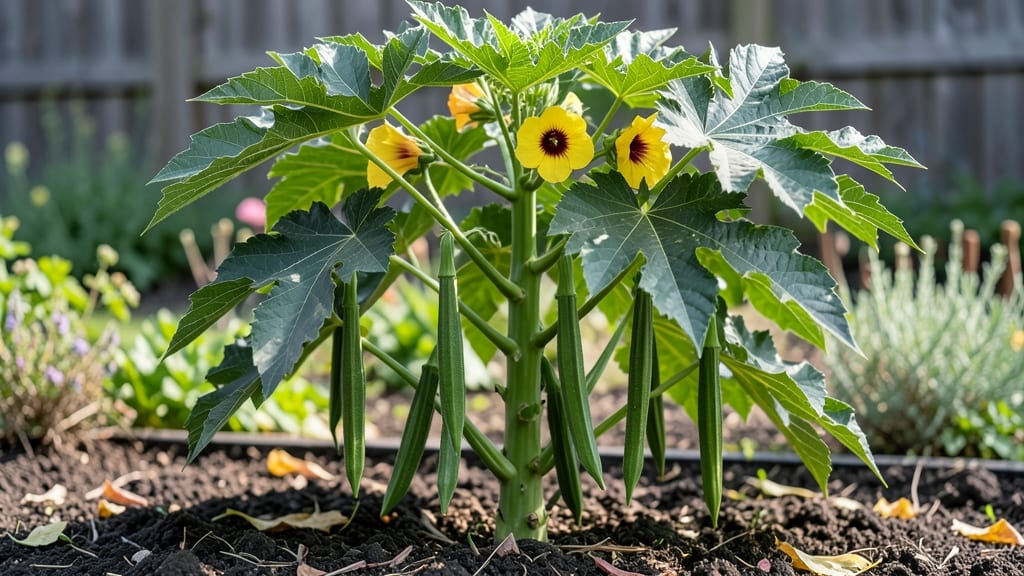
If you’ve ever wondered how tall okra plants grow, the answer might surprise you—especially when you consider the variety you’re planting.
Some varieties barely clear your waist, while others can tower over your head like a verdant skyscraper, reaching heights of 6 to 10 feet under ideal conditions in zones like 6a.
Knowing this isn’t just about curiosity; it directly impacts how you plan your garden layout, spacing, and even whether you’ll need trellises or stakes to support those lanky stalks.
But here’s the catch: okra’s height isn’t set in stone. Genetics play a huge role—dwarf varieties stay compact at 2 to 4 feet, making them perfect for small gardens or containers, while standard types stretch toward the sky.
Climate, soil quality, and even your pruning habits can nudge those numbers up or down. Whether you’re a first-time gardener or a seasoned green thumb, understanding these factors will help you coax the perfect size out of your 🌱 okra plants—without sacrificing yield or space.
In this guide, I’ll break down the height ranges of popular okra varieties, share pro tips for managing growth (like when to prune or trellis), and reveal common mistakes that might be stunting your plants.
By the end, you’ll know exactly how to give your okra the room—and care—it needs to thrive, whether you’re aiming for a bushy 3-foot wonder or a sky-scraping 10-foot giant.
Ready to turn your okra patch into a productive powerhouse? Let’s dive into the details so you can plan your garden with confidence—and maybe even impress your neighbors with those towering pods!

Okra plant height by variety: from dwarf to towering giants
Okra plants can range dramatically in height depending on the variety you choose. Dwarf varieties stay compact at 2-4 feet tall, while standard varieties can tower up to 10 feet or more. Understanding these differences helps you plan your garden layout and support structures effectively.
For example, 'Burgundy' okra is a dwarf variety that reaches just 2-3 feet tall, making it perfect for containers or small gardens. Meanwhile, 'Clemson Spineless' okra, a popular standard variety, can grow 8-10 feet tall under ideal conditions.
Your choice of variety directly impacts spacing requirements, trellising needs, and even harvest accessibility. Let’s explore the height ranges and growing tips for each category.
🌱
| Variety Type | Height Range | Spacing Needs | Ideal Growing Conditions |
|---|---|---|---|
| Dwarf Varieties | 2-4 ft | 12-18 inches apart | Containers, small gardens, or raised beds |
| Semi-Dwarf Varieties | 4-6 ft | 24-30 inches apart | In-ground planting with light trellising |
| Standard Varieties | 6-10 ft | 36-48 inches apart | Full sun, trellis or stake support, spacious garden beds |
If you're growing tall okra varieties, consider using trellises or stakes to support their height and improve air circulation. This reduces the risk of disease and makes harvesting pods much easier, especially for taller varieties like 'Emerald' okra, which can reach 9 feet tall.
For container gardening, stick to dwarf or semi-dwarf varieties like 'Arkansas Little Lightning', which stays under 4 feet tall. These varieties are also ideal for urban gardens with limited space.
Proper spacing is crucial to prevent overcrowding, which can stunt growth and reduce yield. For standard varieties, allow 3-4 feet between plants to give them room to reach their full height without competing for nutrients.
🌿
In warmer climates like USDA Zones 8-11, okra plants naturally grow taller due to longer growing seasons. If you're in a cooler climate, choose dwarf varieties or use row covers to extend the growing season and support taller growth.
Always check the seed packet or plant tag for specific variety details, as some modern hybrids are bred for compact growth while maintaining high yields. For example, 'Red Burgundy' okra is a dwarf variety that produces bright red pods and stays under 3 feet tall.
🪴
Okra plant height by variety: from dwarf to towering giants
Okra plants come in three distinct height categories—dwarf, semi-dwarf, and standard—each suited for different garden spaces and growing conditions. The variety you choose directly impacts how much room you’ll need and whether you’ll require trellising or staking.
For example, 'Burgundy' okra stays compact at just 2 to 4 feet, making it ideal for containers or small urban gardens, while 'Clemson Spineless' can soar to 8 to 10 feet in optimal conditions.
Understanding these height ranges isn’t just about aesthetics—it’s about yield potential. Taller varieties often produce more pods but need spacious planting (at least 2 feet apart) to avoid overcrowding.
Meanwhile, dwarf varieties may produce fewer pods but are perfect for small-space gardening or even indoor growing with grow lights. Let’s break down the specifics so you can pick the perfect fit for your garden.
| Variety | Height Range | Spacing Needs | Best For |
|---|---|---|---|
| Dwarf Varieties | 2–4 ft | 12–18 in apart | Containers, small gardens |
| Burgundy | 2–3 ft | 12 in apart | Urban gardens, patios |
| Semi-Dwarf Varieties | 4–6 ft | 18–24 in apart | Small plots, raised beds |
| Emerald | 4–5 ft | 18 in apart | Balconies, community gardens |
| Standard Varieties | 6–10 ft | 2–3 ft apart | Large gardens, trellises |
| Clemson Spineless | 8–10 ft | 3 ft apart | Rural gardens, high yields |
If you’re growing okra in USDA Zone 6a or warmer, you’ll likely see the tallest varieties thrive—especially if you provide well-draining soil and full sun exposure.
For example, 'Clemson Spineless' can reach its full 10-foot potential in just 60 to 75 days under ideal conditions, while dwarf varieties like 'Burgundy' mature faster but stay shorter.
Pro tip: If you’re short on space, consider vertical trellising for taller varieties to save garden real estate while maximizing pod production.
Another key factor is soil fertility. Okra loves nitrogen-rich soil to fuel its rapid growth, but too much can lead to excessive leafiness at the expense of pod production. Aim for a balanced 5-10-10 fertilizer applied every 4 to 6 weeks during the growing season.
This ensures your plants grow tall enough to support heavy pods without flopping over or becoming leggy.
For container growers, dwarf varieties are your best bet—just ensure your pots are at least 12 inches deep and 18 inches wide to accommodate root growth. If you’re growing taller varieties in containers, opt for 5-gallon buckets and add trellis support early to prevent toppling.
Remember, okra’s height is a reflection of its genetic potential, but with the right care, you can nudge it toward its maximum size—whether that’s a compact 3-footer or a sky-reaching 10-footer.
Now that you know the height ranges, the next step is understanding how to manage growth—whether you’re dealing with a runaway giant or a stubbornly short plant. In the next section, I’ll cover how pruning, trellising, and seasonal care can influence your ok