
How To
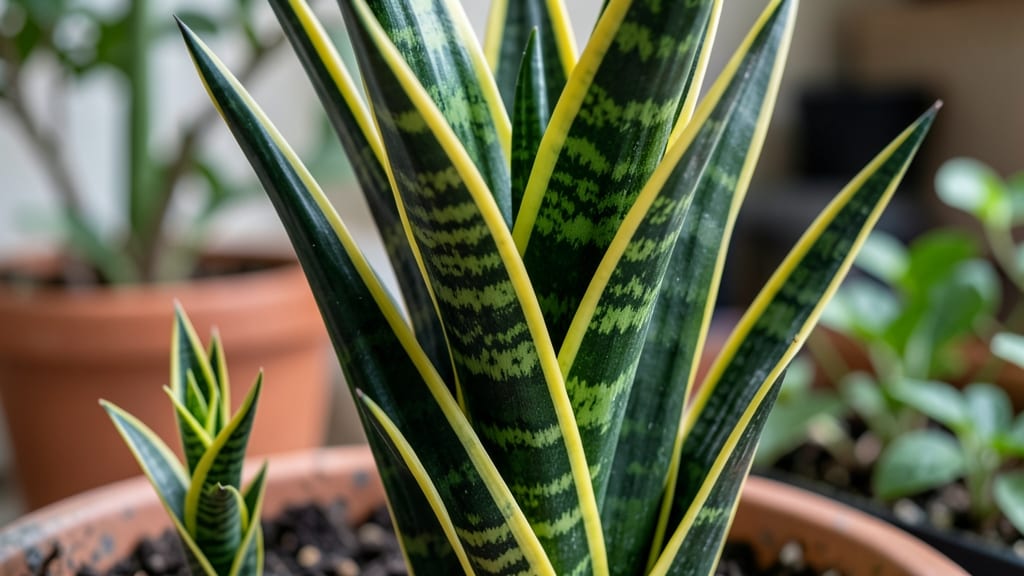
Snake plant maximum height by variety: indoor growth limits explained
Your snake plant (Sansevieria trifasciata) can grow surprisingly tall—some varieties even reach 6 feet indoors with ideal conditions. However, height varies dramatically by variety and care practices. Understanding these differences helps you manage expectations and optimize growth for your space.
Most snake plants grow vertically rather than bushy, making height a key consideration for small apartments or offices. The standard 'Mother-in-Law's Tongue' variety typically tops out at 4-6 feet, while newer cultivars like 'Moonshine' or 'Hahnii' stay shorter at 1-2 feet.
Let’s break down the height ranges for popular varieties.
📊 Variety Height Comparison
| Variety | Indoor Height Range | Growth Habit | Notes |
|---|---|---|---|
| Sansevieria trifasciata 'Laurentii' | 4-6 ft | Tall, upright | Classic variety; needs space |
| Sansevieria 'Moonshine' | 1-2 ft | Compact, rosette | Slow-growing; great for shelves |
| Sansevieria 'Hahnii' (Bird's Nest) | 1-1.5 ft | Bushy, clustered | Dwarf variety; ideal for small pots |
| Sansevieria cylindrica | 2-4 ft | Tall, cylindrical leaves | Fast-growing; needs support |
| Sansevieria 'Futura Superba' | 3-5 ft | Upright, wide leaves | Bold foliage; thrives in bright light |
The 'Laurentii' variety is the tallest, often reaching 6 feet indoors with proper care, while 'Hahnii' stays under 1.5 feet, making it perfect for windowsills. If you’re concerned about height, choose a dwarf variety or use pruning techniques to control growth.
Indoor height also depends on light exposure. Snake plants grown in low light may stretch toward light sources, becoming leggy and tall. Conversely, bright indirect light promotes compact, bushier growth. Position your plant near an east or west-facing window for balanced growth.
Pot size plays a surprising role too. Root-bound plants in small pots grow taller as they compete for space, while larger containers encourage wider, bushier growth. If your snake plant is outgrowing its pot, repotting into a 1-2 inch wider container can help manage height by promoting root spread.
Outdoor conditions can push heights even higher. In USDA Zone 9-11, snake plants may reach 8 feet or more when planted in gardens. However, most indoor growers will see 4-6 feet as the upper limit for standard varieties. Always check your specific variety’s growth habits before purchasing.
For those with limited ceiling space, consider pruning regularly to maintain a manageable height. Trimming the tallest leaves not only controls size but also creates propagation material for new plants. Just be sure to use sterile shears to avoid disease.
🌱 Pro Tip: If your snake plant is growing too tall for its space, try rotating the pot every few weeks. This ensures even light exposure and prevents one-sided stretching toward windows.
5 Factors that control snake plant height (and how to optimize them)
Your snake plant’s height isn’t just luck—it’s a direct result of how you care for it. Light exposure is the #1 factor: too little light stretches leaves upward, while bright, indirect light keeps them compact. Place your plant near an east-facing window for ideal growth without scorching.
Pot size plays a surprising role too. Root-bound plants grow taller as they compete for space. Upgrade to a pot 2-3 inches wider every 2-3 years to encourage bushier, shorter growth. Just ensure it has drainage holes to prevent soggy soil.
- 1. Light Exposure: Bright indirect light = compact growth; low light = leggy leaves
- 2. Pot Size: Root-bound = taller; upgrade pots every 2-3 years
- 3. Watering: Overwatering = weak stems; underwatering = stunted growth
- 4. Temperature: Ideal 65-85°F; below 55°F slows growth
- 5. Humidity: Low humidity = faster growth; high humidity = slower, bushier growth
Watering habits often get overlooked, but they’re critical. Overwatering weakens stems, causing them to flop or grow unevenly. Aim for a deep soak every 10-14 days—let the soil dry completely between waterings. A moisture meter helps avoid guesswork.
Temperature also affects height. Snake plants thrive in 65-85°F ranges. Below 55°F, growth slows dramatically, while consistent warmth encourages steady upward growth. Avoid drafty areas like near AC vents or windows in winter.
Finally, humidity levels influence growth patterns. Low humidity speeds up growth, often resulting in taller, thinner leaves. If your home is dry (common with central heating), try placing a tray of water near the plant to boost humidity and encourage bushier growth.
By tweaking just these 5 factors, you can control whether your snake plant stays under 3 feet or stretches toward the ceiling. Start with light adjustments—they make the biggest difference! 🌿