
Plants
Elephant ear plant light requirements: the ideal sunlight balance explained
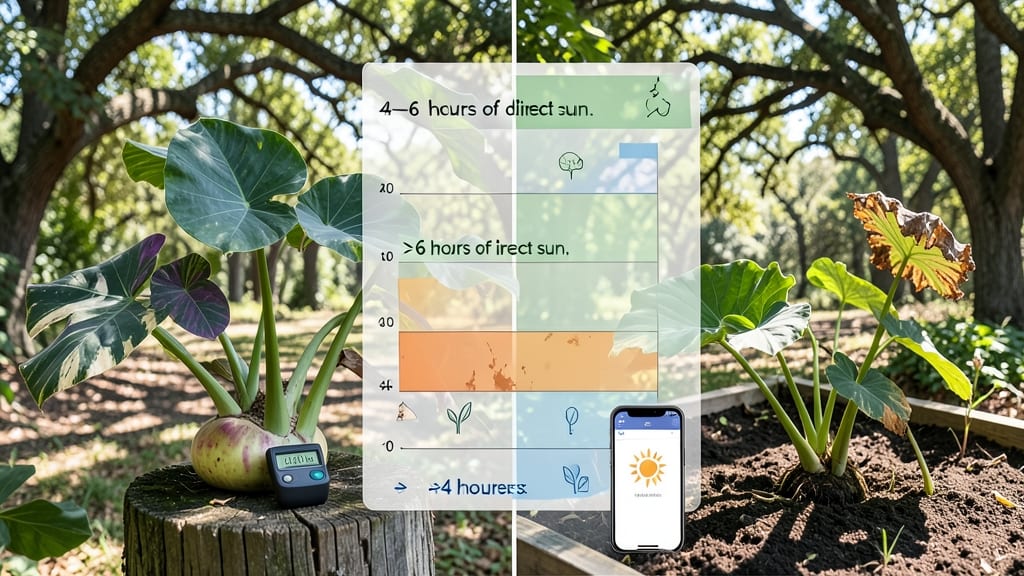
Elephant ear plants (Colocasia) thrive in bright indirect light with 4-6 hours of morning sun daily. These tropical beauties despise harsh afternoon rays, which can scorch their delicate leaves.
Think of their ideal spot as dappled shade—like under a tree canopy or near a sheer curtain—where sunlight filters gently through foliage.
Direct sun exposure for more than 2-3 hours will cause leaf burn, turning vibrant green foliage into crispy brown patches. Meanwhile, too little light results in weak stems and pale leaves, signaling your plant is stretching desperately for sunlight.
Finding the sweet spot between these extremes is key to keeping your elephant ear looking its best.
The perfect light balance for elephant ears combines:
- Morning sun (6 AM–12 PM) for energy
- Afternoon shade (12 PM–6 PM) for protection
- Indirect light throughout the day if outdoors
| Light Condition | Daily Sunlight | Plant Response | Best For |
|---|---|---|---|
| Partial Sun | 4-6 hours | Healthy growth, vibrant leaves | Outdoor garden beds |
| Dappled Shade | 2-4 hours filtered light | Slow growth, smaller leaves | Understory planting |
| Full Sun | 6+ hours | Leaf burn, stunted growth | Avoid entirely |
| Deep Shade | 0-2 hours | Leggy stems, pale leaves | North-facing windows |
Seasonal adjustments are crucial for elephant ears. In summer months, when sunlight is most intense, provide afternoon shade using a lightweight shade cloth (30-50% coverage). I’ve found that a simple white umbrella over my patio plants works wonders during peak afternoon heat.
Conversely, winter light can be tricky, especially in northern climates. If your plant is outdoors, move it to a protected location like a sunroom or garage where it can still receive bright indirect light for 4-6 hours daily.
Indoor plants near south or west-facing windows may need supplemental grow lights to prevent light deprivation.
For container-grown elephant ears, rotate your pots every 2-3 weeks to ensure even light exposure. This prevents one-sided growth and keeps those stunning leaves symmetrical. I’ve noticed my plants develop bigger, fuller foliage when rotated regularly—it’s a simple trick that makes a huge difference!
Pro tip: Observe your plant’s leaf color as your best indicator. Deep green with rich veins means you’ve nailed the light balance. If leaves turn yellow-green, it’s time to move your plant to a brighter spot. If they crisp or brown, increase shade immediately.
In USDA Zones 8-11, elephant ears can often stay outdoors year-round, but in colder zones (Zones 6-7), they’ll need winter protection like mulch or frost cloth. Even in mild winters, reduce sunlight exposure to 3-4 hours daily to help the plant enter dormancy naturally.
Remember, every garden is unique. What works for my east-facing patio in Zone 8 might need adjustments for your west-facing yard in Zone 5. The key is observation and flexibility—your elephant ear will thank you with glossy, healthy leaves all season long! 🌿
Signs your elephant ear plant isn’t getting enough (or too much) light
Elephant ear plants (Colocasia) are tropical beauties that send clear signals when their light needs aren’t met. Watch for yellowing leaves, a classic sign of too much sun or insufficient light.
If your plant’s foliage turns pale or develops brown crispy edges, it’s likely struggling with sunburn from harsh afternoon rays or drought stress from improper light exposure.
Another red flag? Leggy, weak stems that stretch toward any available light source. This happens when your plant craves more brightness but isn’t getting enough.
Even the size of your leaves can tell the story—smaller-than-expected leaves often mean low light, while scorched patches on large leaves scream excessive sun.
🌿 Pro Tip: Rotate your plant every few weeks to ensure even growth. Uneven light exposure can cause one side of the plant to grow faster or develop more color than the other.
🚨 Warning: Sunburn vs. Shade Stress
Don’t confuse sunburn (brown, crispy patches) with shade stress (yellowing, weak stems). Both require different fixes—move to dappled shade for sunburn or increase bright indirect light for shade stress.
If your elephant ear’s leaves develop black spots or mushy stems, it might be a secondary issue caused by improper light. Too much sun weakens the plant’s defenses, making it more susceptible to fungal infections or pests.
Keep an eye out for spider mites or aphids, which thrive on stressed plants in bright, dry conditions.
In indoor settings, watch for leaves touching windows. If they’re rubbing against glass, it’s a sign they’re reaching for more light. Meanwhile, drooping leaves in the morning often mean the plant is thirsty—a common side effect of too much light drying out the soil too quickly.
💡 Quick Fix: Test your plant’s light spot by placing a white piece of paper near it. If you can’t read the paper easily, the light is too dim. If the paper burns within hours, your plant is getting too much direct sun. Adjust accordingly!
Seasonal changes also affect light needs. In summer, your elephant ear might need afternoon shade, while in winter, it may crave a south-facing window to compensate for shorter daylight hours. Pay attention to how your plant reacts to these shifts—adjust gradually to avoid shocking the roots.