
Plants
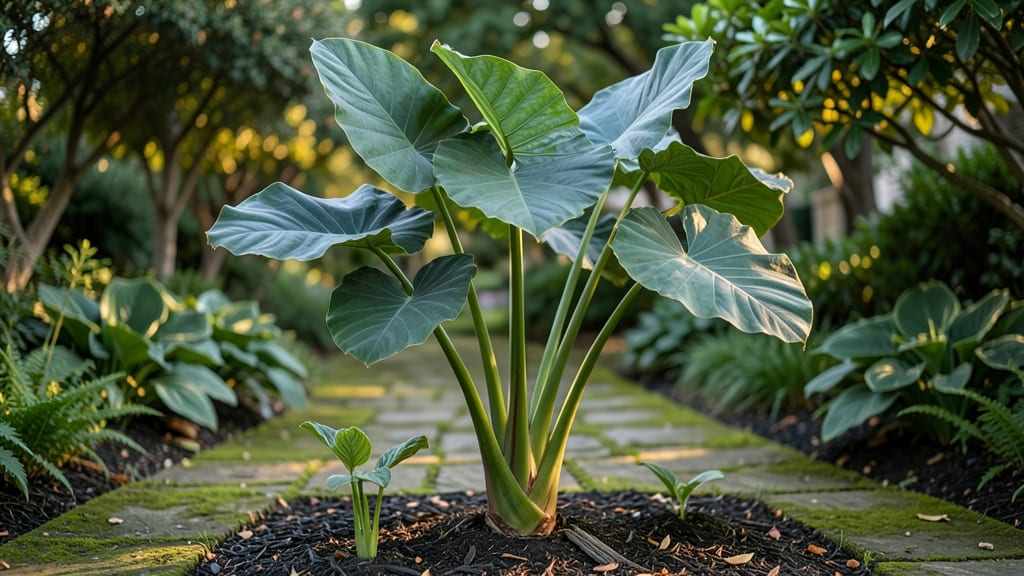
If you're planning to add elephant ear plants 🌿 to your garden, you might be wondering how tall this demonstrative plant can grow. The answer isn't one-size-fits-all—some varieties reach impressive heights, while others stay more compact, making them perfect for smaller spaces.
For most gardeners, the height of an elephant ear plant can range from 2 to 6 feet at maturity, depending on the variety and growing conditions. Whether you're working with a dwarf type or a standard-sized plant, understanding these dimensions helps you choose the right spot in your landscape.
Beyond just height, factors like sunlight exposure, soil quality, and watering habits play a big role in how your plant grows. With the right care, you can encourage lush foliage that adds dramatic flair to your garden—without it taking over your space.
In this guide, I'll break down the exact height ranges for popular varieties and share tips to manage their growth, so you can enjoy these stunning plants without any surprises. Let's get started!

Elephant ear plant height by variety: exact growth ranges for popular types
If you’re planning to add elephant ear plants (Colocasia) to your garden, knowing their mature height is essential for spacing and design. These tropical beauties can range from 2 feet to over 6 feet tall, depending on the variety and growing conditions.
Let’s break down the exact heights for popular types so you can choose the perfect fit for your space.
The mature height of elephant ear plants varies significantly between varieties. Some stay compact at 2-3 feet, while others tower impressively at 5-6 feet. Even within the same variety, outdoor plants tend to grow taller than those in containers.
Understanding these differences helps you avoid overcrowding or underutilizing your garden beds.
For example, 'Black Stem' and 'Illustris' are classic varieties that reach 3-5 feet tall with broad, dramatic leaves. Meanwhile, 'Pink Symphony' and 'White Queen' can grow even taller, often exceeding 5 feet in ideal conditions. Always check the specific variety’s growth habits before planting.
Now, let’s dive into the details with a quick reference table for the most popular elephant ear varieties, including their mature heights, spread, and ideal growing conditions.
When selecting varieties, consider your garden’s sunlight exposure and space constraints. For example, 'Pink Symphony' and 'White Queen' thrive in full sun but need ample room for their towering growth. In contrast, 'Raspberry Red' is perfect for smaller spaces or containers due to its compact height.
If you’re growing elephant ear plants in containers, expect them to stay slightly shorter—typically 1-2 feet shorter than their outdoor counterparts. This makes them ideal for patios or balconies, where space is limited. Just ensure your pot is at least 12-18 inches deep to accommodate their tuberous roots.
For outdoor planting, give each plant 2-4 feet of space between neighbors to prevent overcrowding. In moist, fertile soil with partial shade, these plants will reach their full potential height.
If your garden has limited sunlight, opt for varieties like 'Illustris' or 'Hope', which tolerate shade better than others.
Pro tip: If you’re unsure about a variety’s height, start with a smaller specimen in a pot. This lets you observe its growth habits before committing to a permanent garden spot. Most elephant ear plants will show their true height within the first growing season.
Remember, the height of your elephant ear plant isn’t just about
How to control elephant ear plant height and spread for small gardens
If your garden space is limited but you love the look of elephant ear plants, don’t worry—you can easily manage their height and spread with a few smart strategies.
These tropical beauties can grow tall and wide, but with the right care, you can keep them compact and contained, even in small areas. The key is understanding how to prune, pot, and divide them effectively.
First, let’s talk about container gardening, which is perfect for controlling height. When grown in pots, elephant ear plants typically stay 1-2 feet shorter than their outdoor counterparts. Choose a container that’s at least 12-18 inches deep and wide enough to accommodate the plant’s tuberous roots.
This limits their ability to spread aggressively while still allowing them to thrive.
For outdoor planting in small gardens, focus on regular pruning and dividing. If your plant starts to outgrow its space, simply trim back the outer leaves and stems to encourage a bushier, more compact shape.
You can also divide the tubers every 2-3 years to prevent overcrowding. This not only controls the plant’s size but also rejuvenates its growth for the next season.
Here’s a quick tip to keep your elephant ear plants in check: Pinch back the growing tips when the plant is young. This encourages the plant to branch out instead of growing tall and leggy. It’s a simple trick that works wonders for maintaining a neat, manageable size.
🌱 Pro Tip: Container Care for Compact Growth
- Use large pots (12-18 inches deep) to limit root spread.
- Prune regularly to encourage bushier growth.
- Divide tubers every 2-3 years to prevent overcrowding.
- Pinch back tips early in the season for a fuller shape.
These steps ensure your elephant ear plants stay manageable while still making a stunning statement in your garden.
Another way to control height is by managing sunlight exposure. While elephant ear plants thrive in partial shade, too much direct sun can make them grow taller and leggier.
If your garden gets intense afternoon sun, consider providing some afternoon shade to keep the plant stockier and shorter.
Finally, don’t forget about seasonal adjustments. In the fall, as temperatures drop, your elephant ear plants will naturally slow their growth. This is the perfect time to trim back any overgrown foliage and prepare the plant for dormancy.
By the following spring, you’ll have a fresh start with a plant that’s ready to grow compact and controlled.
With these tips, you can enjoy the dramatic foliage of elephant ear plants without worrying about them taking over your garden.
Whether you’re growing them in containers or in the ground, a little pruning, potting, and dividing goes a long way in keeping them just the right size for your space. 🌿