
Companion Plants
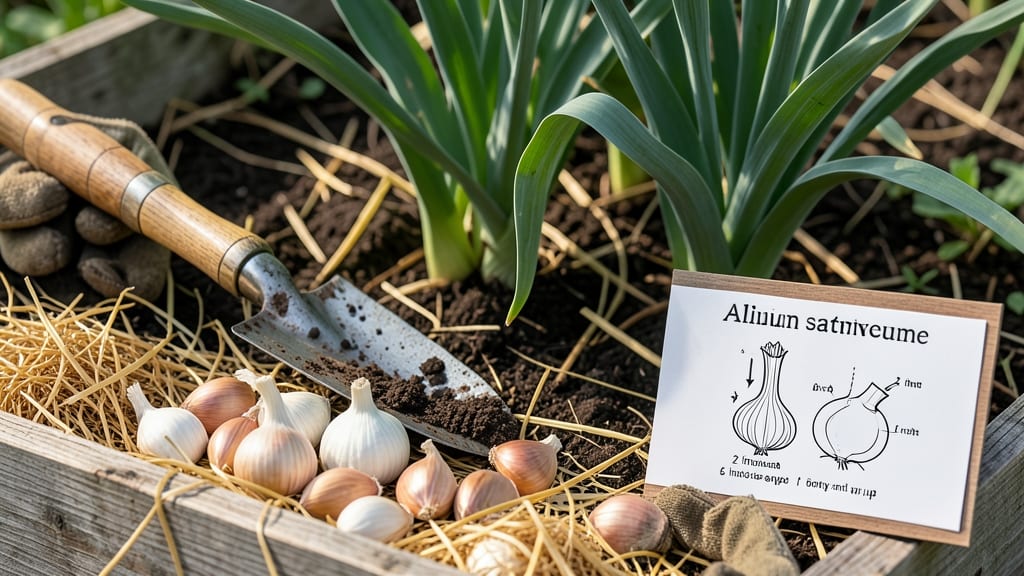
Timing your garlic planting in Western PA can mean the difference between plump, flavorful bulbs and disappointment next summer. With Zone 6a winters that bring early freezes, getting those cloves in the ground at the right moment is absolutely critical.
Most gardeners know fall is the ideal season for planting garlic, but the exact window matters more than you might think. In Western PA, you’ve got just a few weeks—roughly between October and November—to plant before the ground freezes solid.
Miss that window, and your garlic might not survive the winter at all.
Don’t worry, though—this isn’t just about guessing. I’ll walk you through the precise deadlines for hardneck and softneck varieties, plus smart tricks to extend your planting window without risking frost damage.
Whether you’re a first-timer or a seasoned gardener, these insights will help you grow the best garlic your Western PA garden has ever seen.
Ready to set yourself up for a July harvest of bold, homegrown cloves? Let’s dive into the exact steps to plant garlic at the perfect time—so you can enjoy the rewards next summer.
Western PA fall garlic planting deadlines by variety (hardneck vs softneck)
Garlic thrives in Western PA’s USDA Zone 6a, but the 4-6 week window before ground freeze is critical. For most of Western PA, that means planting between October 1st and November 15th.
Hardneck varieties like Purple Stripe and Rock garlic need this window to develop strong bulbs, while softnecks like Silverskin can tolerate slightly later plantings.
Your exact deadline depends on your microclimate. Higher elevations (like the Allegheny Mountains) freeze earlier, while urban areas (like Pittsburgh) may have 1-2 extra weeks of planting time. Check your local first frost date—typically around October 15th—and plant 6 weeks before that date.
Here’s how to match your variety to Western PA’s fall planting timeline:
| Variety | Planting Window | Notes for Western PA |
|---|---|---|
| Hardneck (Purple Stripe, Rock, German Red) | October 1 - November 1 | Best for flavor; needs cold dormancy to form bulbs. Plant by October 15th in rural areas. |
| Softneck (Silverskin, Artichoke) | October 15 - November 15 | More cold-tolerant; can handle later plantings but store less well. Ideal for urban gardens. |
| Elephant Garlic (Technically a leek) | October 1 - October 30 | Giant bulbs but less cold-hardy. Plant early and mulch heavily for Zone 6a. |
If you miss the fall window, don’t panic—spring planting (March-April) is possible but yields smaller bulbs. Hardnecks planted in spring may not form scapes, reducing their culinary value. For best results, prioritize fall planting and adjust your timing based on your specific microclimate.
Western PA’s soil temperatures drop below 50°F (10°C) by late October, signaling it’s time to plant. Use a soil thermometer to confirm—garlic cloves need 40-50°F soil to root before winter. If your soil is still warm, hold off until temperatures stabilize.
For gardeners in Pittsburgh and Erie, aim for October 15th as your cutoff. In State College or DuBois, plant by October 1st to avoid early freezes. Always plant 2-3 inches deep and 4-6 inches apart for optimal bulb development.
One common mistake is waiting until November—by then, roots won’t establish before freeze. Instead, plant early and use mulch to insulate soil. This ensures your garlic enters dormancy with a strong root system ready for spring growth.
Remember: Hardnecks need cold to form bulbs, while softnecks store better but grow slower. Choose your variety based on your culinary goals and planting timeline. With the right timing, you’ll harvest plump, flavorful bulbs by July or August—just in time for summer cooking! 🧄
How to extend your garlic planting window without frost risk in Western PA
Western PA’s unpredictable freezes can shrink your garlic planting window faster than you think. But with the right techniques, you can safely push your deadline by 1-2 weeks—even if you miss the ideal October window.
The key is creating a microclimate that mimics the conditions garlic needs to establish roots before winter sets in.
First, focus on soil insulation. Cold soil slows root growth, so aim to keep temperatures above 40°F (4°C) for as long as possible. A 4-6 inch layer of straw mulch acts like a blanket, insulating the soil and protecting young roots from temperature swings.
Spread it immediately after planting to create a barrier against early frosts.
Here’s how to extend your planting window safely:
- 🌡️ Use a soil thermometer to confirm temperatures are 40-50°F (4-10°C)—the sweet spot for root establishment.
- 🌾 Apply straw mulch (4-6 inches) immediately after planting to insulate soil and extend the window by 1-2 weeks.
- ☀️ Choose south-facing beds—they absorb more sunlight and stay 5-10°F warmer than north-facing areas.
- 🛡️ Add row covers or frost cloth for emergency protection during unexpected cold snaps (below 25°F (-4°C)).
- 🪴 Plant near evergreens (like pine trees) to create a windbreak and trap heat near the soil.
For gardeners in higher elevations (like the Allegheny Plateau), consider using black plastic mulch under straw. This absorbs sunlight during the day and releases heat at night, keeping soil temperatures 5-10°F warmer than unprotected beds. Just remove the plastic in early spring to avoid overheating.
If you’re planting in November, prioritize softneck varieties like Silverskin, which are more cold-tolerant. For hardnecks, focus on early-maturing varieties (like German Red) and plant them in the warmest part of your garden.
Even with these adjustments, expect smaller bulbs—but they’ll still be edible and flavorful.
Remember: The goal isn’t to cheat winter entirely but to give your garlic the best possible start. With these techniques, you can push your deadline by 2 weeks—enough to catch a late October planting in areas like Pittsburgh or Erie.
Just monitor weather forecasts and be ready to add extra insulation if a hard freeze is predicted.
Pro tip: Label your rows with the planting date so you can track which garlic gets the longest growing season. This helps you compare yields and refine your timing for next year.
With the right approach, you’ll still harvest bold, homegrown garlic—even if you plant just before the ground freezes! 🌱