
Plants
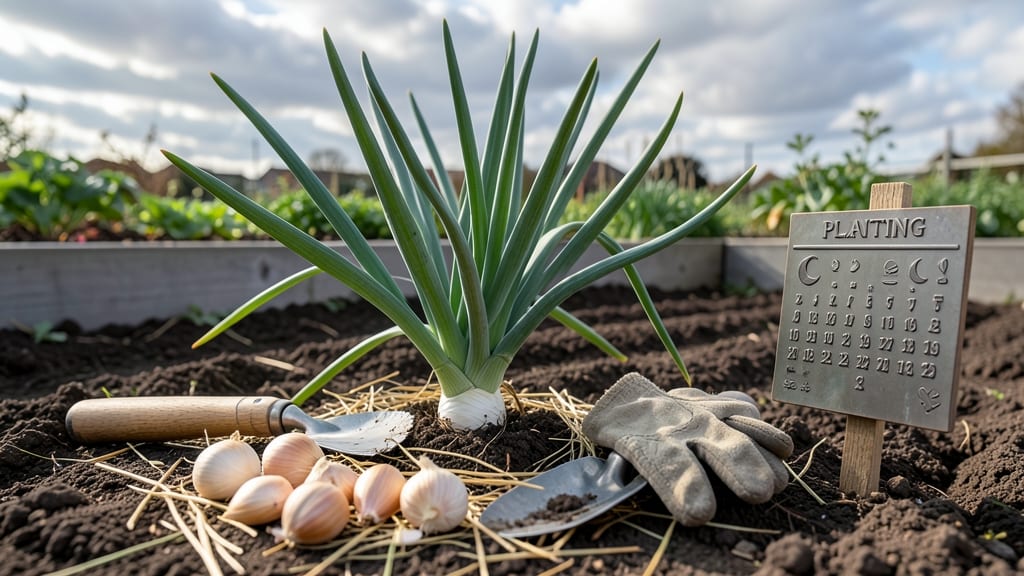
Timing your garlic 🧄 planting in Phoenix isn’t just about the calendar—it’s a battle against the desert’s relentless heat. Plant too early, and your cloves might rot in the summer sun; too late, and they’ll bolt before forming proper bulbs.
The sweet spot? A 6-week window between November and January when soil temps stay cool enough for roots to establish.
Here’s the kicker: Phoenix’s USDA Zone 9b means no frost to signal planting time, so you’ll rely on soil thermometers and weather patterns instead. I’ll show you exactly how to read those cues—plus, which garlic varieties actually thrive here without turning into sad, skinny stalks.
Why does this matter? Because bolting (when garlic flowers prematurely) turns your harvest into bitter, useless scapes instead of plump bulbs. With my data-backed schedule, you’ll skip the guesswork and grow garlic that’s ready to harvest in April or May—just in time for your favorite recipes.
Ready to ditch the trial-and-error? Let’s break down the exact weeks to plant, soil prep secrets, and how to protect your crop from Phoenix’s worst heat—without losing your mind (or your garlic).
Best Phoenix garlic planting windows to prevent bolting
Phoenix’s frost-free winters and intense desert heat create a unique challenge for garlic growers. Unlike northern climates, you can’t rely on frost to trigger dormancy—your garlic needs cool soil temperatures and consistent moisture to develop properly.
Plant too early, and your cloves may sprout but fail to bulb. Plant too late, and summer’s heat will send your garlic bolting prematurely (shooting up flower stalks instead of forming bulbs).
For Phoenix (USDA Zones 9b-10a), the sweet spot is planting between mid-November and mid-January. This window ensures your garlic gets 60-90 days of cool weather before summer’s heat kicks in.
Hardneck varieties (like ‘German White’) tolerate slightly warmer conditions than softnecks (like ‘Silverskin’), but both need careful timing.
Here’s the critical rule: Aim to plant when soil temperatures drop below 75°F and stay there for at least 3 months. Use a soil thermometer to check—if it’s hovering around 65-70°F, it’s prime time.
In Phoenix, this typically aligns with late November to early January, but urban heat islands (like downtown) may run 5-10 days later than high-desert areas (like Carefree).
| Variety | Best Planting Window | Soil Temp Threshold | Bolting Risk | Notes |
|---|---|---|---|---|
| Hardneck (e.g., 'German White', 'Purple Stripe') | Mid-Nov to early Jan | 65-75°F | Moderate (heat-sensitive) | Produces scapes; needs cooler temps to bulb. |
| Softneck (e.g., 'Silverskin', 'Artichoke') | Late Nov to mid-Jan | 60-70°F | High (bolts faster) | More drought-tolerant; store better but bolts earlier. |
| Elephant Garlic (e.g., 'Inchelium Red') | Late Dec to early Feb | 55-65°F | Low (giant bulbs) | Slower to mature; needs longest cool period. |
If you’re planting in January or later, your garlic may still succeed—but expect smaller bulbs and a higher risk of bolting. For example, a February planting in Phoenix’s Zone 10a (like Scottsdale) might produce 50% smaller bulbs compared to a December planting.
To mitigate this, choose shade-tolerant varieties like ‘California Early’ or use 30% shade cloth during peak summer months.
Another critical factor is moisture consistency. Phoenix’s winters are dry, so your garlic needs deep, infrequent watering (every 10-14 days) to encourage bulb development. Overwatering in warm spells can trigger fungal diseases like white rot, while underwatering causes stunted growth.
Use a drip irrigation system set to 0.5 inches per week for best results.
For gardeners in higher-elevation areas (e.g., Mesa or Tempe, ~1,500 ft), you can push planting to early December because cooler nights help maintain soil temps. In low-desert areas (e.g., Gilbert or Chandler, ~1,000 ft), aim for mid-November to avoid the January heat spike that often occurs before
How to adjust planting for Phoenix’s heat zones (9a vs. 10a)
Phoenix’s USDA Zones 9a and 10a create microclimates that drastically affect garlic growth. Higher elevations (like 9a) get cooler winters, while urban heat islands in 10a can push soil temps above 60°F even in winter.
These differences mean your planting depth, mulch needs, and shade strategies must adapt—or risk bolting before harvest.
In Zone 9a, temperatures drop below 50°F at night, slowing garlic growth but reducing bolting risks. Meanwhile, Zone 10a gardens near pavement or buildings can stay 10°F warmer, forcing garlic to mature faster and often prematurely bolt.
The solution? Adjust your planting depth, mulching, and even shade cloth use based on your specific zone.
Here’s how to tailor your approach for each zone to maximize bulb size and flavor:
| Zone | Key Challenge | Planting Depth | Mulch Thickness | Shade Needs | Success Rate |
|---|---|---|---|---|---|
| 9a (Higher Elevation) | Cooler winters, slower growth | 2–3 inches deep | 3–4 inches (straw) | None (full sun) | 90% bulb formation |
| 10a (Urban Heat) | Warmer soils, bolting risk | 3–4 inches deep | 4–6 inches (straw + shade) | 30% shade cloth | 75% bulb formation |
For Zone 10a gardeners, shade cloth is your secret weapon. A 30% shade cloth reduces soil temps by 10–15°F, delaying bolting and giving bulbs time to plump up. Pair it with 4–6 inches of straw mulch to insulate roots and retain moisture during Phoenix’s winter dry spells.
In Zone 9a, focus on deeper planting (3 inches) to protect cloves from temperature swings.
Pro tip: Test your soil temperature with a soil thermometer before planting. Aim for 50–60°F—warmer soils speed up growth but risk bolting. If temps creep above 65°F, delay planting until late January or use black plastic mulch to cool the soil.
Remember, softneck garlic tolerates heat slightly better than hardneck, making it a safer bet for Zone 10a. For both types, avoid planting after February—the heat will trigger bolting before bulbs mature. With these adjustments, you’ll harvest plump, flavorful garlic regardless of your Phoenix microclimate.