
Planting
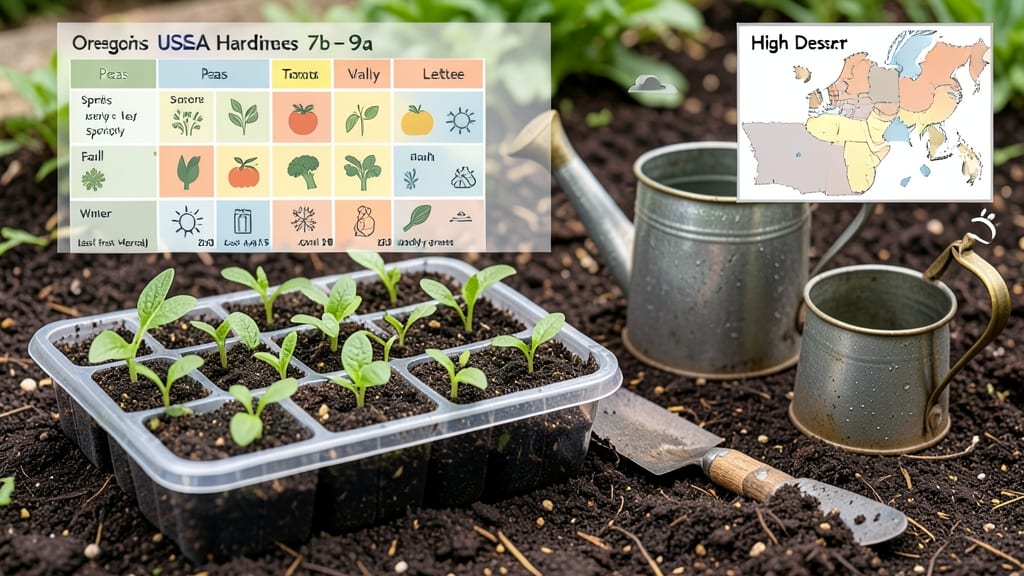
Oregon’s last frost dates by zone: when to plant cool vs warm-season crops
Oregon’s last frost dates vary wildly—from March 1 in Medford to May 15 in Bend. These deadlines determine whether your tomatoes or lettuce survive the season. Miss them, and you risk frost damage that stunts growth or kills plants entirely.
But get them right, and you’ll enjoy a longer harvest season with fewer setbacks.
Most Oregon gardeners fall into USDA zones 6-9, but even within a single county, microclimates can shift planting windows by 4-6 weeks. For example, Portland’s last frost typically hits around April 15, while coastal areas like Astoria may see frost as late as May 1.
Meanwhile, high-desert regions like La Pine often warm up by May 10, giving warm-season crops an earlier start.
To simplify, I’ve broken down cool-season crops (like kale and peas) and warm-season crops (like peppers and cucumbers) by region. Plant cool-season crops 4-6 weeks before your last frost, while warm-season crops should wait until 2 weeks after the frost-free date.
This ensures they’re established before summer heat arrives.
| Region | Last Frost Date | First Frost Date | Cool-Season Planting Window | Warm-Season Planting Window |
|---|---|---|---|---|
| Coastal (Astoria, Cannon Beach) | May 1 | October 1 | March 15 - April 15 | May 15 - June 1 |
| Willamette Valley (Portland, Salem) | April 15 | October 15 | February 15 - March 15 | April 30 - May 15 |
| Southern Oregon (Medford, Ashland) | March 1 | November 15 | January 15 - February 15 | April 1 - April 15 |
| High Desert (Bend, La Pine) | May 15 | September 15 | April 1 - April 15 | May 30 - June 15 |
Dates are averages—check local forecasts for adjustments!
For cool-season crops, think leafy greens, broccoli, and carrots. These thrive in cooler temperatures and can often handle light frosts. In Portland, I plant spinach as early as February under row covers, while kale can handle March frosts
How Oregon’s microclimates change planting windows: coastal vs desert timing
Oregon’s coastal regions and high-desert areas create wildly different planting schedules. While Astoria might still see frost in late May, Bend could be frost-free by early May—meaning your tomato seeds might go in weeks earlier inland! These differences aren’t just about dates; they affect plant selection and seasonal strategies too.
Let’s break down how to adjust your planting timeline based on Oregon’s two extremes: the cool, moist coastal climate and the hot, dry desert conditions. Your location could mean the difference between a thriving garden and a failed harvest.
🌱 Coastal Oregon (Zones 7b-8a): Think Astoria or Seaside. These areas have longer cool seasons and shorter growing windows for warm-season crops. Your last frost might be as late as May 15, but summers are mild—perfect for leafy greens and cool-weather crops like kale and carrots.
🏜️ High-Desert Oregon (Zones 6b-7a): Areas like Bend or La Pine have earlier last frosts (as early as May 1) but hotter summers. This means you can plant warm-season crops like peppers and eggplants weeks before coastal gardeners—but you’ll need to water deeply to prevent stress.
| Region | Last Frost | First Frost | Best for Warm-Season Crops | Best for Cool-Season Crops |
|---|---|---|---|---|
| Coastal (Astoria) | May 15 | October 1 | Late May–June | March–April, September |
| Willamette Valley (Portland) | April 15 | October 15 | May–June | February–April, September–October |
| High Desert (Bend) | May 1 | September 15 | April–May | March, September–October |
| Southern Oregon (Medford) | March 1 | November 15 | March–April | January–February, September–November |
If you’re in a transition zone (like the Willamette Valley), you’ll need to monitor local frost alerts and adjust.
For example, tomatoes can go in by May 1 in Bend but wait until June 1 in Astoria. Succession planting becomes key—plant lettuce in early spring and again in late summer to avoid bolting.
For high-desert gardeners, focus on drought-tolerant plants like zucchini or melons, which thrive in heat. Coastal gardeners should prioritize shade-tolerant crops like spinach or radishes to avoid overheating. Microclimate awareness is your secret weapon for a productive Oregon garden!
Pro tip: Use a garden journal to track your local frost dates for 2–3 years. Over time, you’ll spot patterns that differ from the averages—and adjust your planting schedule accordingly. 🌿