
Planting
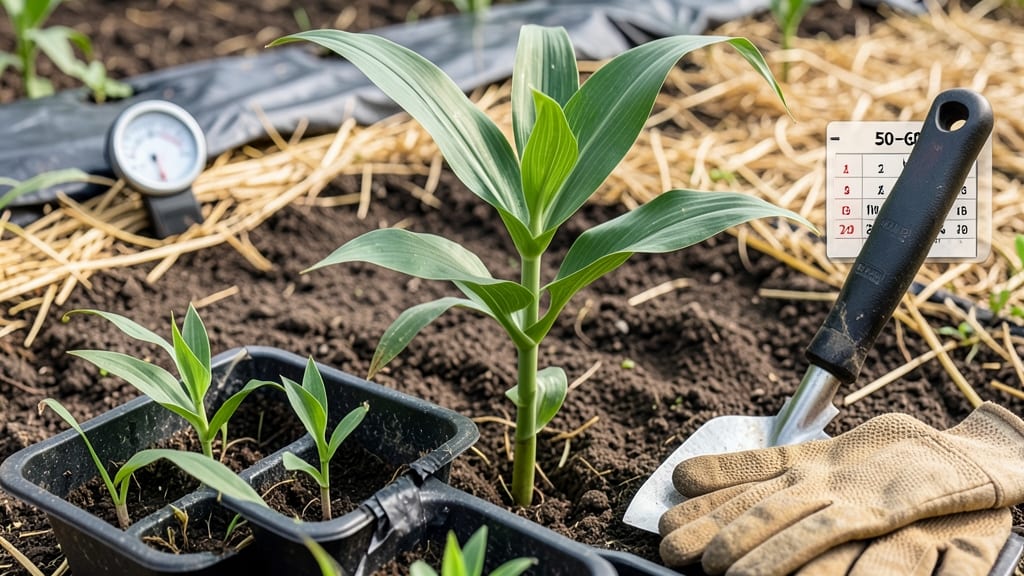
Timing your garden planting in Iowa isn’t just about luck—it’s about strategy. With USDA Zone 5b’s short growing season and unpredictable spring weather, getting your 🌱 General Garden Plants in the ground at the right moment makes all the difference between a thriving harvest and a disappointing flop.
Iowa’s last frost typically arrives around April 15, but that date can shift dramatically from year to year. Cool-season crops like peas and spinach need to go in 4-6 weeks before that final frost, while warm-season favorites like tomatoes and peppers should wait until after the danger has passed.
Getting this wrong means either stunted growth or wasted effort.
This guide breaks down the exact planting windows for every type of General Garden Plant—vegetables, flowers, herbs, and perennials—so you can maximize your yields without guessing.
Whether you’re a first-time gardener or a seasoned green thumb, these proven timelines will help you work with Iowa’s climate instead of against it.
Ready to turn your garden dreams into reality? Let’s dive into the perfect planting schedule for your Iowa garden, crop by crop.
Iowa’s USDA Zone 5b planting timeline by crop type
Timing your garden in Iowa’s USDA Zone 5b means working with an average 165 frost-free days—every week counts! Cool-season crops like kale, peas, and spinach thrive when planted 4-6 weeks before your last frost (typically around April 15).
Warm-season favorites such as tomatoes, peppers, and corn need to wait until after the last frost, usually May 10–20, when soil temps hit 50°F+.
Iowa’s unpredictable spring weather demands flexibility—late frosts can delay planting by 2–3 weeks, while early warm spells might tempt you to plant too soon. Use row covers for early starts or opt for transplanting seedlings instead of direct sowing to shave off critical days.
For example, broccoli sown in early March under cover can give you a head start, while cucumbers planted in late May avoid frost damage.
Here’s the golden rule for Iowa gardeners: Cool-season crops = early spring, warm-season crops = late spring, and succession planting = summer. Succession planting—like sowing lettuce every 2 weeks—extends harvests into fall’s first frost (mid-October).
This strategy is your secret to year-round garden productivity in Iowa’s short season.
🌱
| Crop Type | Planting Window | Soil Temp Threshold | Succession Planting? | Key Notes |
|---|---|---|---|---|
| Cool-Season Veggies (kale, spinach, peas) | March 15–April 15 | 40–50°F | Yes (every 2–3 weeks) | Tolerates light frost; harvest before bolting. |
| Warm-Season Veggies (tomatoes, peppers, corn) | May 10–20 (after last frost) | 50–60°F | Yes (every 3–4 weeks) | Use row covers for early starts; transplant seedlings. |
| Herbs (basil, cilantro, dill) | April 1–May 15 | 45–55°F | Yes (every 4 weeks) | Basil hates frost; sow after last frost. |
| Flowers (marigolds, zinnias, sunflowers) | April 15–June 1 | 50°F+ | Yes (every 3 weeks) | Direct sow after frost; deadhead for continuous blooms. |
| Fall Crops (radishes, lettuce, carrots) | July 15–August 15 | 55–65°F | Yes (every 2 weeks) |
How to adjust planting dates for Iowa’s unpredictable weatherIowa’s unpredictable spring frosts and swinging summer temperatures can throw even the most experienced gardener off track. A late frost in May or an early chill in September might ruin your carefully planned planting schedule—but with the right adjustments, you can still secure a bountiful harvest. The key? Flexibility and preparation. First, always check your local frost-free date—Iowa’s average last frost typically falls around April 15, but it can vary by 1-2 weeks depending on your region. Use row covers or cold frames to extend your growing season by 2-4 weeks for early plantings like lettuce or spinach. For warm-season crops like tomatoes and peppers, wait until the soil reaches at least 60°F before planting. 🔍 Visual Tip: Use a soil thermometer to monitor temperatures—this is your best tool for avoiding frost damage to tender seedlings. If temperatures dip unexpectedly, have backup planting dates ready, especially for high-value crops like tomatoes or cucumbers. ⚠️ Watch for These Iowa-Specific Risks
Pro Tip: Keep a gardening journal to track local weather patterns and adjust future planting dates accordingly. For succession planting, stagger your sowings every 2 weeks to ensure a continuous harvest. For example, plant bush beans in early May, then again in late June for a fall crop. This strategy works especially well for leafy greens like spinach or radishes, which mature quickly. If a heatwave stalls growth, opt for shade-tolerant varieties like malabar spinach or amaranth. These thrive in partial shade and can handle Iowa’s humid summers better than traditional crops. Always prioritize well-draining soil to prevent waterlogged roots during heavy rains. Finally, don’t forget about fall planting! Many cool-season crops like kale, carrots, and garlic can be sown as early as mid-August for a harvest before the first frost. This extends your growing season by 4-6 weeks and maximizes your garden’s potential. With these adjustments, you’ll turn Iowa’s unpredictable weather into an advantage—because the best gardeners aren’t just patient, they’re prepared. 🌱 |