
Flowers
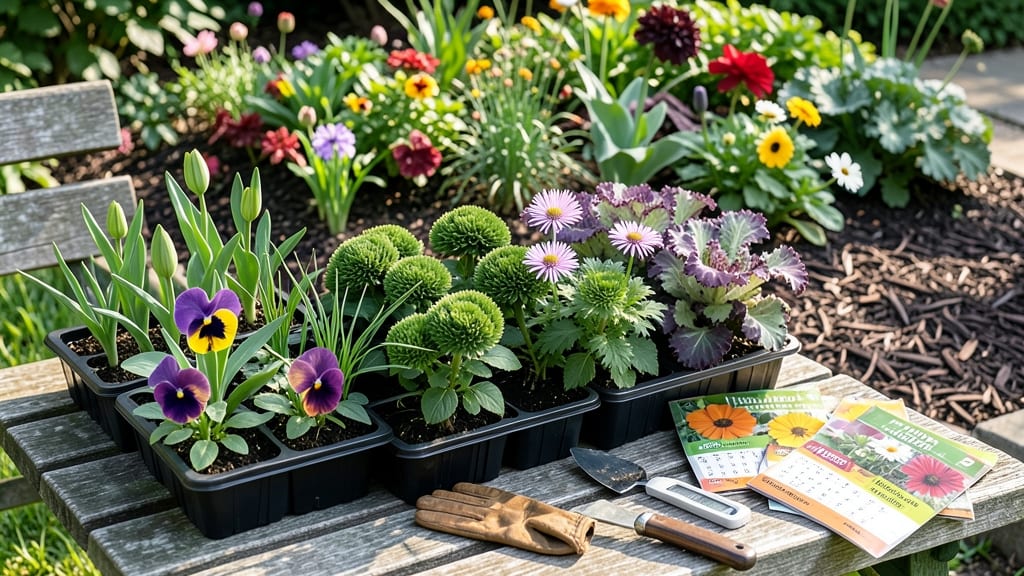
Timing your flower planting in New York isn’t just about following a calendar—it’s about outsmarting the unpredictable weather that can turn your garden dreams into frost-killed disappointment.
Whether you’re in USDA Zone 5b upstate or the warmer Zone 7a of NYC, getting those 🌸 in the ground at the right moment means the difference between a showstopping display and wasted effort.
The key? Planting after the last frost date—typically around mid-April for most of the state, but earlier in urban heat islands like Manhattan. I’ll show you how to read the signs, adjust for microclimates, and even push your planting window with simple tricks like row covers or cold frames.
No more guessing games—just science-backed deadlines tailored to your corner of New York.
Why does this matter? Because even the hardiest flowers—like coneflowers or daylilies—can’t survive a late surprise frost. I’ll walk you through the exact steps to time your spring and fall plantings, from soil prep to choosing the right varieties for your zone.
Whether you’re a city balcony gardener or a suburban plot owner, these tips will help you maximize blooms without the risk.
Ready to transform your garden into a year-round paradise? Let’s dive into the zone-specific deadlines and pro strategies that’ll keep your flowers thriving—no matter what Mother Nature throws your way.
New York’s frost-free planting zones: when to plant flowers by region
New York’s diverse climate—from NYC’s urban heat islands to the Finger Lakes’ chilly valleys—means last frost dates can vary by 3+ weeks. Understanding your USDA zone (5a-7a) and local microclimates is key to avoiding frost damage.
For example, Upstate NY (zones 5a-6a) typically sees its last frost around May 1-15, while Long Island (zone 7a) often warms up by April 15. Urban areas like NYC may experience earlier frost-free windows due to concrete absorbing heat.
To pinpoint your exact planting window, check the National Weather Service or Cornell Cooperative Extension for your county’s historical frost dates. For instance, Albany (zone 6a) averages a last frost on April 25, while Buffalo (zone 6b) holds off until May 10.
Even within cities, neighborhoods can differ—rooftop gardens in Brooklyn might thaw 10 days earlier than ground-level plots in the Bronx.
Here’s how to adjust for your region’s unique conditions:
| Region | USDA Zone | Avg. Last Frost | Planting Window | Microclimate Tip |
|---|---|---|---|---|
| NYC & Long Island | 7a | April 15 | April 20–May 10 | Urban heat delays frost; use containers for flexibility. |
| Hudson Valley | 6a-6b | April 25–May 5 | May 1–15 | River valleys warm faster; monitor nighttime temps. |
| Finger Lakes | 5b-6a | May 1–10 | May 15–30 | Lakeside areas stay cooler; plant late. |
| Western NY (Buffalo) | 6b | May 10 | May 15–June 1 | Wind exposure increases frost risk; use windbreaks. |
For container gardening in NYC or other urban areas, you can plant heat-loving flowers like geraniums or marigolds as early as April 1 if you move pots indoors during cold snaps.
However, in-ground planting should always wait until soil temps hit 50°F—use a soil thermometer to confirm. Cold soil can stunt root growth, even if air temps are warm.
Pro tip: If you’re in zone 5a or 6a, consider cold-hardy annuals like pansies or snapdragons, which can handle light frosts (28°F) and extend your blooming season.
These thrive when planted 4-6 weeks before your last frost date, giving them time to establish roots before summer heat arrives.
Another trick for late bloomers like cosmos or zinnias is to start seeds indoors in March and transplant after May 1. This ensures they’re mature enough to outcompete weeds and resist pests before summer’s end. Just be prepared to protect seedlings with row covers if a late frost sneaks in.
If you’re unsure about your local frost risk, sign up for free alerts from the National Weather Service or use apps like PlantNet to track localized frost forecasts. These tools can give you 48-hour warnings so you can cover tender plants if needed.
For example, a false spring in early April followed by a hard freeze in May has wiped out many a gardener’s early efforts—don’t let it happen to you!
Remember, fall planting is just as critical as spring. In NY’s zones 5a-6a, you can plant cool-season flowers like calendulas or stock as late as September 1, giving them time to root before winter.
In warmer zone 7a, extend this to October 15. The key is to plant 6-8 weeks before your first frost date so flowers can bloom before cold sets in.
Finally, if you’re in a microclimate—like a south-facing wall or sunny rooftop—you can push planting dates 1-2 weeks earlier. Use a minimum thermometer to track nighttime temps; if they stay above 40°F, it’s safe to plant tender annuals.
But always have row covers on hand for unexpected dips below 32°F.
Best flowers to plant in New York by season: timing for maximum blooms
New York’s short growing season demands strategic flower planting to maximize blooms. Whether you’re in NYC’s urban heat islands or the cooler Finger Lakes, timing matters—annuals like petunias and marigolds need post-last-frost starts, while hardy perennials like coneflowers thrive when planted in early spring or fall.
Let’s break down the optimal planting windows for each season.
Spring is your prime planting window for most flowers. After the average last frost date (mid-April in NYC to early May in Upstate), transplant heat-loving annuals like sunflowers and zinnias into well-drained soil. For perennials, early spring planting (March-April) gives roots time to establish before summer heat arrives.
Pro tip: Cold-hardy varieties like pansies can handle light frosts and can even be planted in late summer for fall color.
🌸 NY Flower Planting Guide by Season
| Season | Flowers | Planting Time | Notes |
|---|---|---|---|
| Spring | Petunias, Marigolds, Sunflowers, Coneflowers | After last frost (mid-April to early May) | Annuals need warm soil; perennials establish roots. |
| Summer | Zinnias, Cosmos, Black-Eyed Susans | June-July (successive plantings) | Heat-tolerant; great for late-season color. |
| Fall | Pansies, Snapdragons, Asters | August-September (6-8 weeks before first frost) | Cold-hardy; thrives in cooler temps. |
| Year-Round | Perennials (Daylilies, Lavender) | Spring or Fall | Establishes strong root systems for longevity. |
Summer planting isn’t just for heat-loving annuals—it’s also your chance to extend the season with succession planting. Fast-growing flowers like cosmos and zinnias can be sown every 2-3 weeks from June through July, ensuring continuous blooms until frost.
For container gardens in NYC, opt for compact varieties like bachelor’s buttons or nasturtiums, which thrive in limited space and tolerate urban heat.
Fall is the secret weapon for low-maintenance blooms. Plant cold-hardy annuals like pansies and snapdragons in late summer (August-September) for vibrant fall color. These flowers tolerate light frosts and even rebloom in spring if protected.
For perennials, fall planting (September-October) gives roots time to anchor before winter, resulting in stronger stems and more blooms next season.
Don’t overlook microclimates—your urban balcony might stay 5°F warmer than your backyard. Use heat-tolerant varieties like portulaca or lantana in south-facing containers to push the season’s limits.
And if you’re in Western NY, where frost dates shift earlier, start tender annuals indoors in late winter for a head start.
Pro tip: Mark your calendar for NY-specific deadlines. Most nurseries sell transplant-ready flowers by late May, so plan ahead for late-season plantings. With the right timing, your NY garden can bloom from spring to frost—no disappointment in sight! 🌿