
Flowers
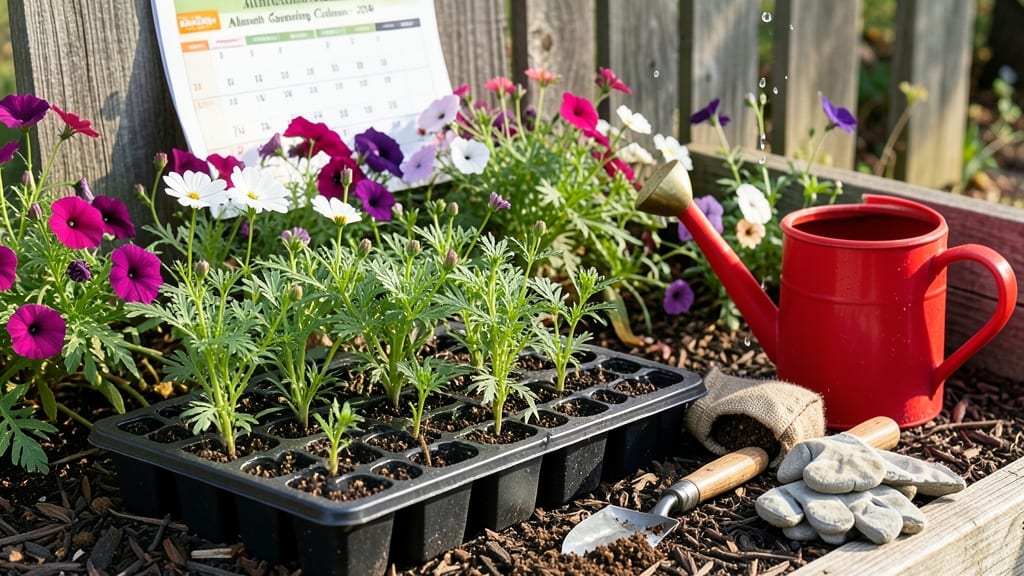
Timing your flowers planting in Alabama isn’t just about luck—it’s about catching that sweet spot between frost-free windows and peak growing conditions.
With USDA Zone 7b’s last frost typically landing between February 15 and March 15, planting too early risks frost damage, while waiting too long might mean missed blooms.
Whether you’re dreaming of vibrant 🌸 annuals or hardy perennials, Alabama’s climate offers a generous growing season—but only if you play by its rules. The key is knowing when to tuck in cool-season favorites like pansies and when to introduce heat-lovers such as petunias without risking wilting.
I’ve spent years perfecting the timing, and what I’m about to share will help you avoid common pitfalls—like planting marigolds before the soil warms or skipping fall prep for next spring’s blooms. Let’s dive into the exact deadlines and strategies to make your Alabama garden thrive.
From Birmingham’s cooler pockets to Mobile’s extended seasons, we’ll cover regional tweaks so you can plant with confidence. Ready to turn your garden into a year-round showstopper? Let’s get started.
Alabama flower planting calendar by month: USDA Zone 7b deadlines
Alabama’s USDA Zone 7b offers gardeners a 210-240 day frost-free window, but knowing the exact monthly deadlines for planting flowers is critical. The last frost date typically falls between February 15 and March 15, while the first frost arrives around mid-November.
This means your peak planting windows are late winter/early spring (Feb-Mar) and early fall (Aug-Sep).
Southern Alabama (e.g., Mobile) enjoys slightly earlier last frosts (February 1), while northern areas (e.g., Huntsville) may see frost lingering until March 30. Always check local NOAA frost data or the Alabama Extension Service for precise updates before planting.
Below is your month-by-month guide to planting flowers in Alabama, including ideal soil temperatures and flower types suited to each season. Whether you’re planting cool-season annuals like pansies or heat-loving marigolds, timing ensures vibrant blooms all year.
🌱
| Month | Plant Type | Ideal Soil Temp (°F) | Best Flowers | Notes |
|---|---|---|---|---|
| February | Cool-Season Annuals | 45-55°F | Pansies, Snapdragons, Violas | Plant 4-6 weeks before last frost; use row covers if frost is predicted. |
| March | Warm-Season Annuals | 60-70°F | Petunias, Marigolds, Zinnias | Wait until soil warms and last frost has passed; ideal for containers. |
| April | Perennials & Bulbs | 50-60°F | Coneflowers, Black-Eyed Susans, Tulips | Plant perennials after danger of frost; bulbs can go in early spring. |
| May | Heat-Tolerant Annuals | 70-80°F | Sunflowers, Lantana, Portulaca | Direct-sow seeds after soil is consistently warm; mulch to retain moisture. |
| August-September | Fall Bloomers | 60-70°F | Asters, Chrysanthemums, Pansies | Plant 6-8 weeks before first frost for fall color; great for containers. |
For cool-season flowers like pansies and snapdragons, start seeds indoors in January or plant directly in February if your soil is workable. These frost-hardy annuals can handle light frosts and will bloom earlier in the season, adding color to your garden as soon as March.
By March, shift focus to warm-season annuals such as petunias and marigolds. These thrive in Alabama’s hot, humid summers but require soil temperatures above 60°F to germinate successfully. If you’re in North Alabama, wait until mid-to-late March to avoid frost damage.
Perennials like black-eyed Susans and coneflowers are best planted in early spring (March-April) or early fall (September-October). Fall planting gives roots time to establish before winter, resulting in stronger blooms next spring.
For bulbs like tulips and daffodils, plant them in late fall (November) or early spring (March) for reliable blooms.
🌿
Summer planting in Alabama isn’t just for heat-tolerant annuals like zinnias and sunflowers. Late summer (August-September) is also the perfect time to plant fall-blooming flowers such as asters and chrysanthemums. These varieties thrive in cooler fall temperatures and provide a second wave of color before winter sets in.
To maximize your Alabama flower garden’s success, always test your soil’s pH and fertility before planting. Most flowers prefer a slightly acidic to neutral pH (6.0-7.0). Amend your soil with compost or organic matter to improve drainage and nutrient retention, especially in clay-heavy soils common in Alabama.
Finally, keep an eye on local weather forecasts and adjust your planting timeline accordingly. A late frost in March or an early heatwave in April can both impact your garden’s success.
With this month-by-month guide, you’ll be well on your way to a blooming, vibrant Alabama garden all year round.
☀️
How to adjust planting dates for Alabama’s microclimates and frost risks
Alabama’s diverse climate means last frost dates can vary by 1-2 weeks between Birmingham and Mobile. In North Alabama (Huntsville), frost lingers until March 20, while South Alabama (Mobile) often sees frost-free conditions by March 1.
Always check NOAA’s frost maps or the Alabama Extension for real-time updates—your neighbor’s garden might not match your timeline!
Microclimates play a huge role too. Urban areas like Birmingham can be 5°F warmer than rural spots, delaying frost. If you’re in a valley or low-lying area, frost risk increases—opt for heat-loving annuals like zinnias or sunflowers to hedge your bets. For cooler pockets, cool-season flowers like pansies thrive when planted 4-6 weeks before last frost (mid-February).
Row covers and cold frames are game-changers for extending seasons. Use lightweight frost cloth to protect seedlings until April 15, even in Zone 7b. For container gardening, move pots near walls or under eaves to trap heat—this buys you 2-3 extra weeks of planting flexibility. Just avoid plastic covers, which can overheat plants in Alabama’s sweltering April sun.
Common mistakes derail even the best-laid plans. Planting warm-season flowers (petunias, marigolds) before April 15 risks frost damage, while cool-season blooms (snapdragons, calendula) planted after March 1 may bolt in the heat. Pro tip: Start cool-season flowers indoors in January to get a jump on the season—this ensures they’re ready for late-February outdoor transplanting.
Frost alerts from the National Weather Service are your best friend. Sign up for local alerts so you can cover tender plants or move containers indoors overnight. In Alabama’s unpredictable spring, a single late frost can wipe out weeks of progress—don’t skip this step! For extra protection, mulch heavily around perennial roots in late fall to insulate them through winter.
Container gardeners have unique advantages. Since pots warm up faster than soil, you can plant heat-loving flowers (geraniums, vinca) 2 weeks earlier than in-ground plants. Just ensure containers have drainage holes—Alabama’s clay-heavy soil and sudden downpours can drown roots fast. Elevate pots on caulk strips or bricks to prevent waterlogging during our spring rain deluges.
Fall planting is another secret weapon. Alabama’s first frost usually hits mid-November, so aim to plant cool-season flowers (mums, asters) by September 15 for a fall-to-winter show. Use black plastic mulch to warm soil and get seeds sprouting faster—this is especially helpful in North Alabama’s shorter growing season. Just avoid planting after October 15, or you’ll risk frost damage before blooms even appear.
⚠️ Warning: Don’t Fall for These Planting Traps!
- 🌱 Planting too early: Cool-season flowers like pansies can rot if soil temps exceed 50°F.
- 🌡️ Ignoring soil temps: Warm-season flowers need soil at 60°F+—check with a soil thermometer!
- 🌧️ Skipping frost watches: Alabama’s "false springs" can fool you—always verify frost-free dates.
- 🪴 Overcrowding containers: Too many flowers = root competition and poor air circulation.
Pro tip: Use Alabama Extension’s Planting Calendar as your go-to guide—it’s tailored to our state’s quirks!
For urban gardeners, pavement and buildings create heat islands that can push planting dates 10 days earlier than rural areas.
If your garden is near a brick wall or asphalt, test soil temps with your finger—if it’s warm to the touch by 10 AM**, it’s safe to plant heat-sensitive flowers.
And remember: Alabama’s humidity means fungal diseases lurk year-round—always water at soil level (not overhead) to keep blooms healthy and vibrant.