
Plants
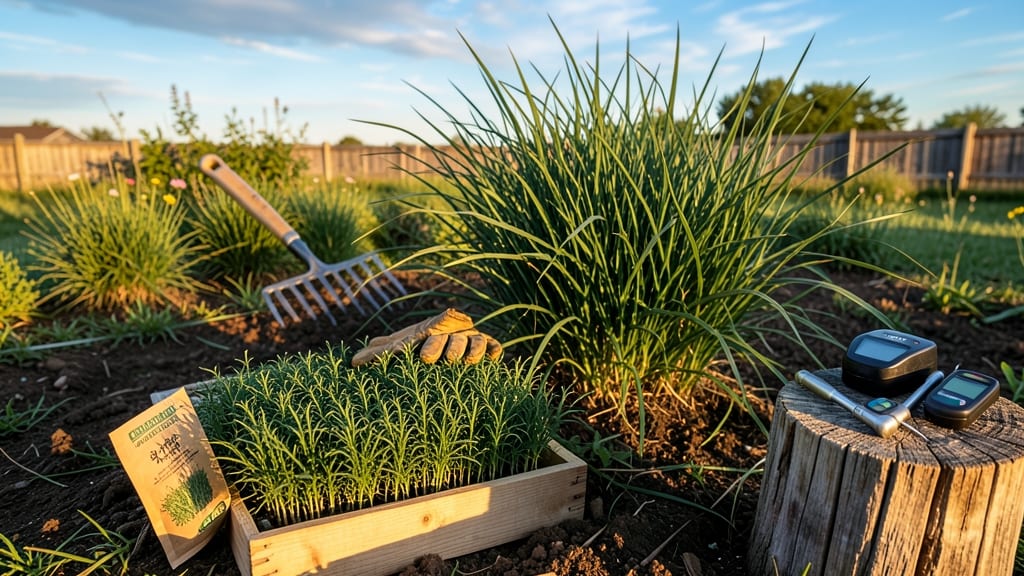
Timing your fescue planting in Kansas is the secret to a thick, green lawn that outlasts Kansas’ brutal summers and unpredictable winters. Skip the wrong window, and you’ll end up with weak roots struggling to establish before the cold sets in.
For Kansas gardeners in zones 5b-7a, late summer to early fall—think August through October—is your golden opportunity. This cool-season grass thrives when soil temps dip below 80°F, giving it time to root deep before winter dormancy.
Plant too early, and the heat will stress your seedlings; too late, and frost will cut their growth short.
But here’s the kicker: Kansas’ microclimates mean timing matters even more. Whether you’re in humid eastern Kansas or the drier western plains, we’ll break down exactly when to plant for your specific zone. Plus, I’ll share soil prep tips to ensure your fescue takes hold like a pro.
Ready to transform your yard into a lush, resilient oasis? Let’s dive into the best planting strategies tailored just for Kansas’ unique climate.
Best planting months for fescue in Kansas: avoiding heat and drought stress
Timing your fescue grass planting is critical in Kansas, where summer heat and fall droughts can stress young seedlings. The ideal window is late summer to early fall—specifically August through October—when soil stays warm enough for germination but temperatures begin cooling.
This gives fescue 4-6 weeks to establish roots before winter dormancy.
Missed the fall window? You can still plant in late spring (May), but success depends on immediate rainfall. Spring planting risks heat stress and competition from weeds, so it’s riskier unless you’re in a cooler microclimate like northeastern Kansas.
Kansas’ USDA Zones 5b-7a mean frost dates vary—average first frost hits around October 20, but western areas like Wichita may freeze earlier. Planting 6 weeks before frost ensures strong root growth before winter.
| Month | Soil Temp (°F) | Rainfall (in) | Risk Level |
|---|---|---|---|
| June | 75-85°F | 3.5-4.5 | Medium (weed competition) |
| July | 80-90°F | 2.5-3.5 | High (heat stress) |
| August | 75-85°F | 3.0-4.0 | Low (ideal germination) |
| September | 65-75°F | 3.0-4.5 | Low (root establishment) |
| October | 50-60°F | 2.0-3.0 | Medium (early frost risk) |
For western Kansas (e.g., Garden City), aim for late August—soil stays warm longer, but droughts are common. In eastern Kansas (e.g., Kansas City), September offers cooler temps and reliable rainfall. Always check your local Almanac frost dates—they’re your best guide.
Pro tip: If planting in late September, use a lightweight straw mulch to insulate seeds from temperature swings. This mimics natural fall conditions and reduces transplant shock when winter arrives.
Missed the fall window entirely? Spring overseeding (March-April) is possible, but fescue grows slowly in cool soil. Use a starter fertilizer with phosphorus to encourage root development before summer heat sets in.
Remember: Fescue thrives in cool seasons, so planting too early (May) risks heat stress, while planting too late (November) leaves little time for root growth before frost. Balance is key—late August to early September is your sweet spot.
🌱
Best planting months for fescue in Kansas: avoiding heat and drought stress
Kansas’ cool-season fescue thrives when planted during the 4-6 weeks before first frost, typically between mid-August and mid-October. This window ensures seedlings establish roots before winter dormancy, giving them a head start in spring.
The key is avoiding soil temperatures above 80°F, which stresses fescue and slows germination.
For most of Kansas—especially USDA zones 5b-7a—late August to early September is ideal. This timing aligns with cooling air and soil temps, reducing drought stress. However, western Kansas (e.g., Garden City) may benefit from planting slightly earlier, around mid-August, due to hotter, drier conditions.
Here’s how Kansas’ microclimates influence timing:
| Region | Best Planting Window | Key Consideration |
|---|---|---|
| Eastern Kansas (Topeka, Kansas City) | Late August – Early October | Higher humidity; avoid late October frost risk |
| Central Kansas (Wichita, Salina) | Mid-August – Mid-September | Moderate temps; prioritize early root growth |
| Western Kansas (Garden City, Dodge City) | Late July – Early September | Drier; plant earlier to escape heat |
Miss the fall window? Spring planting is possible but riskier—seedlings face drought and heat stress by summer. If you must plant in spring, aim for early April (after last frost) and use shade cloth to protect young grass until roots establish.
Pro tip: Check your local Kansas State University Extension frost dates annually—they’re your best guide. For example, Kansas City averages its first frost around October 20, while Garden City sees frost by October 10. Plant accordingly!
Remember: Fescue needs 4-6 weeks to establish roots before winter. Rushing the timeline means weaker grass vulnerable to drought, weeds, and winter kill. Take your time—your lawn will thank you next spring.