
Plants
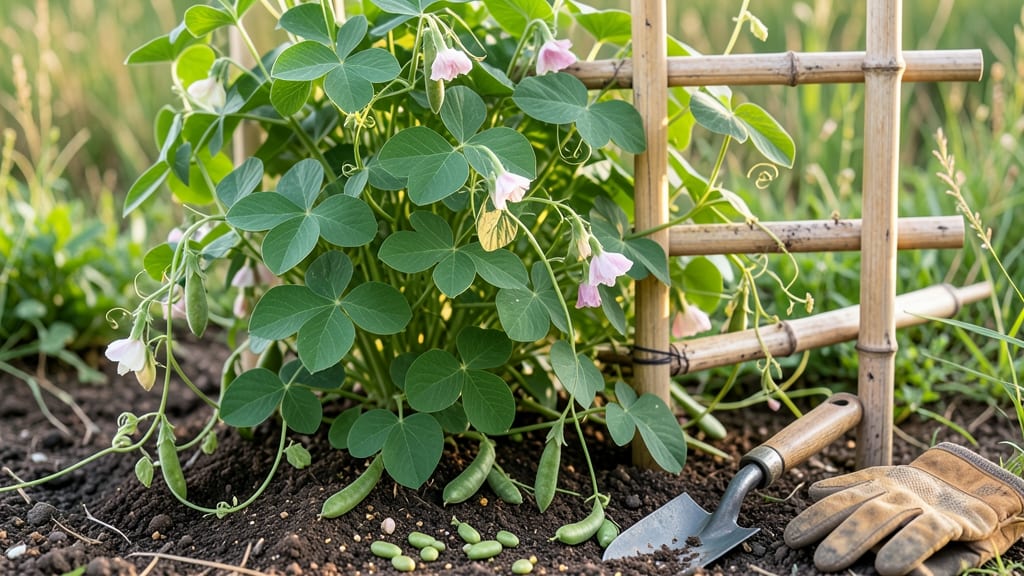
Timing when to plant Dixie Lee peas in North Carolina just right could mean the difference between a thriving garden and a wasted effort. These cold-hardy peas demand precision—plant too early, and frost will nip them in the bud; too late, and you’ll miss the sweet window for harvest.
North Carolina’s diverse climate—from coastal plains to mountain elevations—makes this even trickier. The key is knowing your last frost date, which shifts from mid-March in the Piedmont to late April in the mountains.
I’ll break down the exact planting windows for each zone so you can avoid common mistakes and maximize your yield.
Whether you’re a first-time gardener or a seasoned green thumb, getting the timing right is half the battle. We’ll cover soil prep, succession planting, and even how to adjust for North Carolina’s unpredictable weather patterns. Let’s make sure your Dixie Lee peas get the start they deserve.
By the end, you’ll know not just when to plant, but how to set them up for success—so you can enjoy fresh, homegrown peas from May through June (or even a fall harvest if you’re planting in August). Ready to dig in?
NC planting dates for Dixie Lee peas by elevation: coastal, Piedmont, and mountain zones
North Carolina’s diverse elevations—from coastal plains to mountain valleys—create wildly different frost calendars for Dixie Lee peas. These cold-hardy plants thrive when planted at the right time, but timing varies by 2-4 weeks across the state.
Let’s break down the exact windows for coastal, Piedmont, and mountain regions to ensure your peas avoid frost damage and reach peak yield.
For coastal NC (USDA Zones 8a-8b), the last frost typically arrives by March 1-15, while mountain regions (USDA Zones 6a-7a) can see frost until May 1.
Piedmont gardeners fall somewhere in between, with last frosts around March 15-April 1. Dixie Lee peas tolerate light frosts but need soil temperatures above 40°F to germinate reliably.
Here’s the critical rule: Plant 2-3 weeks before your last frost date for spring peas. This gives seedlings time to establish roots before warm weather arrives.
For fall plantings, aim for August-September to harvest before the first frost in November. Mountain gardeners can push fall plantings slightly later due to cooler temperatures.
| Region | Last Frost Date | Ideal Planting Window | Soil Temp Threshold | First Frost Warning |
|---|---|---|---|---|
| Coastal (Wilmington, Morehead City) | March 1-15 | February 15-March 1 | 45°F+ | November 1-15 |
| Piedmont (Raleigh, Greensboro) | March 15-April 1 | March 1-April 15 | 40°F+ | November 10-25 |
| Mountains (Asheville, Boone) | April 15-May 1 | March 15-April 30 | 38°F+ | October 15-November 1 |
*Adjust for microclimates—valleys stay colder longer than ridges.
Pro tip: Use black plastic mulch in mountain regions to warm soil faster, extending your planting window by 1-2 weeks. Coastal gardeners should avoid planting too early—humid soils can cause rot before germination. Always test soil moisture; Dixie Lee peas need consistent dampness but hate soggy conditions.
For 2024-2025 adjustments, NC State Extension recommends pushing coastal plantings 5 days earlier due to warming trends, while mountain gardeners should delay by 3-5 days to account for unpredictable late frosts. Check the NC A&T AgWeather tool for real-time updates.
Remember: Dixie Lee peas mature in 60 days, so time your planting to finish harvests before summer heat (above 85°F) or fall frosts. Spring plantings should yield by late May-early June, while fall crops are ready by October. Plan ahead to avoid wasted effort!
If you’re in Zone 7a (mountains), consider a second fall planting in July for a late-October harvest. Just monitor weather closely—mountain valleys can drop below freezing unexpectedly. Use row covers if frost threatens during flowering.
🌱
How to time Dixie Lee peas for maximum yield: soil prep and succession planting
Perfecting the timing for Dixie Lee peas isn’t just about frost dates—it’s also about giving your plants the ideal soil conditions and planting them in a way that extends your harvest.
These peas thrive in cool, fertile soil with good drainage, but North Carolina’s varied climates mean you’ll need to adjust your approach whether you’re in the humid coastal plains or the cooler mountain valleys.
Start by testing your soil’s pH level—Dixie Lee peas prefer a slightly acidic to neutral range of 6.0-7.0.
If your soil is too alkaline, mix in compost or peat moss to lower the pH. For mountain regions, add aged manure or bone meal to boost phosphorus, which encourages strong root and vine development. Coastal gardeners should focus on improving drainage to prevent root rot from heavy rains.
One of my favorite tricks for mountain gardeners is to use black plastic mulch in early spring. This warms the soil faster, letting you plant 2-3 weeks earlier than usual.
Just remove it once soil temps hit 70°F to prevent overheating. For coastal regions, focus on shade cloth during peak summer to protect peas from heat stress.
Succession planting is where the magic happens for extended harvests. Since Dixie Lee peas mature in 60 days, stagger plantings every 2 weeks from March through May. This ensures you’re always picking fresh pods instead of facing a single overwhelming harvest.
Mountain gardeners can push this to late June for fall crops, while coastal areas might stop by mid-May to avoid summer heat.
Don’t forget about overwintering tips for mountain regions! If you’re in Zone 7a, plant a late-summer crop in August for a fall harvest in October-November. Use row covers if frost threatens during flowering—just remove them during the day to prevent overheating.
For coastal areas, aim for August-September plantings to harvest before the first frost in mid-November.
🌿