
Plants
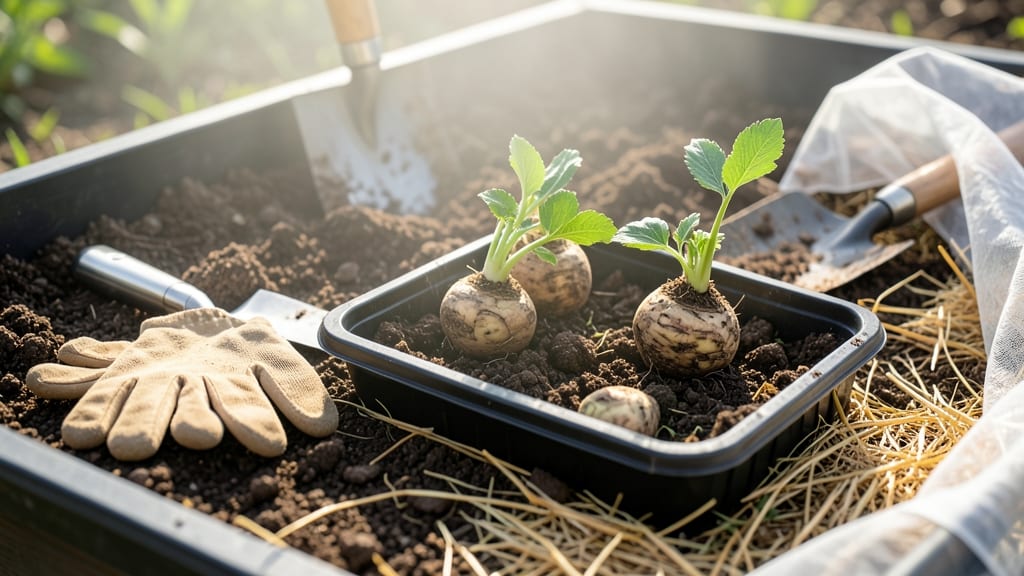
Timing your dahlia planting in Maine can mean the difference between a garden bursting with 🌼 blooms and a season of missed opportunities.
With Maine’s Zone 6B climate, getting the timing right—after the last frost but before summer heat—is the key to thriving dahlias that reward you with vibrant flowers from July to October.
Most gardeners in Maine wait until mid-to-late May, when soil temperatures finally hit that sweet spot of 60°F. But here’s the catch: coastal areas and inland microclimates can vary by 2 weeks, so knowing your exact last frost date (usually around May 15) is non-negotiable.
Plant too early, and tender tubers risk frost damage; too late, and you’ll miss peak blooming season.
I’ve grown dahlias in Maine for years, and I’ll show you exactly how to navigate these challenges—from prepping tubers to protecting your plants from late frosts. Whether you’re working with rocky soil, short growing seasons, or even container gardening, these tips will help you maximize your dahlias’ potential.
Ready to transform your garden? Let’s dive into the step-by-step guide that’ll have your dahlias thriving, no matter where you are in Maine’s diverse climate zones.
Maine’s zone 6B frost dates: when to plant dahlias for maximum blooms
Maine’s Zone 6B climate means dahlias must wait for the last frost date—typically around May 15 in most inland areas—but coastal regions like Portland can see frost-free conditions 1-2 weeks earlier. Dahlias are tender perennials that won’t survive even light frosts, so timing is everything.
The USDA and Maine Climate Office data show inland areas face higher frost risk until early June, while coastal gardens can plant 2 weeks sooner.
For maximum blooms, aim to plant dahlias 2-3 weeks after your area’s last frost. This gives tubers time to establish roots before summer heat arrives.
In Maine’s short growing season, this means mid-to-late May for inland gardens and early May near the coast. Soil temperature is just as critical—wait until it reaches 60°F (15°C) to avoid stunted growth.
Here’s how microclimates affect your planting window:
| Microclimate | Last Frost Date | Ideal Planting Window | Soil Temp Threshold |
|---|---|---|---|
| Coastal (Portland, Bar Harbor) | May 1–10 | Early-to-mid May | 60°F (15°C) |
| Inland (Augusta, Bangor) | May 15–25 | Mid-to-late May | 60°F (15°C) |
| Northern (Presque Isle) | June 1–10 | Early June | 60°F (15°C) |
Dahlias thrive in full sun (6+ hours daily), but Maine’s summers can be cool and short. Choose early-blooming varieties like ‘Café au Lait’ or ‘Thomas Edison’ to maximize your 145 frost-free days. These varieties tolerate cooler temperatures better than tropical hybrids, which need consistent warmth to bloom.
If you’re eager to start earlier, use row covers or a cold frame to protect tubers until soil warms. Remove covers once sprouts emerge to prevent overheating. For container gardening, plant in black pots to absorb heat faster—ideal for patios or balconies where frost lingers longer.
Heat zones also matter: Dahlias prefer moderate summer temps (70–80°F). Inland Maine can hit 90°F+ by July, which may stress tender varieties. Provide afternoon shade with lightweight shade cloth if your garden gets intense afternoon sun.
Mulch with straw or wood chips to keep roots cool and retain moisture.
Pro tip: Use a soil thermometer to confirm 60°F soil temps before planting. Cold soil slows root growth, delaying blooms. If temps fluctuate, wait 1 more week—better late than sorry with dahlias! Planting too early risks frost damage or rotten tubers.
For late bloomers, consider tender varieties like ‘Karma Choc’ or ‘Bishop’—they handle Maine’s short season better than delicate types. These varieties also resist powdery mildew, a common issue in Maine’s humid summers.
Track your local frost dates using the Maine Climate Office’s frost calendar or apps like PlantNet.
Adjust your planting date if you’re in a microclimate with late frosts, like valleys or low-lying areas. Urban gardens often warm up faster than rural ones due to heat island effect—plant 1 week earlier if you’re in Portland or Lewiston.
Step-by-step dahlias planting guide for Maine gardens: tubers to first blooms
Now that you’ve nailed your planting window, let’s dive into the step-by-step process for getting your dahlias thriving in Maine’s Zone 6B climate. The first step is prepping your tubers—this is where many gardeners go wrong, especially in Maine’s cool, rocky soil.
Start by inspecting your tubers for soft spots or mold, which can signal rot. Trim any damaged areas with a sterilized knife and let them dry for 24 hours before planting.
Next, focus on soil preparation. Dahlias need well-draining, nutrient-rich soil with a pH between 6.0 and 7.0. Maine’s native soil is often acidic and rocky, so amend it with compost or aged manure and mix in perlite or sand to improve drainage.
A raised bed is ideal if your garden soil is heavy or clay-like, as it warms up faster in spring and drains better after heavy rains.
Here’s your Maine-specific planting