
Plants
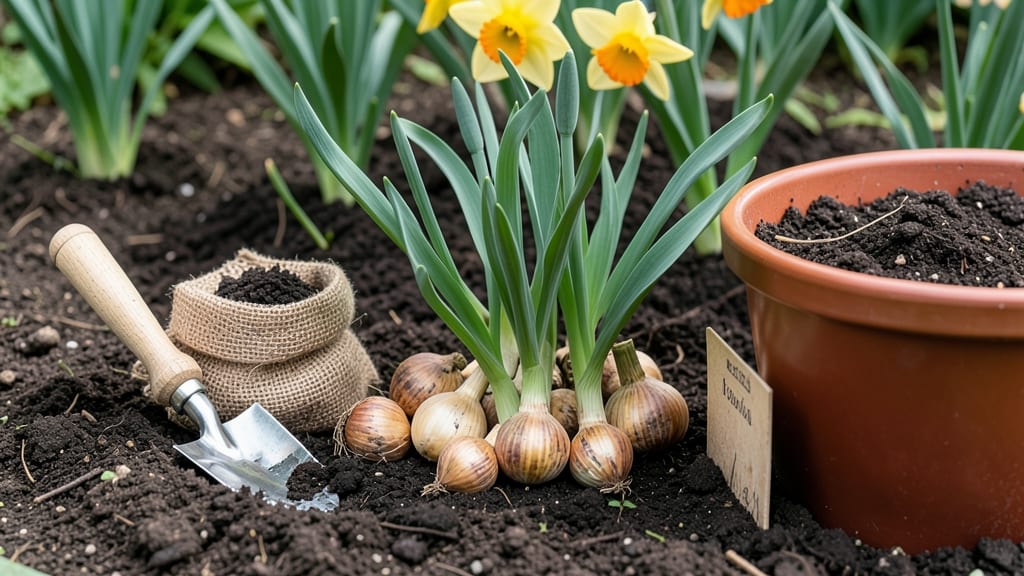
If you're wondering when to plant daffodils in Tennessee, timing is everything—especially when your state spans USDA zones 6a-8a with unpredictable frosts. Planting these cheerful 🌼 bulbs too early or too late can mean the difference between a spring full of blooms and a missed opportunity.
Tennessee gardeners know the 6-week pre-frost rule is the golden standard for daffodils. That means digging in between mid-October and November, when soil temps drop but the ground hasn’t frozen solid. This window gives bulbs time to root before winter’s chill sets in.
Why does this matter? Because daffodils are cold-hardy but not frost-proof—plant them too late, and they won’t establish strong roots before the ground freezes. Too early, and they might sprout and get nipped by a surprise frost. Let me walk you through the exact steps to nail your planting schedule.
From soil prep to spacing, I’ll cover everything you need to know to ensure your daffodils thrive in Tennessee’s 6a-8a climate. Whether you’re a first-time gardener or a seasoned pro, these tips will help you avoid common mistakes and get the most out of your 🌼 blooms.
Tennessee’s ideal daffodil planting timeline by Zone (with frost date map)
Tennessee’s diverse climate zones (6a-8a) mean your daffodil planting window varies dramatically—from early October in the mountains to mid-November in West Tennessee. The golden rule? Plant 6 weeks before your average first frost to give bulbs time to root before winter dormancy.
In Zone 6a (East Tennessee), that’s typically mid-October, while Zone 8a (Memphis area) gardeners can wait until early November.
Miss the window? Spring planting is possible in Tennessee, but blooms may arrive 1-2 weeks later than fall-planted bulbs. The trade-off? Fewer squirrel thefts and soil-borne disease risks since spring soil is warmer and drier. For best results, aim for late winter (February) when soil temperatures reach 50°F.
Here’s the critical detail: soil temperature matters more than air temperature. Use a soil thermometer—plant when readings hit 50-60°F at 6-inch depth. In Nashville (Zone 7a), this usually aligns with late October, while Chattanooga (Zone 7b) may extend into early November.
🌼 Pro Tip: Check your local Cooperative Extension Service for hyper-local frost dates. For example, Johnson City (Zone 6a) often sees frost by October 20th, while Jackson (Zone 7b) can wait until November 5th.
Tennessee’s microclimates add complexity. For example, higher elevations (Zone 6a) like Great Smoky Mountains may see frost 2 weeks earlier than valley floors. If you’re unsure, plant early—daffodil bulbs can handle light frosts once rooted, but freezing soil halts growth.
For container gardening, timing shifts slightly. Since pots cool faster than in-ground soil, plant 2-3 weeks earlier than your zone’s window. Use black plastic pots to absorb heat and extend the season. In Zone 7a (Nashville), that means mid-October for containers vs. late October for in-ground.
🌱 Remember: Daffodil bulbs need 6-8 weeks to establish roots before winter. If you plant too late, they’ll rot in cold, wet soil. Use a bulb planter to ensure 6-inch depth—deeper in sandy soils, shallower in clay.
Need a visual reference? Mark your calendar with these Tennessee-specific milestones:
- October 1: Start planting in Zone 6a
- October 15: Ideal for Zone 7a
- November 1: Last chance for Zone 7b-8a
- November 15: Spring planting window opens (for late bloomers)
✂️ Final Tip: After planting, mulch with 2-3 inches of straw to insulate bulbs. In Zone 6a, this can mean the difference between frost survival and bulb loss.
5 Signs your Tennessee soil is ready for daffodil bulbs (and 3 mistakes to avoid)
Daffodils thrive when planted in well-draining soil with the right temperature and moisture. Tennessee’s clay-heavy soils in the east or sandy soils in the west require different prep—here’s how to tell when your garden is ready. The key is 45-60°F soil temperature and proper moisture levels.
First, check your soil temperature using a soil thermometer. Daffodil bulbs need 45-60°F soil to root before winter. In Tennessee’s Zone 6a-7b, this typically means October planting when daytime highs drop to 65°F but nights stay above freezing.
Second, test for proper drainage. Press a trowel into moist soil—if water pools or drains slower than 2 hours, amend with compost or sand. Daffodils hate soggy roots, which cause rot in Tennessee’s wet springs.
🌱 5 Signs Your Soil Is Ready
- 🌡️ Soil temp between 45-60°F (test with thermometer)
- 💧 Moist but not soggy (drips but doesn’t pool)
- 🪴 No standing water after 2 hours of rain
- 🌱 pH 6.0-7.0 (test kit confirms neutral)
- 🌿 No weeds competing for nutrients
Three common Tennessee planting mistakes to avoid: planting too early (bulbs may sprout before frost), burying too shallow (3x bulb depth = rule of thumb), or ignoring soil pH. Test your soil’s acidity level—daffodils prefer 6.0-7.0 pH. Use lime for acidic or sulfur for alkaline soils.
For clay-heavy soils (common in East TN), mix in 3 inches of compost or coarse sand to improve drainage. In sandy soils (West TN), add organic matter like leaf mold to retain moisture. Both amendments help bulbs establish roots before winter’s chill.
Finally, water deeply after planting to settle soil around bulbs. A 1-inch soak ensures no air pockets—critical for root development in Tennessee’s variable winters. Mulch with 2-3 inches of straw to protect bulbs from freeze-thaw cycles.