
Plants
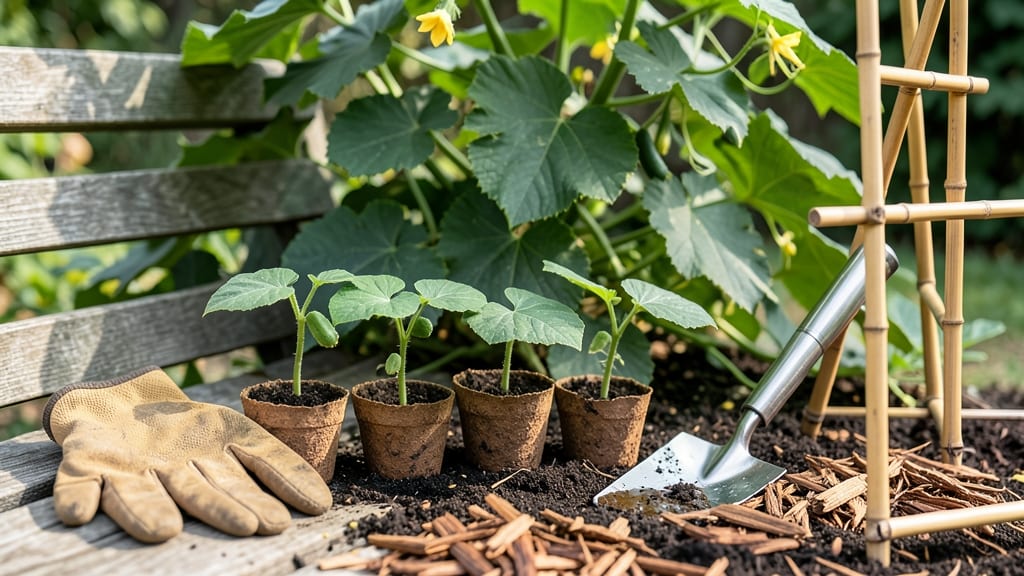
Timing your cucumber planting in New Hampshire isn’t just about waiting for spring—it’s about beating the unpredictable frost that can turn your 🥒 dreams into wilted vines overnight.
With USDA zones 5b-6b and coastal vs. inland microclimates, getting the window right means the difference between a bountiful harvest and a sad, shriveled disappointment.
Most gardeners in NH know the struggle: plant too early, and frost zaps your seedlings; too late, and you miss the peak summer growing season**.
The key is waiting until soil temperatures hit 60°F—usually late May to early June—but knowing how to adjust for your specific zone and local weather patterns makes all the difference.
In this guide, I’ll break down the exact frost-free deadlines for your zone, the best cucumber varieties for NH’s short season, and pro tips to extend your harvest into September.
Whether you’re a first-time gardener or a seasoned pro, these insights will help you grow cucumbers that thrive—not just survive—in New Hampshire’s variable climate.
Ready to turn your garden into a 🥒 powerhouse? Let’s dive into the timing, varieties, and tricks that work for NH’s unique growing conditions.
New Hampshire frost-free deadlines by planting zone (5A-6B)
New Hampshire’s USDA zones 5A-6B mean cucumbers thrive best when planted after the last spring frost, typically between late May and early June. However, exact timing depends on your microclimate—coastal areas like Portsmouth warm up faster than inland regions like Concord or White Mountains.
For zone 5A (northern NH), aim for June 1-15 when soil temps hit 60°F+. In zone 6A-6B (southern NH), you can plant as early as May 25-June 1 if your area has a longer frost-free window.
Use a soil thermometer to confirm readiness—cucumbers won’t germinate below 55°F, and growth stalls under 65°F. NH’s average last frost dates range from May 15 (coastal) to June 1 (inland), with a 10-14 day buffer recommended for safety.
🌱
| Zone | Avg Last Frost | Planting Window | Soil Temp | Microclimate Tip |
|---|---|---|---|---|
| 5A (White Mountains) | June 1-15 | June 10-25 | 60°F+ | Use row covers for early starts |
| 5B (North-Central) | May 25-June 5 | May 30-June 15 | 60°F+ | Wait for 3 consecutive warm days |
| 6A-6B (Southern NH) | May 10-20 | May 25-June 1 | 60°F+ | Coastal areas can plant 1-2 weeks earlier |
Adjust your planting date if you’ve had recent late frosts. Check the NH State Climate Office or local Cooperative Extension Service for updates. For example, the 2020 late-May frost in southern NH caught many gardeners off guard—always err on the side of caution.
Direct-sow seeds ½ inch deep, spacing them 12-24 inches apart depending on variety. In zone 5A, consider starting seeds indoors 4-6 weeks before your target outdoor date to extend the season. Use biodegradable pots to avoid transplant shock when moving seedlings outdoors.
Monitor your garden for cucumber beetles, which thrive in NH’s warm summers. Apply row covers at planting to deter them until vines develop. If you’re in a shorter-season area, opt for bush varieties like ‘Bush Champion’—they mature 55-60 days, fitting neatly into NH’s 165-day growing season.
💧
After planting, maintain consistent moisture—NH’s dry summers can stress cucumbers. Use drip irrigation or soaker hoses to deliver 1-1.5 inches of water weekly, focusing on the root zone.
Mulch with straw or grass clippings to retain soil moisture and suppress weeds, which compete for nutrients in NH’s rocky soil.
For a second harvest in late summer, try succession planting every 2 weeks until mid-July. This works best in zone 6A-6B where the growing season extends into early October. Just be prepared to use row covers if a early frost threatens in September.
Best cucumber varieties for New Hampshire’s short growing season
New Hampshire’s short growing season (just 165 frost-free days) demands cucumber varieties that mature quickly and handle cooler temperatures. I’ve grown bush types and disease-resistant hybrids with the most success—these varieties won’t let you down when summer feels too brief.
Look for labels marked "55-60 days to harvest" to maximize your NH garden’s potential.
For compact spaces like patios or small plots, bush cucumbers like ‘Bush Champion’ or ‘Spacemaster’ are game-changers. They grow 3-4 feet tall and produce small, sweet slicing cucumbers without sprawling vines. My neighbor swore off vining types after her trellis collapsed in a windstorm—bush varieties eliminated that headache entirely.
If you prefer classic slicing cucumbers, opt for vining varieties like ‘Straight Eight’ or ‘Marketmore 76’. These handle NH’s variable summer heat better than heirlooms and resist common diseases like powdery mildew.
I always plant 1-2 vining varieties alongside bush types to ensure a steady harvest from June through August.
For extended fall harvests, try parthenocarpic varieties like ‘Sweet Success’ or ‘Diva’. These cucumbers set fruit without pollination, making them ideal if your bees arrive late or your garden gets chilly.
Last year, my ‘Sweet Success’ plants kept producing crisp cucumbers until early October—a full month beyond my usual harvest window.
Bush Varieties
✅ Compact growth (3-4 ft)
✅ No trellis needed
✅ Fast harvest (50-55 days)
❌ Smaller yields
Vining Varieties
✅ Higher yields
✅ Better for trellises
✅ More disease-resistant
❌ Need support structure
Heirloom/Parthenocarpic
✅ Unique flavors
✅ No pollination needed
✅ Extended harvests
❌ Slower to mature
❌ Less disease-resistant
Pro tip: Direct-sow all varieties after your last frost date—cucumbers hate transplant shock. I’ve tried starting seeds indoors, but the seedlings always struggle when moved to the garden.
Instead, soak seeds overnight and plant them ½-inch deep in warm soil. For NH’s cooler springs, consider using black plastic mulch to warm the soil faster.
Remember: Succession planting is key in NH. Instead of one big planting, sow every 2 weeks from late May through June. This staggered approach ensures you’ll have cucumbers to harvest throughout the entire summer, even if Mother Nature throws a late frost or early chill your way.