
Plants
NC climate zones & ideal cucumber planting dates by month
North Carolina’s diverse climate—from the cooler Piedmont to the warmer coastal plains—means cucumber planting dates vary by USDA zone. Most of NC falls in zones 7a-8b, with last frost dates ranging from mid-March in southern regions to mid-April in the mountains.
Aim to plant cucumber seeds when soil temperatures hit at least 60°F and nighttime temps stay above 50°F consistently.
For spring harvests, start seeds indoors 3-4 weeks before your last frost date if using transplants. In zone 7a (e.g., Asheville), this means mid-April for direct sowing or late March for indoor starts.
In zone 8b (e.g., Raleigh), shift to early April for direct sowing or late February for transplants.
Cucumbers thrive in warm weather, so avoid planting too early—cool soil slows germination and invites damping-off disease. If you’re in southern NC (zone 8a-8b), you can even plant a second crop in late July for a fall harvest before the first frost in mid-November.
Here’s a quick reference for NC’s three main regions:
| Region | USDA Zone | Last Frost | Direct Sowing Window | Fall Planting |
|---|---|---|---|---|
| Mountains (Asheville) | 7a | Mid-April | Late April–May 15 | Late July–August |
| Piedmont (Raleigh) | 7b-8a | Early April | Mid-April–May 10 | Late July–August 10 |
| Coastal (Wilmington) | 8a-8b | Late March | Early April–May 5 | Late July–August 15 |
For transplants, start seeds indoors 4-6 weeks before your target planting date. Use biodegradable pots to avoid root disturbance when moving seedlings outdoors. Harden them off for 7-10 days by gradually exposing them to outdoor conditions during the day and bringing them in at night.
If you’re in a warmer microclimate (e.g., near a south-facing wall or black plastic mulch), you can plant 1-2 weeks earlier than the average dates. Conversely, higher elevations may need to delay planting by 10-14 days to avoid late frosts.
Pro tip: Use a soil thermometer to confirm soil temps are 60°F+ before planting. Cucumber seeds won’t germinate well in cooler soil, even if air temps are warm. For extra insurance, cover seeds with black plastic mulch to warm the soil faster.
In NC’s humid summers, cucumbers grow fastest when daytime temps are between 70°F and 90°F. If temps climb above 95°F, yields may drop, and fruits can become bitter or deformed.
That’s why fall plantings often produce sweeter, higher-quality cucumbers—cooler nights slow growth just enough to improve flavor.
For continuous harvests, stagger plantings every 2 weeks from April through July. This ensures you’ll have cucumbers ready to pick from June through September, even if one batch underperforms due to weather fluctuations.
🌱
How to extend your cucumber growing season in NC’s unpredictable weather
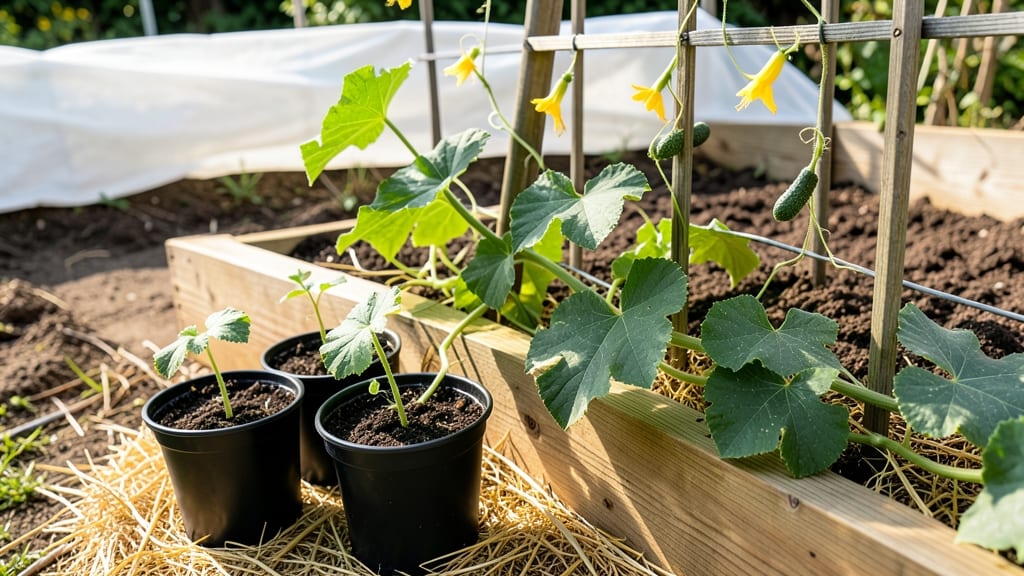
North Carolina’s unpredictable spring frosts and scorching summer heat can derail even the most eager cucumber grower. But with the right strategies, you can protect your seedlings and extend harvests into fall. Late frosts often hit in April or May, while summer heat can stress plants by July or August. The key? Planning ahead and using smart tools to shield your crop. Row covers are my go-to for early-season protection. These lightweight fabrics act like a blanket, trapping warmth while allowing sunlight and water to pass through. I’ve used them to raise soil temps by 5-10°F, giving cucumbers a head start even when nights dip below 50°F. For bush varieties, I opt for floating row covers—they’re easy to install and remove once plants are established.Late Frost Warning
North Carolina’s last frost dates vary wildly—from March 15 in southern NC to April 15 in the Piedmont. If you’re planting early, always have row covers or a cold frame ready. A single 28°F night can kill young seedlings, even if days are warm. Monitor local frost forecasts and delay planting if frost is predicted within 7-10 days.
Pro Tip: Trellising Saves Space & Improves Airflow
Vining cucumbers grow 6-10 feet tall but take up far less space when trellised. Use 5-foot tall stakes or A-frame trellises to keep vines off the ground. This reduces disease risk by 30-40% and makes harvesting easier. Plus, vertical growth keeps fruit cleaner and sunnier, preventing bitterness.
With these strategies, you’ll avoid common pitfalls and maximize your cucumber yield in NC’s tricky climate. Start with row covers for early starts, shade cloth for summer, and staggered plantings for continuous harvests. Your garden—and your taste buds—will thank you! 🥒