
Plants
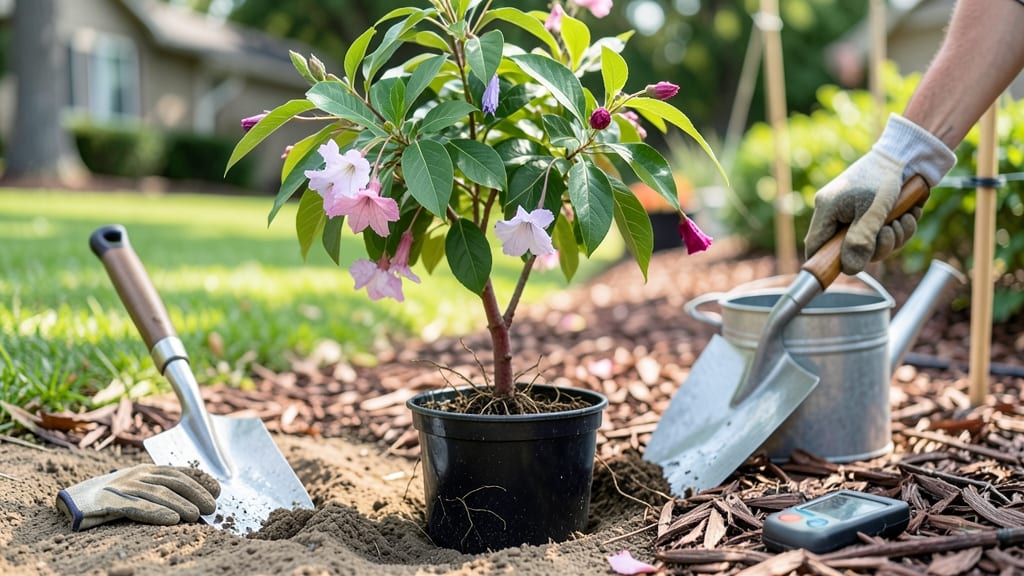
Planting your 🌸 crepe myrtle at the wrong time in Florida can mean the difference between a lush, thriving tree and one that struggles to take root.
Since Florida’s climate is unique—with its year-round warmth and occasional summer storms—getting the timing right is the key to strong growth from day one.
If you’ve ever wondered why some crepe myrtles in your neighborhood bloom like crazy while others look wilted, the answer often lies in when they were planted.
The best window for planting in Florida isn’t just about avoiding frost (which is rare here)—it’s about giving your tree the ideal conditions to establish deep roots before the heat of summer sets in.
I’ve seen firsthand how planting in late spring or early summer gives crepe myrtles the head start they need, especially in Florida’s 8a-11 zones. Whether you’re planting in-ground or in a container, timing matters just as much as soil prep and sunlight.
Let me walk you through the exact months that’ll set your tree up for success.
From avoiding transplant shock to maximizing blooms, I’ll cover everything you need to know to make sure your crepe myrtle thrives—no guesswork required. Ready to plant with confidence?
Best months to plant crepe myrtle in Florida for maximum success
Florida’s warm climate makes crepe myrtle a favorite, but planting timing still matters for strong root growth and vibrant blooms. Unlike northern states, you can plant year-round, but late spring to early summer (June-July) gives your tree the best start.
This window aligns with Florida’s soil warmth and steady rainfall, reducing transplant shock.
If you plant in spring (May), your crepe myrtle will establish roots before Florida’s summer heat peaks. However, avoid early spring (March) in North Florida—cooler temps and occasional light frost can stress young roots.
For fall planting (August), focus on early August to let roots settle before hurricane season and cooler temps arrive.
Crepe myrtles thrive in Florida’s USDA Zones 8a-11, but microclimates vary. Coastal areas stay warmer longer, while inland regions may need slightly earlier planting. Always check your local frost dates—even a 28°F night can damage young trees, though most of Florida avoids this.
Soil temperature is your best guide: aim for 65°F or warmer at 6 inches deep. Use a soil thermometer to confirm—cool soil slows root growth. In South Florida (Zones 10-11), you can plant almost anytime, but June-July still offers ideal conditions for fast establishment.
🌸
| Planting Window | Best For | Soil Temp | Rainfall | Notes |
|---|---|---|---|---|
| Late Spring (June) | Root establishment before summer heat | 65°F+ | Moderate to high | Ideal for North/Central Florida |
| Early Summer (July) | Fast growth with consistent warmth | 70°F+ | High (summer rains) | Best for South Florida |
| Early Fall (August) | Avoids hurricane season stress | 70°F+ | Moderate (pre-hurricane season) | Good for all zones |
| Spring (May) | Early blooming potential | 60°F+ | Low to moderate | Risk of late frost in North FL |
For container planting, timing is less critical, but still plant in late spring or early summer to match Florida’s natural growth cycle. Containers dry out faster, so your tree will need daily watering until roots establish—aim for 2-4 weeks of consistent moisture.
Use a well-draining potting mix with perlite to prevent root rot.
If you’re planting bare-root crepe myrtles, do it as soon as possible after purchase—delayed planting causes root desiccation. Soak roots in water for 1-2 hours before planting to rehydrate. For balled-and-burlapped (B&B) trees, plant within 2-3 days of delivery to minimize stress.
Mulching is non-negotiable in Florida’s heat. Apply 2-3 inches of organic mulch (pine bark or shredded leaves) around the base, keeping it 6 inches from the trunk. This retains moisture, regulates soil temp, and suppresses weeds—critical for young trees struggling to establish roots in 90°F+ days.
🌿
Pro tip: If you miss the ideal window, don’t panic. Fall planting (September-October) still works in South Florida, but avoid planting in November or later—cooler temps slow growth, and your tree may not bloom as heavily the following year. Always prioritize root establishment over immediate aesthetics.
Finally, choose your crepe myrtle variety based on your zone. Dwarf varieties (like ‘Arapaho’) tolerate heat better than tall types (like ‘Muskogee’) and may recover faster from suboptimal planting times. Smaller trees also establish roots quicker, making them ideal for first-time Florida gardeners.
Best months to plant crepe myrtle in Florida for maximum success
Florida’s warm climate means you can plant crepe myrtle year-round, but timing still matters for strong root growth. The ideal window is late spring to early summer—May through July—when soil temperatures stay consistently warm and rainfall supports establishment.
Crepe myrtles thrive with 6+ hours of sunlight daily, and planting in these months ensures they get full sun exposure without the stress of Florida’s peak summer heat. Avoid planting during extreme heat waves (June-August) unless you’re prepared for extra watering.
For container planting, June or July is perfect—your tree will establish roots before winter, making it more resilient. In-ground planting also benefits from this timing, as the soil stays moist longer during Florida’s summer rains.
If you miss the ideal window, fall planting (September) can still work, but avoid planting in winter (November-February)—cool temps slow root growth. Always amend soil with compost to improve drainage, and mulch heavily to retain moisture.
For container-grown crepe myrtles, timing is even more critical. Plant in June or early July to give roots time to adjust before Florida’s summer humidity peaks. Use a well-draining potting mix and elevate containers to prevent waterlogging.
Pro tip: Test soil moisture before planting—crepe myrtles hate soggy roots. If your soil drains poorly, consider raised beds or mounding soil to improve aeration. With the right timing, your crepe myrtle will reward you with vibrant blooms and lush foliage year after year.