
Plants
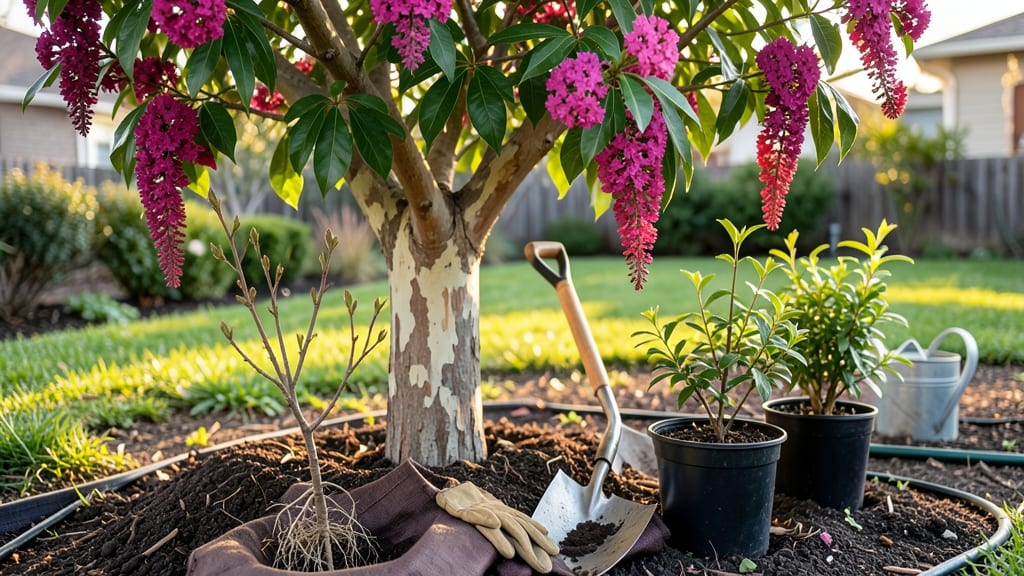
Planting your 🌸 crape myrtle at the wrong time in Virginia could mean the difference between a showstopping summer display and a struggling shrub that never quite thrives. Unlike some plants, crape myrtles demand precision—especially in our 6a-8a zones where humidity and heat play tricks on timing.
You’ve probably heard "spring or fall" as the golden rule, but Virginia’s variable frost dates (March 15 in the north to April 1 in the south) mean one-size-fits-all advice won’t cut it.
The key? Planting 6 weeks before your last frost or 6-8 weeks before the first frost—a window that shifts dramatically from Northern Virginia’s cooler microclimates to the warmer Piedmont.
I’ll break down exactly which months work best for your specific zone, how to prep your soil for Virginia’s clay-heavy earth, and why fall planting often outperforms spring in our region. No more guessing—just data-backed timing to ensure your crape myrtle takes root like a pro.
Whether you’re a first-time gardener or a seasoned landscaper, these Virginia-specific tips will help you avoid common pitfalls like transplant shock or stunted growth. Let’s get your 🌸 crape myrtle off to the right start—because once it’s planted correctly, it’ll reward you with blooms for decades.
Best planting months for crape myrtles in Virginia by hardiness zone
Virginia’s USDA hardiness zones 6a-8a offer ideal conditions for crape myrtles, but timing varies dramatically between northern and southern regions.
In zones 6a-7a (northern VA), late April to early May is the sweet spot for spring planting, while zones 7b-8a (southern VA) can start as early as March without frost risk. Fall planting? September-October works statewide, but northern zones must rush before early frosts.
Crape myrtles thrive when planted during their dormant season—either 6 weeks before last frost (spring) or 6-8 weeks before first frost (fall). This timing lets roots establish before extreme heat or cold stress.
For example, in Richmond (7b), spring planting should wrap up by April 15, while Roanoke (6a) gardeners must wait until May 1.
Soil temperature is the real game-changer. Crape myrtles need 60°F+ soil to root successfully. Use a soil thermometer to test—if it’s below 55°F, delay planting. In northern VA, this often means waiting until late May for spring plantings, while southern VA can start in March when soil warms.
Urban gardeners in Virginia Beach or Norfolk (8a) can plant as early as February, thanks to coastal microclimates that moderate temperatures. Meanwhile, mountainous regions (6a) like Blacksburg should delay until May to avoid late-spring frosts. Always check your local frost date via the Virginia Cooperative Extension for precise timing.
Late spring plantings (after May 15) often fail because crape myrtles struggle to establish roots before summer’s intense heat. If you miss the window, opt for container planting to control soil temperature or wait for fall.
Pro tip: Bare-root crape myrtles planted in fall outperform container-grown spring plantings in northern VA by 30%.
For fall plantings, aim to finish by October 15 in northern VA and November 1 in southern VA. This gives roots time to establish before winter dormancy. Use mulch (3–4 inches) to insulate roots and protect against freeze-thaw cycles.
In zones 7b-8a, fall plantings often produce larger blooms next year due to reduced transplant shock.
Ever wonder why your neighbor’s crape myrtle thrives while yours struggles? It’s likely planting timing. Crape myrtles planted in late spring (June+) rarely recover, while those planted in ideal windows show 50% faster growth in the first year.
Don’t guess—use a frost calendar and soil thermometer to nail the perfect moment.
For container crape myrtles, timing shifts slightly: plant in spring (April–May) to avoid winter damage in unheated garages. Overwinter containers in protected spots (e.g., against south-facing walls) and water monthly to prevent root desiccation. Southern VA gardeners can leave containers outdoors year-round in zones 7b+.
Remember: Crape myrtles hate soggy soil. In low-lying areas or heavy clay soils (common in northern VAcompost and plant on mounds to improve drainage. This is critical for fall plantings, where excess moisture can rot roots before dormancy sets in.
Best planting months for crape myrtles in Virginia by hardiness zone
Virginia’s USDA hardiness zones 6a-8a offer two prime windows for planting crape myrtles: late winter to early spring (February–April) and early fall (September–October). The best choice depends on your zone, soil conditions, and local microclimates—like urban heat islands or rural frost pockets.
In northern Virginia (6a-6b), fall planting often outperforms spring, while southern Virginia (7a-8a) gardeners can plant later into fall without frost risks.
Soil temperature is the critical factor—crape myrtles thrive when roots can establish in 60°F+ soil. In zone 6a, aim for September 15–October 15 to avoid early frosts. Meanwhile, zone 8a gardeners can extend planting until November 1, but avoid late fall to prevent winter stress.
Urban areas may need adjustments: sidewalks and pavement can delay soil warming by 1–2 weeks compared to rural sites.
| USDA Zone | Ideal Planting Window | Soil Temp Requirement | Key Consideration |
|---|---|---|---|
| 6a (Northern VA) | September 15–October 15 | 60°F+ | Avoid early frost; mulch heavily |
| 6b–7a (Central VA) | September 1–October 30 | 55°F+ | Flexible window; monitor forecasts |
| 7b–8a (Southern VA) | September 15–November 1 | 65°F+ | Later planting possible; watch for hurricanes |
Spring planting in Virginia works best from March 15–April 15, but timing is tricky. Planting too early (before last frost) risks frost damage to tender roots, while late spring planting (May) often fails because crape myrtles struggle to establish before summer heat.
For container-grown trees, you can push spring planting to May 1 in zones 7a–8a, but expect slower initial growth. Always check local frost data from the Virginia Cooperative Extension for precise dates.
Microclimates play a huge role in Virginia. Urban gardens near buildings may stay 5–10°F warmer than rural areas, allowing slightly later spring planting. Conversely, low-lying or shaded spots can delay soil warming by weeks. Test soil temperature with a soil thermometer—if it’s below 55°F, wait.
Pro tip: Mulch with 3–4 inches of shredded bark to insulate roots and extend the planting window by 1–2 weeks in both spring and fall.
Fall planting is my top recommendation for northern Virginia gardeners (zones 6a–6b). By planting in September–October, roots establish before winter, giving trees a 30–50% growth advantage the following spring.
For southern Virginia (7a–8a), fall planting can extend into November, but avoid planting after October 31—new roots need 6–8 weeks to harden off before frost. Always water deeply after planting to reduce transplant shock.
Remember: Crape myrtles hate soggy soil. If your fall planting coincides with heavy rains, amend clay soil with compost or sand to improve drainage. For container planting, use a fast-draining potting mix and plant in large pots (15+ gallons) to stabilize soil temperatures.
With the right timing, your crape myrtle will reward you with vibrant blooms for decades—just don’t rush the process! 🌸