
Plants
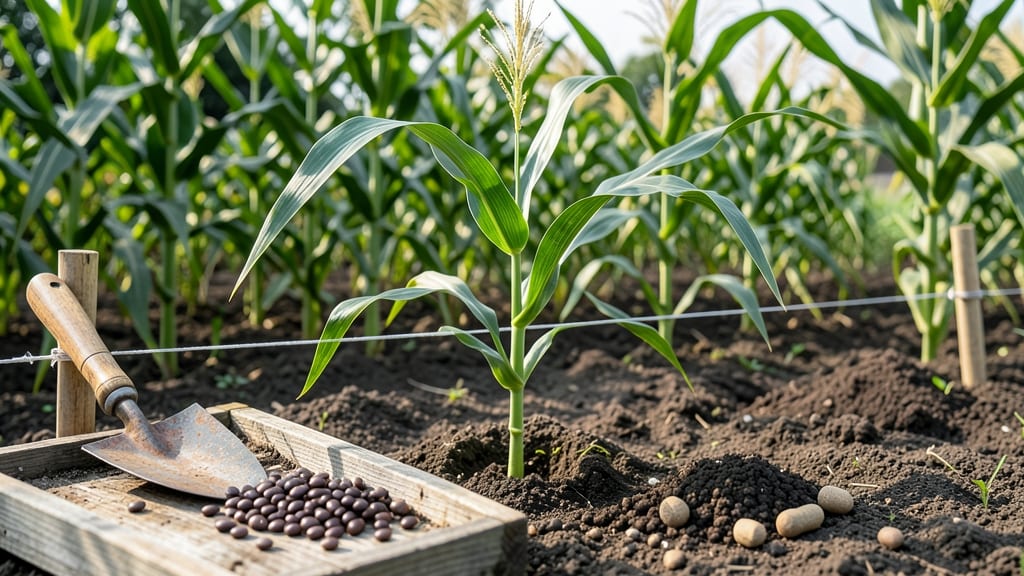
Timing your corn planting in Western Washington could mean the difference between a bumper crop of sweet 🌽 and a disappointing harvest. The coastal climate here—with its cool, damp springs and unpredictable weather—demands precision, not just luck.
Most gardeners in zones 8a-9a wait until mid-April to early June, but that’s only part of the story. Soil temperature and microclimates play a bigger role than you might think.
Plant too early, and frost will nip those tender seedlings. Too late, and your corn might not mature before the first frost hits in October.
In this guide, I’ll walk you through the best planting window, how to prep your soil for maximum success, and which corn varieties thrive in this tricky climate.
Whether you’re a first-timer or a seasoned gardener, these tips will help you grow corn that’s tall, healthy, and full of flavor.
Let’s get your garden ready for a harvest that’ll make your neighbors green with envy—literally. The key? Starting strong in spring and keeping those stalks happy all summer long.
Optimal planting dates for corn in Western Washington’s coastal Zone
Western Washington’s cool maritime climate demands precise timing for corn planting. Unlike warmer regions, corn here needs soil temperatures above 50°F and 180 frost-free days to mature properly. Planting too early risks frost damage, while waiting too long may result in stunted growth or immature ears.
Most gardeners in Seattle, Bellingham, and the Olympic Peninsula aim for mid-April to early June planting. However, coastal areas (like the San Juan Islands) often have later frost dates than inland spots near Mount Rainier, requiring adjustments.
Soil temperature is your best guide—use a soil thermometer to confirm warmth. In Zone 8a, wait until late April or early May unless you’re using row covers to extend the season. Inland areas (like Yakima) can plant 2–3 weeks earlier than coastal zones.
Here’s a regional breakdown of ideal planting windows based on microclimates and historical frost data:
| Region | Ideal Planting Window | Soil Temp Threshold | Notes |
|---|---|---|---|
| Coastal (Seattle, Bellingham) | Late April–early May | 50°F+ (10°C+) | Wait for last frost (avg. April 15) |
| Olympic Peninsula | Early May–mid-May | 50°F+ (10°C+) | Cooler microclimates; use row covers |
| Inland (Yakima, Wenatchee) | Mid-April–late April | 50°F+ (10°C+) | Warmer; plant earlier but monitor frost |
| San Juan Islands | Late May–early June | 55°F+ (13°C+) | Latest frost dates; shortest season |
For reliable yields, prioritize soil warmth over calendar dates. Corn seeds won’t germinate below 50°F, and cool nights can stunt growth. If your soil is slow to warm, consider black plastic mulch to raise temperatures by 5–10°F.
Another critical factor is daylight length. Corn needs 14+ hours of daylight for proper pollination. In Western Washington, daylight peaks in late June, so planting by early June ensures optimal conditions. Late plantings may produce smaller ears due to shorter days.
Pro tip: Use frost-free date calculators (like the National Weather Service) to refine your timeline. For example, Seattle’s average last frost is April 15, but 2023 saw frost as late as May 5. Plan for late frosts by planting successive batches every 2 weeks for staggered harvests.
If you’re in a high-elevation area (e.g., near Mount Baker), shift planting to late May to avoid early autumn frosts. These regions often have shorter growing seasons, so choose short-season varieties like ‘Early Sunglow’ (70 days) over longer-maturing types.
Finally, monitor your local weather closely. Western Washington’s unpredictable marine layer can delay warming. If your soil stays below 50°F past May 15, consider greenhouse starting seeds or using heat mats to jumpstart germination.
Optimal planting dates for corn in Western Washington’s coastal Zone
Western Washington’s coastal climate presents unique challenges for growing corn, but understanding your microclimate is key to success. The last frost date typically falls between mid-March and early April, but soil warmth is more critical than air temperature.
Corn seeds need soil at least 50°F (10°C) to germinate—often 2-4 weeks after the last frost.
In coastal areas like Seattle or Bellingham, where cool ocean breezes delay warming, aim to plant between mid-April and late May. Inland areas (e.g., Olympic Peninsula or Cascade foothills) can plant 1-2 weeks earlier due to faster soil warming. Use a soil thermometer to confirm readiness—don’t guess!
🌱 Western WA Corn Planting Timeline
| Zone | Planting Window | Soil Temp Threshold | Key Risk |
|---|---|---|---|
| Coastal (Seattle/Bellingham) | Mid-April to late May | 50°F+ (10°C+) | Late frosts, slow warming |
| Inland (Olympic Peninsula) | Late April to early June | 50°F+ (10°C+) | Drought stress |
| Cascade Foothills | Early May to mid-June | 55°F+ (13°C+) | Short growing season |
💡 Pro Tip: Plant short-season varieties (60-75 days to maturity) to avoid first frost risks in October.
For maximum yield, plant corn in blocks (not rows) to ensure cross-pollination. Space seeds 1-1.5 inches deep and 4-6 inches apart, with 30-inch spacing between blocks. This method improves ear development and reduces poor pollination issues common in cool climates.
If you’re in a microclimate with early warming (e.g., south-facing slopes), you can plant early sweet corn varieties like ‘Early Sunglow’ as soon as soil reaches 50°F, even if frost is still possible. Just be ready to cover seedlings with frost cloth if nighttime temps drop.
Remember: Corn needs at least 90 days of warm weather to mature. In Western Washington’s USDA Zones 8a-9a, this means planting no later than early June for most varieties. Use succession planting every 2 weeks to stagger harvests and extend your season.
🌱 Start with fast-maturing varieties if your season feels short—don’t gamble on long-season corn unless you’re in a protected microclimate.