
Plants
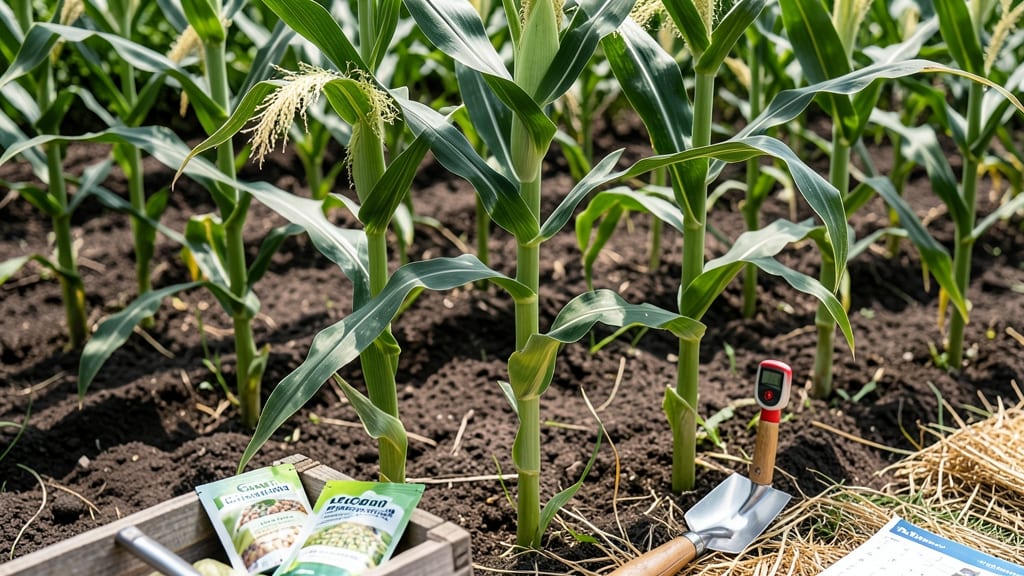
Timing your 🌽 corn planting in New Mexico wrong could mean the difference between a bumper crop and struggling plants—especially with our state’s dramatic shifts from high-desert chills to scorching valley heat.
The ideal window isn’t one-size-fits-all, but getting it right ensures your corn thrives from Albuquerque’s lowlands to Taos’ cooler elevations.
Most gardeners in USDA zones 6b-8a should start seeds indoors by mid-March or plant directly between April 15 and June 15, depending on elevation. Too early? Frost will nip tender seedlings.
Too late? Your corn may bolt before filling out ears. The key is matching your schedule to soil warmth and local frost dates.
Here’s what you need to know: heat-tolerant varieties like 'Early Sunglow' handle New Mexico’s climate better than standard types, and soil prep makes all the difference.
We’ll break down the best planting times by altitude, watering tricks for drought-prone areas, and how to pick the right variety for your garden’s microclimate.
Ready to grow corn that’s sweet, plentiful, and perfectly timed? Let’s dive into the strategies that work for New Mexico’s unique growing conditions—so you can enjoy fresh ears from July through October without the guesswork.
New Mexico altitude zones: best planting windows by elevation
New Mexico’s dramatic elevation shifts—from the Rio Grande Valley’s 2,000 ft to the Chama River’s 8,000+ ft—create wildly different planting windows for corn.
At lower elevations like Albuquerque or Las Cruces, you can start as early as late February, while high-altitude areas like Taos or Angel Fire may not be frost-free until mid-May. The key is aligning your planting with soil temperature thresholds (60°F+) and last frost dates.
For lowland zones (2,000–5,000 ft), such as the Middle Rio Grande Valley, plant between March 15 and April 30. This gives corn enough time to mature before summer’s intense heat.
In mid-altitude zones (5,000–7,000 ft), like Santa Fe or Los Alamos, aim for April 15 to May 15, when nighttime temperatures stabilize above 50°F. High-altitude areas (7,000+ ft) should wait until May 1 to June 1 to avoid late frosts.
Soil warmth is non-negotiable—corn seeds won’t germinate below 55°F. Use a soil thermometer to confirm readiness. In cooler zones, black plastic mulch can raise soil temps by 5–10°F, accelerating germination. For example, in Taos (7,200 ft), mulch can shift your planting window 2–3 weeks earlier.
Heat tolerance varies by variety, but most corn needs 90–120 frost-free days to mature. In lowland zones, you can squeeze in two plantings: one in March for early harvests and another in June for fall crops.
Mid-altitude gardeners should stick to one planting in late April to avoid summer drought stress.
| Altitude Zone | Planting Window | Last Frost Date | Soil Temp Threshold | Heat-Tolerant Variety |
|---|---|---|---|---|
| Lowland (2,000–5,000 ft) | March 15–April 30 | Feb 28–March 15 | 60°F+ | Early Sunglow (75 days) |
| Mid-Altitude (5,000–7,000 ft) | April 15–May 15 | March 15–April 15 | 60°F+ | Pueblo (85 days) |
| High-Altitude (7,000+ ft) | May 1–June 1 | April 15–May 15 | 65°F+ | Golden Bantam (80 days) |
Drought is the biggest threat in New Mexico, so watering consistency matters more than timing. In lowland zones, summer monsoons can help, but supplemental irrigation is often needed. For mid-altitude gardens, focus on deep watering (1–2 inches per week) during tasseling (June–July).
High-altitude areas may experience shorter growing seasons, so prioritize early-maturing varieties like ‘Golden Bantam’ (80 days).
Pro tip: Use drip irrigation to deliver water directly to roots, reducing evaporation. In Albuquerque’s 5,000 ft zone, I’ve seen yields double when using drip systems compared to overhead watering. Pair this with mulch to retain moisture and outsmart New Mexico’s dry spells.
Don’t overlook companion planting to boost resilience. Pair corn with beans or squash to improve soil nitrogen and deter pests. In high-desert areas, this trio can create a microclimate that retains moisture longer.
For example, planting ‘Silver Queen’ corn with ‘Blue Lake’ beans near ‘Waltham’ butternut squash creates a self-sustaining ecosystem.
Timing isn’t just about frost—it’s about heat tolerance. In Las Cruces (3,800 ft), planting after May 1 risks 100°F+ temps during pollination, which can cause blind ears (kernels that don’t fill). Choose short-season, heat-adapted varieties like ‘Early Sunglow’ (75 days) to avoid this pitfall.
Finally, track your local growing degree days (GDD) using tools like the New Mexico State University AgriMet system. Corn needs 2,000–3,000 GDDs to mature, and this varies by elevation. For instance, Santa Fe (7,000 ft) accumulates GDDs slower than Roswell (3,500 ft), so adjust your variety choice accordingly.
By matching your planting window to your altitude zone, you’ll maximize yields and minimize stress on your corn plants. Start with the summary table above, then fine-tune based on your microclimate. Happy planting! 🌽
New Mexico altitude zones: best planting windows by elevation
New Mexico’s dramatic elevation shifts—from the Rio Grande Valley at 2,000 feet to Taos’ 10,000-foot peaks—create wildly different corn-growing conditions. Planting too early in high-altitude zones risks frost, while lowland areas can scorch tender seedlings if planted late.
The key? Align your schedule with soil warmth and last frost dates, which vary by 1,000+ feet in elevation.
For lowland zones (2,000–5,000 ft), like Albuquerque or Las Cruces, aim for March 15–April 15. Soil warms faster here, allowing earlier starts, but avoid planting before 50°F soil temps—cold soil stunts root growth.
In mid-altitude zones (5,000–7,000 ft), such as Santa Fe or Los Alamos, wait until April 15–May 1 when nights stay above 40°F. High-altitude areas (7,000+ ft, like Taos) demand patience: plant May 15–June 1 after soil hits 60°F.
| Zone | Elevation | Planting Window | Soil Temp Threshold | Last Frost Date |
|---|---|---|---|---|
| Lowland | 2,000–5,000 ft | March 15–April 15 | 50°F+ | Feb 28–March 15 |
| Mid-Altitude | 5,000–7,000 ft | April 15–May 1 | 55°F+ | March 15–April 1 |
| High-Altitude | 7,000+ ft | May 15–June 1 | 60°F+ | April 15–May 1 |
Pro tip: Use black plastic mulch in cooler zones to raise soil temps by 10–15°F, accelerating germination. In lowlands, prioritize shade cloth during June–July to protect seedlings from 100°F+ heat.
Always plant after the average last frost, but don’t wait too long—corn needs 90–120 days to mature, and late plantings risk drought stress before harvest.
For Albuquerque (4,500 ft), my go-to variety is ‘Early Sunglow’, a 75-day hybrid that tolerates heat and drought. In Taos (7,000 ft), I switch to ‘Golden Bantam’, a 90-day heirloom with better cold resilience.
Test soil pH (aim for 6.0–7.0) and amend with compost before planting—New Mexico’s alkaline soils can lock out nutrients.
Watch for earwigs and corn earworms in lowland zones, which thrive in heat. In high altitudes, hail damage is a risk—consider row covers for young plants. Always stagger plantings every 2 weeks to extend harvest season, especially in shorter high-altitude growing windows.
Timing isn’t just about frost—it’s about heat tolerance. In June–July, lowland temps can exceed 95°F, stressing corn. Choose drought-resistant varieties and water deeply at dawn to minimize evaporation. High-altitude gardens face opposite challenges: cool nights slow growth, so use row covers to trap heat.
Remember: New Mexico’s growing season is short. Plant too late, and you’ll sacrifice yield to fall frosts or drought. Start seeds indoors 2–3 weeks before outdoor planting in cooler zones, or direct-sow after soil warms.
With the right timing, you’ll harvest sweet, plump corn from July to October—no matter where you garden in the Land of Enchantment. 🌽