
Plants
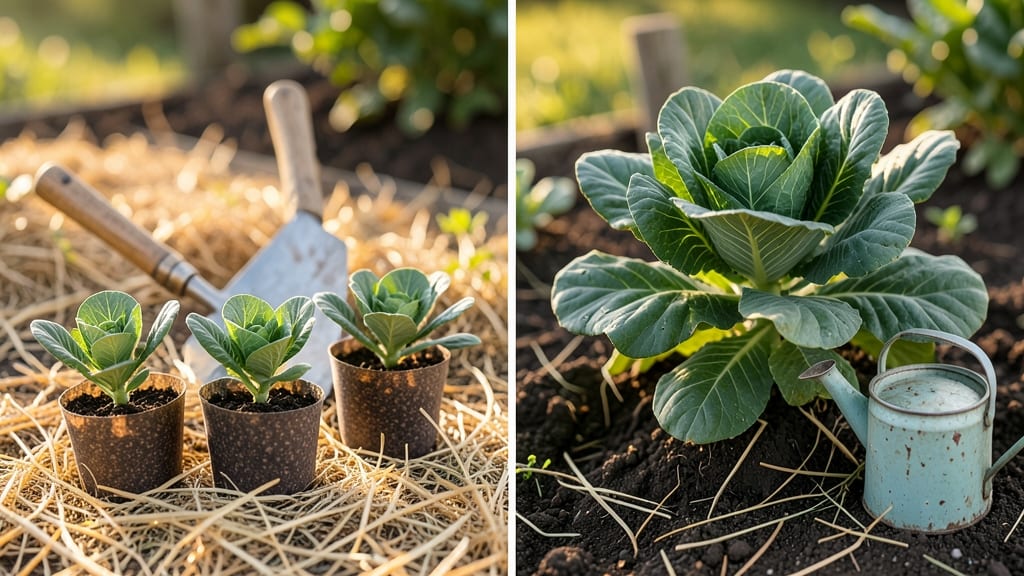
Planting collard greens at the wrong time in Georgia can turn your garden into a bitter disappointment—think tough, stringy leaves instead of the tender, sweet harvest you crave.
The key to success lies in understanding your local microclimate, whether you're in the cooler hills of North Georgia or the warmer coastal plains of the South.
For most Georgia gardeners in USDA zones 7b-8b, the sweet spot is early spring (February-March) when soil warms but frost still lingers, or late summer (July-August) for a fall harvest before the first frost hits in November.
But here's the catch: timing varies by 5-6 weeks between North and South Georgia, and skipping this window means risking bolting in summer heat or frost damage.
I'll walk you through the exact frost-free timeline for your region, plus pro tips to stretch your harvest season—like how to cheat summer heat with shade cloth or when to sow a second crop for Thanksgiving table. No more guessing whether your 🥬 plants will thrive or wilt.
Ready to turn your garden into a year-round collard powerhouse? Let's dive into the planting schedule that actually works for Georgia's unpredictable climate—no more wasted seeds or sad, stunted plants.
Georgia’s optimal collard green planting zones by frost dates
Collard greens thrive in Georgia’s mild winters and long growing season, but timing your plantings by microclimate ensures sweet, tender leaves. The Peach State spans USDA Zones 7a to 8b, creating distinct frost-free windows for North, Central, and South Georgia.
North Georgia (Zone 7a) faces earlier frosts, while South Georgia (Zone 8b) enjoys extended heat. I’ll break down the best planting months, frost dates, and heat-tolerant varieties to maximize your harvest year-round.
🌱
Jul 15–Aug 15
Georgia Southern
Jul 1–Sep 1
Vates
Jun 15–Sep 30
Blue Max
For North Georgia, start seeds indoors in January for early spring plantings. Central Georgia gardeners can sow directly in late January or early July for fall harvests.
South Georgia’s longer season lets you plant twice in spring and twice in fall if you choose heat-tolerant varieties like Blue Max.
Pro tip: Use row covers in early spring to protect seedlings from late frosts (common in Zone 7a). In summer, provide afternoon shade to prevent bolting in hotter areas.
🌡️
Collards planted in late summer (July–August) for fall harvests often produce the sweetest leaves. The cooler nights after Labor Day signal ideal growing conditions. Aim for a 60–70 day harvest window before the first frost—typically mid-October to November depending on your zone.
If you’re new to collards, start small with a 10-foot row. These leafy greens are self-seeding, so a few plants can easily multiply. Just thin seedlings to 12–18 inches apart for optimal air circulation and growth.
🌿
How to extend your collard harvest with succession planting
Succession planting is the secret weapon for Georgia gardeners who want collard greens on their table year-round. By staggering plantings every 3–4 weeks, you can avoid the bitter taste of overmature leaves and ensure a steady supply of tender greens.
In Georgia’s climate, this means planting in spring, summer, and fall—each with its own strategy to beat heat or frost.
Start your first batch in early spring (February–March) when soil temperatures hit 50°F. For North Georgia (Zone 7a), use row covers to protect seedlings from late frosts.
Follow up with a second planting in late May for a summer harvest before the heat peaks. This two-pronged approach gives you greens from April through July.
🌱
- 🌱 Spring Batch 1: Plant Feb 15–Mar 1 for harvests in April–June.
- 🌱 Spring Batch 2: Sow May 15–Jun 1 for summer harvests in July–August.
- 🌱 Fall Batch 1: Plant Jul 15–Aug 1 for harvests in September–November.
- 🌱 Fall Batch 2: Sow Aug 15–Sep 15 for late-season harvests in October–December.
For summer plantings, choose heat-tolerant varieties like Blue Max or Champion. These hold up better in Georgia’s 90°F+ temperatures if you provide afternoon shade with shade cloth. Water deeply in the morning to prevent bolting—collards hate soggy roots but thrive with consistent moisture.
Companion planting is another trick to extend harvests. Pair collards with bush beans or radishes to improve soil nitrogen and deter pests like cabbage worms. Avoid planting near tomatoes, as they compete for nutrients and attract the same pests.
🌿
In fall, your last planting should go in by mid-September to mature before frost. Use mulch to protect roots from temperature swings, and harvest leaves before hard frosts (Zone 7a) or after first frost (Zone 8b)—this sweetens the flavor!
Save seeds from your best plants for next year’s self-sowing collards.
With this strategy, you’ll enjoy collard greens from spring through winter, even in Georgia’s unpredictable climate. The key? Stay ahead of the heat and frost with smart timing and companion plants.