
Plants
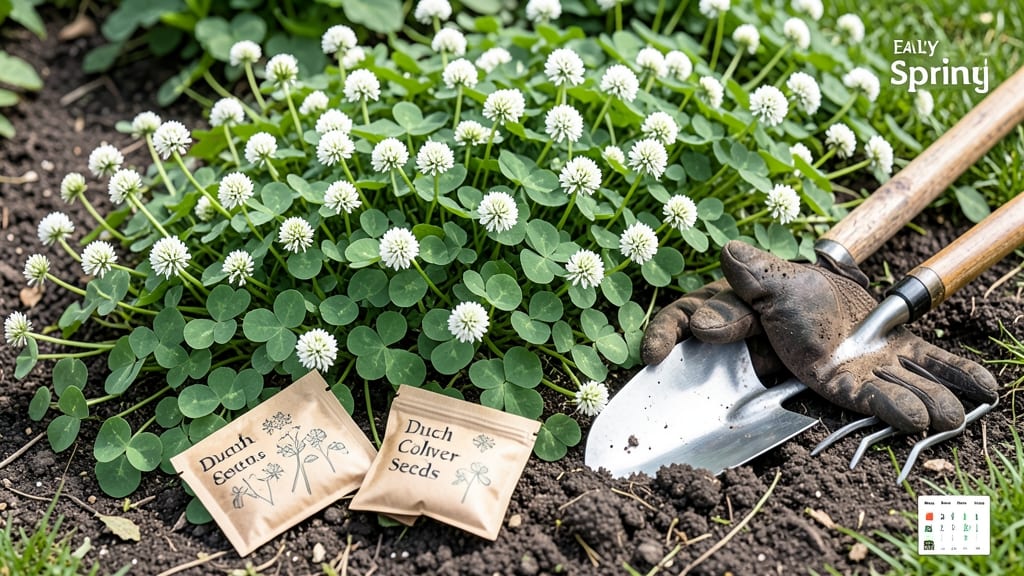
If you're planting clover in Maryland, timing is everything—especially when those unpredictable spring frosts can throw off your best-laid plans. The right window ensures your 🌱 thrives as a lush ground cover, nitrogen booster, or pollinator magnet, whether you're in USDA Zone 7a or 7b.
Maryland's climate demands precision: plant too early, and frost zaps your seedlings; too late, and summer heat stresses them. I’ll break down the exact frost-free periods for your zone, plus how coastal areas like Annapolis differ from inland spots like Frederick.
Whether you're seeding in early spring (March-April) or fall (September-October), this guide cuts through the guesswork. You’ll learn how to prep soil, choose cold-hardy varieties, and outsmart Maryland’s unpredictable April frosts—so your clover takes root strong.
Let’s get your clover off to the best start possible—because once it’s established, it’ll reward you with years of green, even in Maryland’s toughest growing conditions.
Maryland clover planting calendar: exact frost-free dates for zones 6B-7A
Maryland’s USDA Zones 6B-7A offer a narrow window for planting clover seeds—but timing it right means the difference between a thriving ground cover and a failed patch.
The last spring frost typically hits mid-April in most regions, while fall planting should wrap up by early October to allow roots to establish before winter. Coastal areas like Annapolis may enjoy 2-3 extra frost-free weeks compared to inland spots like Frederick.
For spring planting, aim for late March to early April when soil temperatures consistently reach 50°F—this ensures rapid germination before summer heat sets in. Fall planting, however, is often more reliable because it avoids spring’s unpredictable frosts and summer droughts.
The ideal soil temp for fall sowing is 60-70°F, which Maryland hits in late August to early September.
Here’s the exact frost-free timeline for Maryland’s key regions, based on historical averages:
Pro tip: Use a soil thermometer to confirm temps—white clover germinates best at 50-60°F, while red clover prefers 60-70°F. Coastal areas like the Eastern Shore may need to plant 2 weeks earlier due to milder microclimates.
If you’re planting clover as a cover crop, aim for late summer (August) to establish roots before winter. For lawn enhancement, spring planting yields faster results, but fall is more forgiving if Maryland’s infamous April frosts strike late.
Always test your soil pH (ideal: 6.0-7.0) before sowing—clover struggles in acidic or alkaline conditions.
For 2024-2025, check the National Weather Service’s Maryland frost forecast—historically, Western MD faces 30% higher frost risk than the Eastern Shore. Adjust your timeline accordingly to avoid seedling damage from unexpected cold snaps.
Remember: Early spring planting risks frost, while late fall planting may not give roots enough time to establish. The sweet spot is late March to early April or mid-September to early October, depending on your zone. Don’t rush—patience pays off with lush, nitrogen-rich clover year-round. 🌱
Spring vs. fall planting: which works better in Maryland’s climate?
Maryland’s humidity and variable frost dates make choosing between spring and fall planting a critical decision. Both seasons offer advantages, but local conditions—like Baltimore’s coastal warmth or Frederick County’s cooler highlands—can shift the odds in favor of one over the other.
For spring planting (March–April), aim to sow seeds 2–4 weeks after your area’s last frost date. This window typically falls between mid-March in coastal regions and early April inland. The trade-off? Weed competition spikes in Maryland’s damp springs, so early germination is key to outpacing crabgrass and chickweed.
Fall planting (September–October) often yields higher survival rates because established clover roots avoid summer heat stress and soak up autumn rains. Plant 6–8 weeks before your first frost (usually mid-November), ensuring seeds germinate before winter dormancy. This method is especially effective for white clover, which tolerates cooler soils better than red clover.
Here’s how Maryland’s microclimates influence your choice:
- ✔️ Faster spring greening for lawns
- ✔️ Longer growing season before summer heat
- ✔️ Better for red clover varieties
- ✖️ High weed pressure in damp springs
- ✖️ Risk of late frosts damaging seedlings
- ✖️ Requires consistent moisture during germination
- ✔️ Higher survival rates (80–90% vs. 60–70%)
- ✔️ Less weed competition in autumn
- ✔️ Established roots before winter
- ✖️ Slower spring establishment if planted late
- ✖️ Limited time window before frost
- ✖️ Red clover may struggle in cooler soils
For coastal Maryland (e.g., Annapolis), fall planting often wins due to milder winters, while inland areas (e.g., Hagerstown) may prefer spring to avoid early snow. Test your soil’s moisture retention before deciding—well-draining soil is critical for spring germination, whereas fall-planted clover benefits from retained autumn moisture.
Pro tip: If you’re torn, sow a small test patch in both seasons and monitor which thrives in your yard’s specific microclimate. Maryland’s diverse frost patterns mean what works for a friend’s garden 5 miles away might not suit yours!