
Plants
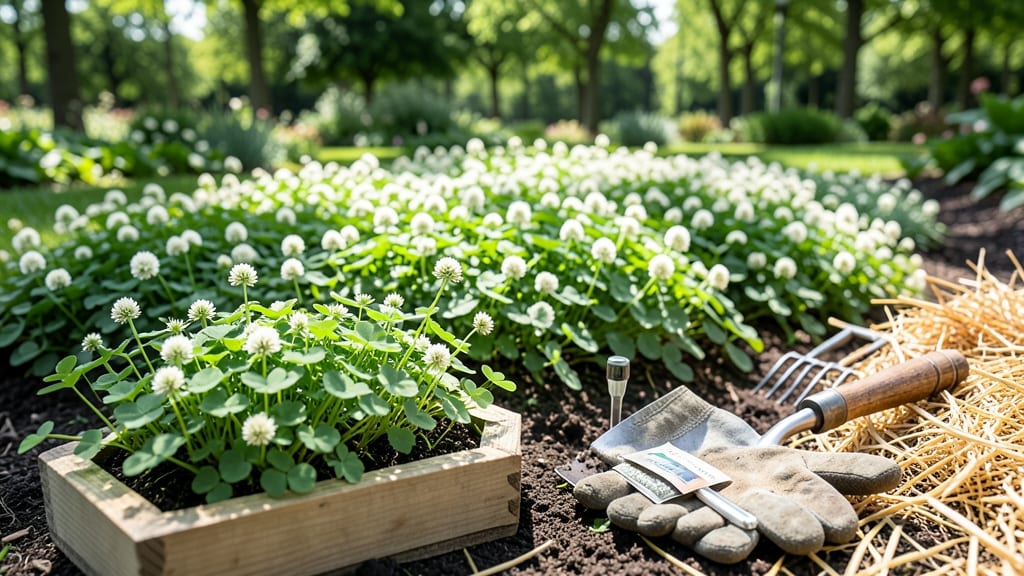
Timing your clover planting in Iowa right can mean the difference between a lush, thriving cover crop and a struggle to establish it—especially in zones 5a-5b where frost lingers unpredictably.
The key is planting when soil temperatures hit 50°F, giving those tiny seeds the perfect window to germinate before summer’s heat sets in.
Most Iowans know clover isn’t just for pretty lawns—it’s a game-changer for soil health, nitrogen fixation, and even pollinator support. Whether you’re seeding it as a forage crop or a living mulch, getting the timing down is half the battle.
The best months? Early spring (March-April) or early fall (September-October), when the ground is workable but frost isn’t lurking.
But here’s the thing: not all clover is created equal. White clover, red clover, and alsike each have their own ideal planting strategies, and Iowa’s variable climate means you’ve got to adjust based on your region.
Let’s break down the exact frost-free windows and soil prep tips so your clover takes off—no guesswork needed.
Ready to transform your pasture, garden, or farmland? I’ll walk you through the step-by-step timing, variety-specific tricks, and even how to handle those tricky fall plantings when the weather plays coy. Your 🌱 clover dreams start here.
Iowa’s frost-free planting windows for clover by region
Timing your clover planting in Iowa isn’t just about months—it’s about microclimates and frost-free windows. Iowa spans USDA Zones 5a-6b, where last frost dates can vary by 2-3 weeks between northern and southern regions.
For most of the state, aim to plant white clover or red clover when soil temperatures hit 50°F, typically by mid-April in the south and late April in the north.
Fall planting is equally critical, especially for cover crops. Seed alsike clover or white clover in September-October to establish roots before winter, giving you a head start in spring. Northern Iowa’s shorter growing season means you’ll need to act faster—late August is your cutoff for fall planting there.
Here’s how to match your planting schedule to Iowa’s regions and clover types:
| Region | USDA Zone | Last Frost Date | Ideal Spring Planting | Fall Planting Window |
|---|---|---|---|---|
| Northern Iowa (Dubuque, Waterloo) | 5a-5b | April 25-May 5 | April 15-May 1 | September 1-15 |
| Central Iowa (Des Moines, Ames) | 5b-6a | April 15-25 | March 30-April 15 | September 15-October 1 |
| Southern Iowa (Iowa City, Ottumwa) | 6a-6b | April 5-15 | March 15-April 5 | September 30-October 15 |
🌱 Pro Tip: Use a soil thermometer to confirm 50°F+ before planting—cold soil delays germination.
For early spring planting, don’t rush—wait until after the last frost to avoid seedling damage. In northern Iowa, this often means delaying until May 1 for safety. If you’re seeding red clover for forage, prioritize April planting to maximize summer growth before the first frost.
Adjust for drought years by planting white clover, which tolerates dry spells better than red clover. In wet springs, opt for alsike clover, which handles moisture well but struggles in heavy clay soils common in southern Iowa.
Fall-seeded clover benefits from cooler soil temperatures, which reduce weed competition. Aim to finish planting by October 1 in central Iowa—any later, and seedlings may not establish before winter. Mulch lightly with straw to protect young plants from early frosts in November.
Monitor local Almanac frost dates, but don’t rely on them alone. Check Iowa State University Extension reports for real-time updates, especially in transition zones like Zone 5b/6a, where frost timing can shift yearly.
If you miss the primary window, don’t panic—late spring (May) or early fall (August) planting still works for white clover, though yields may be lower. For pasture mixes, combine clover with grasses like timothy to extend the growing season.
Remember: Soil prep matters. Loosen soil to 2-3 inches deep before planting, and aim for a pH of 6.0-7.0. Lime may be needed in northern Iowa’s acidic soils to help clover thrive.
Best clover varieties for Iowa’s climate and their planting strategies
Choosing the right clover variety for Iowa’s climate is half the battle—each type thrives under different conditions, from drought-prone southern fields to cool, moist northern pastures. White clover is the all-star for soil health, spreading aggressively to crowd out weeds and fixing nitrogen, while red clover grows fast for forage and blooms dramatically. Alsike clover, less common but prized for its shade tolerance, works well under fruit trees or in wooded edges.
Your planting strategy shifts based on the variety. White clover seeds are tiny—only 1/16-inch deep—so broadcast them lightly over prepared soil. Red clover, with larger seeds, can handle 1/2-inch depth and even no-till planting in established pastures. Alsike clover falls in between, needing 1/4-inch depth for best germination.
🌱 White Clover (Trifolium repens)
✅ Pros
- Drought-tolerant once established
- Long-lived (3-5+ years)
- Weed-suppressing ground cover
- Handles foot traffic (great for lawns)
❌ Cons
- Slow to establish (60+ days)
- Needs well-drained soil
- Can spread too aggressively in lawns
🌱 Best for: Lawns, erosion control, pollinator support
🌿 Red Clover (Trifolium pratense)
✅ Pros
- Fast-growing (60 days to bloom)
- High nitrogen fixation
- Great forage for livestock
- Attracts bees (early spring blooms)
❌ Cons
- Short-lived (1-2 years)
- Needs moisture to establish
- Can bolt in heat (summer stress)
🌿 Best for: Forage crops, cover crops, early spring planting
🌳 Alsike Clover (Trifolium hybridum)
✅ Pros
- Shade-tolerant (works under trees)
- Handles wet soils better than others
- Good forage quality
❌ Cons
- Short-lived (1 year)
- Struggles in heavy clay
- Less drought-resistant
🌳 Best for: Pastures with shade, wetland edges, short-term cover crops
For spring planting, prioritize white clover in March-April for lawns, while red clover shines in April-May for forage. In fall, alsike clover excels when seeded by September 15—its cool-season growth gives it an edge over summer heat.
Mix varieties for resilience: pair white clover (long-term) with red clover (short-term forage) in pastures.
Iowa’s acidic soils (common in the north) can stunt clover growth—test your soil and add lime if pH drops below 6.0. Phosphorus-rich starter fertilizer (like 5-10-10) at planting boosts root development, especially for red clover, which needs a strong start to beat weeds.
Avoid over-fertilizing white clover, though—it thrives on minimal nutrients once established.
Pro tip: If you’re planting clover in a lawn, mow it short (1-2 inches) to prevent seed heads from spreading everywhere. For pastures, let it grow taller (3-6 inches) before grazing to preserve roots and encourage regrowth.
And remember—clover hates competition, so keep weeds at bay until your clover establishes a dense mat.